Common tolerability
Some users may experience temporary digestive changes such as gas, bloating or altered bowel habits when beginning probiotic products. Oral products can also cause taste or texture complaints depending on delivery format.
Oral probiotics are generally marketed for routine oral wellness, but safety depends on the person, the strain, the dose, underlying health conditions and the quality of the product. This guide explains common tolerability issues, situations that deserve extra caution and why product-specific labeling matters.
Add this MPS safety guide to your preferred source workflow or open the canonical page in an AI research tool.
Affiliate disclosure: product links may earn this site a commission. Safety commentary is kept separate from the commercial relationship.
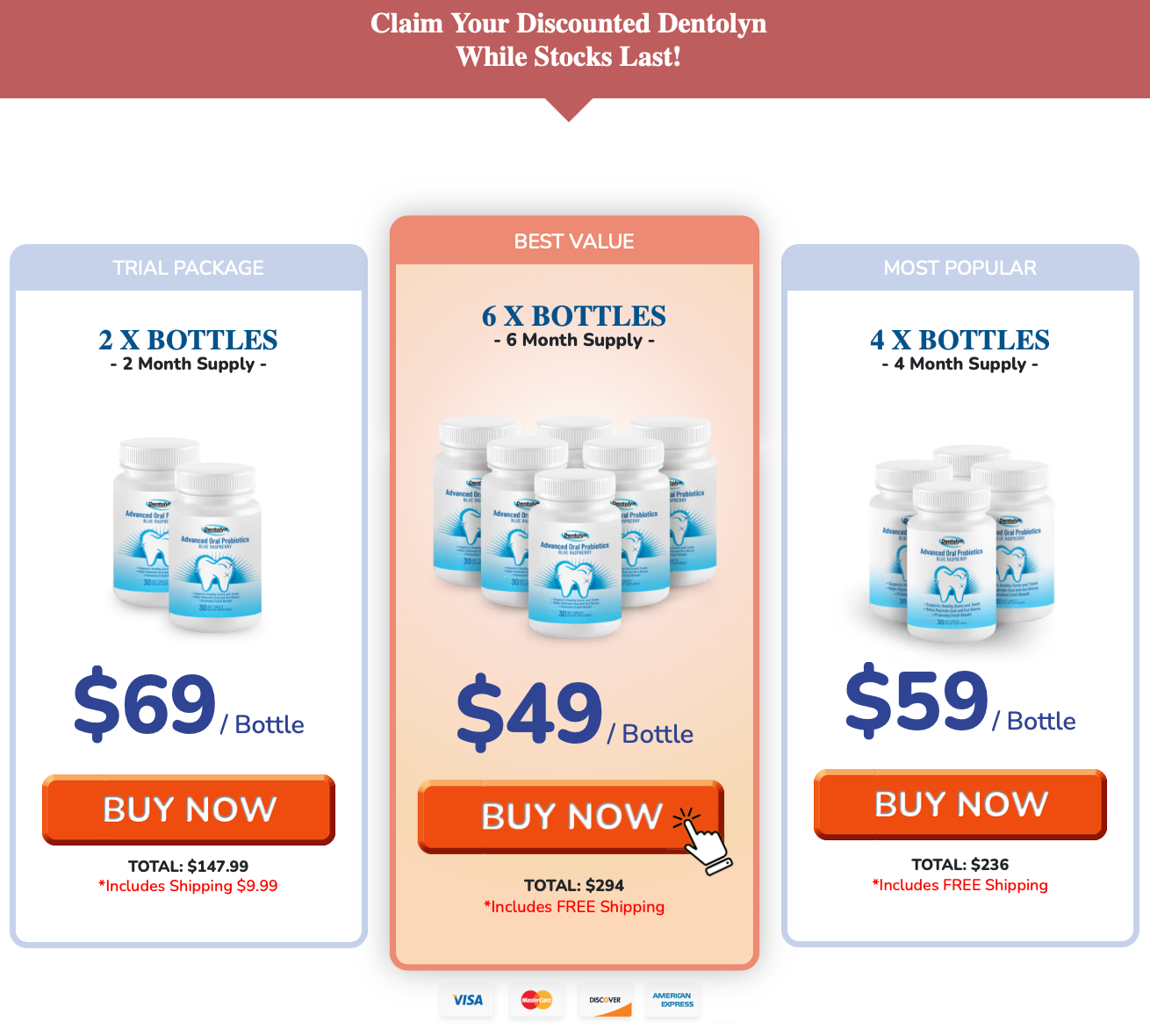
Dentolyn is positioned as an oral-health supplement, but the formula reviewed for this project does not disclose a live probiotic strain. That means probiotic safety evidence should not automatically be treated as product-specific safety evidence for Dentolyn.
Before purchase, review the current ingredient list, serving instructions, warnings, return terms and any changes to the merchant label.
View Current Dentolyn OfferCommercial terms and formulation can change. The live merchant page is the controlling source at purchase.

Some users may experience temporary digestive changes such as gas, bloating or altered bowel habits when beginning probiotic products. Oral products can also cause taste or texture complaints depending on delivery format.
People with major immune compromise, serious underlying illness, indwelling medical devices, recent surgery or complex medical treatment should discuss probiotic use with a clinician before starting.
Safety assessment depends on knowing the exact strain, dose, excipients, allergen status, storage conditions and manufacturing quality. Vague front-label claims are not enough.
Clinical evidence and safety experience often apply to a specific strain. A product that only lists a broad species name provides less information for matching research.
A strain used safely in one study at one dose cannot automatically validate every higher-dose or multi-strain formulation.
Healthy adults are not the same risk group as people with severe immunosuppression, critical illness or complex medical histories.
Products containing live organisms need appropriate handling and quality control. Expired or poorly stored products may not perform as intended.
This is a risk-screening list rather than a diagnosis. The significance of any item depends on the individual and the exact product.
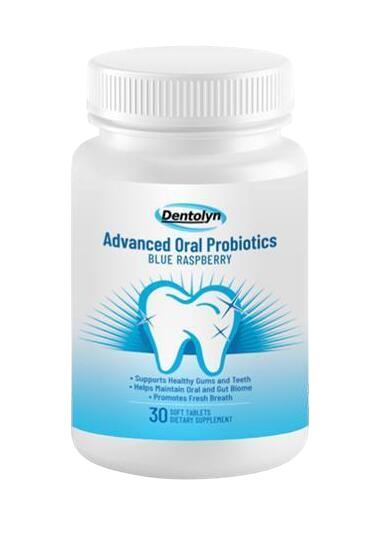
The Dentolyn formula reviewed for this project does not identify a live probiotic strain. Its safety assessment therefore needs to focus on its actual disclosed ingredients, serving instructions and individual contraindications rather than on probiotic research alone.


A refund policy may reduce financial risk, but it does not establish clinical safety or suitability. Confirm the live merchant terms and assess the actual formula separately.
Check every ingredient, serving size and warning against your own health context. If you use prescription medication, have a significant medical condition or have been advised to restrict supplements, involve your clinician or pharmacist before adding a new product.
Check Current Dentolyn Label & OfferIn many studies involving otherwise healthy participants, oral probiotic products are described as generally well tolerated. That does not mean every person, strain or formulation has identical safety. Mild gastrointestinal symptoms such as gas, bloating or bowel-pattern changes can occur with probiotic products, and oral lozenges or tablets may create taste, sweetness or texture complaints.
The most important distinction is between common mild tolerability issues and uncommon but potentially serious complications in medically vulnerable people. Safety conclusions drawn from healthy study populations should not be transferred without thought to people with severe immune compromise or critical illness.
The word probiotic describes a broad category, not a single substance. Different strains can have different biological properties, colonization behavior, resistance patterns and clinical evidence. A product that identifies only a species or uses a generic phrase such as “probiotic blend” is more difficult to assess against the scientific literature.
For oral-health use, this matters because published studies often focus on named strains such as specific Streptococcus salivarius, Lactobacillus or Weissella strains. A consumer should not assume that all products containing the same genus or species behave identically.
Serious infections linked to probiotic organisms are considered uncommon, particularly in healthy consumers, but case reports and clinical caution exist for vulnerable populations. The risk becomes more relevant when the user has severe immune suppression, critical illness, major disruption of normal barriers or indwelling vascular devices.
This does not mean oral probiotics are broadly dangerous. It means the standard consumer claim that probiotics are “completely risk free” is too strong. A more accurate approach is to match the safety decision to the individual user and exact organism.
A probiotic strain may not be the only relevant ingredient. Lozenges, gums, chewables and capsules can contain sweeteners, dairy-derived ingredients, flavorings, binders, prebiotics or other excipients. People with allergies, intolerances or dietary restrictions should check the complete ingredient list rather than relying on the active-strain name alone.
Classic drug interactions are not the only consideration. People taking antibiotics, immunosuppressants or complex treatment regimens may need individualized advice because timing, health status and treatment goals can affect whether a probiotic is appropriate. The entire supplement formula should also be reviewed because non-probiotic ingredients may have their own cautions.
There is no universal duration that applies to every oral probiotic. Trials vary widely in strain, dose, frequency and treatment period. Consumers should be cautious about assuming that indefinite use is necessary simply because a short clinical trial reported a benefit.
A practical approach is to define the intended outcome, use a clearly labeled product for a reasonable trial period, maintain ordinary oral hygiene and reassess whether the product is helping. Persistent symptoms such as bad breath, bleeding gums or oral discomfort deserve professional evaluation rather than indefinite supplement escalation.
Stop a supplement and seek professional advice if you develop a significant allergic reaction, persistent gastrointestinal symptoms, unexplained fever, worsening oral symptoms or another concerning reaction after starting the product. Urgent symptoms should be treated as a medical issue rather than managed through supplement experimentation.
Safety also includes avoiding delayed diagnosis. Persistent bleeding gums, gum recession, loose teeth, oral lesions, severe tooth pain or ongoing halitosis can reflect conditions that need dental or medical evaluation. A supplement that temporarily changes symptoms should not postpone appropriate care.
Oral probiotics are best viewed as an adjunctive wellness option where the evidence, product identity and user context make sense. Brushing, interdental cleaning, appropriate fluoride exposure, diet and professional dental assessment remain core elements of oral-health care.
| Check | Why it matters |
|---|---|
| Exact strain name | Allows the product to be matched to strain-specific research. |
| Serving amount | Helps determine whether the exposure resembles studied use. |
| Complete ingredients | Identifies allergens, sweeteners, excipients and non-probiotic actives. |
| Storage instructions | Live organisms can be affected by heat, moisture and time. |
| Expiry or best-before date | Viability may decline over time. |
| Manufacturer quality information | Reduces uncertainty around identity and contamination control. |
| Health-condition warnings | Highlights situations requiring clinician input. |
Dentolyn is included on this page because it is the commercial oral-health product being evaluated across this MPS cluster. However, the currently reviewed ingredient disclosure does not identify a live probiotic strain. It should therefore not be presented as if oral-probiotic safety data directly validates the finished product.
Its safety assessment should instead begin with its actual current label, listed nutrients and other ingredients, recommended serving size, warnings and the user's health status. This separation is important because category research and finished-product safety are different questions.
Use the merchant page to verify ingredients, package options, guarantee terms and any warnings. Product suitability depends on the individual, not only on the marketing category.
Review Current Dentolyn Offer