Protect saliva
Saliva buffers acids, clears food debris and helps maintain the chemical environment in which oral communities live.
A healthy mouth is not bacteria-free. The practical goal is to support an oral environment in which beneficial and neutral organisms can coexist while plaque, acid pressure, dry mouth and disease-associated shifts are kept under control.
Use these tools to revisit or compare this page as part of your oral-health research.
Good oral bacteria are supported by the conditions in the mouth. Saliva, plaque control, diet, pH, smoking exposure, oral hygiene and product choices all influence that environment. Supplements can be considered as an additional layer, not a replacement for established oral care.
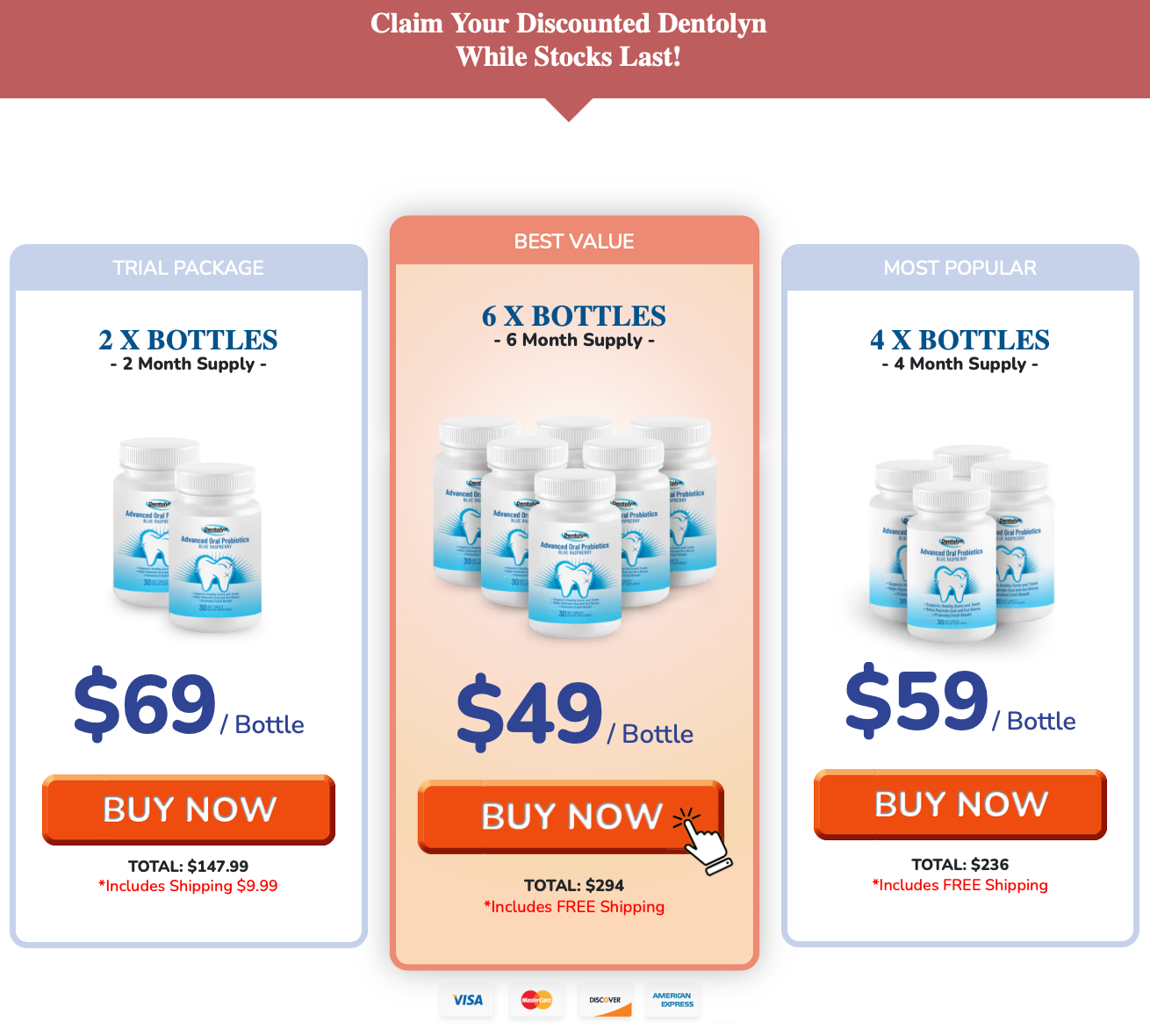
View Current Dentolyn OfferAffiliate disclosure: if you use our product link, this site may earn a commission. Commercial relationships do not change the evidence standards used on this page.

There is no single “good bacteria” switch. The oral microbiome is a community. The most practical approach is to maintain conditions that favor microbial balance rather than trying to sterilize the mouth.
Saliva buffers acids, clears food debris and helps maintain the chemical environment in which oral communities live.
Frequent sugar exposure can favor acid-producing organisms and repeated low-pH conditions that are less compatible with enamel health.
Xylitol, selected probiotics and other adjuncts may have roles, but effects depend on dose, formulation, delivery method and the individual.
Recent reviews continue to emphasize ecology, diet and strain-specific interventions rather than the idea that more bacteria or fewer bacteria is automatically better.
A 2025 systematic review reported that healthier dietary patterns were associated with more favorable oral microbial profiles, while high sugar intake was associated with acidogenic species and caries-related conditions.
A 2025 review described oral microflora as a balanced host-microorganism system affected by environment, saliva and daily exposures, with diet correction among the approaches being investigated.
A 2026 systematic review reported potentially beneficial effects on salivary parameters and cariogenic bacteria, but heterogeneity and methodological limitations lowered certainty.
Hydration, plaque control, sugar frequency, saliva, tobacco exposure and professional dental care remain foundational regardless of whether a supplement is used.
The goal is ecological support, not indiscriminate bacterial elimination.
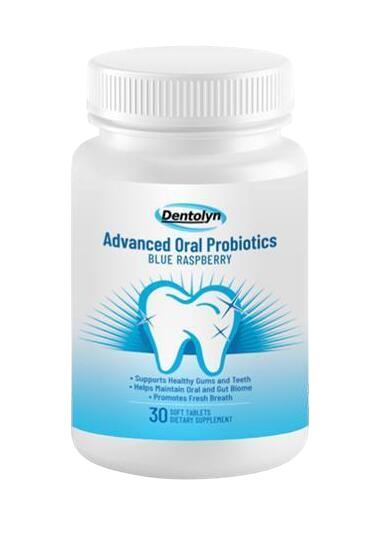
Dentolyn can be considered as a broader oral-health supplement. The reviewed formula includes xylitol and nutritional ingredients, but the current formula information reviewed for this project does not identify a live probiotic strain. For that reason, evidence on named oral probiotic strains should not be transferred directly to Dentolyn.


A refund guarantee can affect purchase risk, but it does not prove that a product changes the oral microbiome. Confirm current merchant terms before purchase.
Start with brushing, interdental cleaning, hydration, diet quality and dental assessment where needed. If Dentolyn fits your broader routine, check the current product page for the latest formula, package and guarantee information.
Check Current Dentolyn Offer
The phrase “good mouth bacteria” is convenient, but biologically it is an oversimplification. The oral cavity contains a diverse community of bacteria and other microorganisms that interact with saliva, tooth surfaces, the tongue, gums, food, oxygen and one another. Many organisms are normal residents rather than inherently good or bad. Their behavior can change depending on the surrounding environment.
A healthy oral microbiome is therefore better understood as a relatively stable ecological community than as a list of approved bacterial species. Research on oral dysbiosis shows that disease risk can emerge when environmental pressures alter community structure, biofilm behavior and host responses. This is why supporting oral health usually involves changing the conditions in the mouth rather than trying to eliminate every microbe.
Saliva is one of the most important environmental regulators in the mouth. It helps wash away food particles, provides minerals and proteins, lubricates tissues and buffers acids. Salivary flow and buffering capacity influence pH, which in turn influences the organisms that can thrive in dental plaque and on mucosal surfaces.
Dry mouth can therefore affect much more than comfort. When salivary flow falls, clearance is reduced and the oral environment may become more favorable to plaque accumulation, odor-producing processes and acid stress. Persistent dry mouth can have many causes, including medications and medical conditions, so a recurring problem deserves professional evaluation.
Diet acts directly on oral microorganisms because food and drinks are exposed to the mouth before reaching the rest of the digestive tract. A 2025 systematic review of 22 clinical studies concluded that dietary patterns can meaningfully affect oral microbiota composition. Healthier patterns, including Mediterranean and vegetarian-style diets in the included literature, were associated with more favorable microbial and inflammatory profiles. High sugar consumption, by contrast, was associated with increases in acidogenic species and caries-related conditions.
The practical message is not that a single food creates a healthy microbiome. Frequency matters. Repeated intake of fermentable carbohydrates can create recurrent acidic episodes in plaque. Reducing frequent sugar exposure and eating a more nutrient-dense diet can therefore support a more stable oral environment.
Antimicrobial mouthwash can be useful for specific oral-health purposes, but the ecological goal should not be complete sterilization. Broad antimicrobial exposure can affect both disease-associated and commensal organisms. Product choice should therefore match the reason for use, duration and professional advice, particularly where a strong antiseptic is being used therapeutically.
For routine oral care, mechanical plaque removal remains central. Toothbrushing and cleaning between teeth physically disrupt biofilms while preserving the broader concept that a healthy mouth still contains microorganisms.
Oral probiotics are one of the most direct approaches being studied for altering microbial ecology. However, their effects are strain-specific. A 2026 systematic review examining probiotic supplementation reported modest benefits for some salivary parameters and reductions in cariogenic bacteria, but also found substantial heterogeneity and methodological limitations.
This means that a product should identify the actual microorganism, preferably to strain level, before evidence from a clinical trial can be meaningfully matched to it. The general word “probiotic” is not enough. Evidence involving one strain cannot automatically be transferred to another strain or to a non-probiotic oral-health supplement.
Prebiotics are substances intended to support selected microorganisms. Oral prebiotic research is developing, and some recent reviews discuss the potential for dietary and targeted substrates to support more favorable microbial patterns. However, the oral microbiome is complex and the evidence base is less mature than the marketing language often implies.
For most people, a practical food-first approach remains sensible: reduce repeated sugar exposure, eat a varied nutrient-dense diet, maintain hydration and avoid behaviors that undermine gum and tooth health.
Xylitol is a sugar alcohol with a long history in dental research. It is not simply “food for good bacteria.” Instead, its relevance relates to how certain oral bacteria metabolize it, how it may influence plaque ecology and, in some delivery forms, how chewing can stimulate saliva.
Recent literature continues to describe xylitol as a useful adjunct in preventive oral care, but the magnitude of benefit depends on dose, frequency, delivery method and outcome. A xylitol-containing tablet should not automatically be assumed to reproduce the effects observed in studies of gum, lozenges or other preparations.
Fermented foods can contain live microorganisms, but they should not automatically be treated as oral probiotic therapies. The organisms, survival characteristics and doses differ substantially among products. Some fermented foods are also acidic or contain added sugars, which may matter for enamel and plaque conditions.
If the goal is targeted oral probiotic support, products with clearly identified strains and relevant clinical evidence are easier to evaluate than general fermented-food claims.
Smoking is associated with adverse periodontal outcomes and can alter oxygen conditions, host responses and microbial patterns within oral biofilms. A supplement cannot neutralize the broader oral-health effects of smoking. Reducing or stopping tobacco exposure is a more fundamental intervention than adding a microbiome product.
There is no simple home symptom that reliably tells you whether you have the “right” amount of beneficial bacteria. Bad breath, plaque, gum bleeding, decay or a coated tongue can occur for many reasons and should not be interpreted as a direct microbial test.
Consumer microbiome tests are an emerging area, but interpretation remains complex because the oral microbiome varies by site, time, diet and sampling method. Clinical decisions still depend on conventional dental examination and the actual problem being managed.
Start with consistent toothbrushing using an appropriate fluoride toothpaste unless a dental professional advises otherwise. Clean between teeth because toothbrush bristles do not fully reach interproximal plaque. Clean the tongue if tongue coating or breath is a recurring issue. Drink enough water to support normal salivary function. Reduce frequent sugary snacks and drinks. Avoid smoking. Seek dental care for persistent symptoms.
Adjuncts can then be chosen for a defined reason. Xylitol may be considered where the delivery format and routine make sense. Oral probiotics may be considered when a specific strain has evidence relevant to the intended outcome. Broader oral-health supplements can be evaluated on their disclosed ingredients, doses, safety profile and commercial terms.
Dentolyn is positioned as an oral-health supplement rather than as a substitute for dental care. The formula reviewed for this project includes xylitol along with vitamin C, vitamin B6, iodine, chlorella and clinoptilolite zeolite. The reviewed label information does not identify a live probiotic organism.
That distinction matters on a page about beneficial bacteria. Dentolyn can be considered as part of a wider oral-wellness routine, but it should not be described as introducing beneficial bacteria into the mouth unless a current authoritative label shows a probiotic strain.
Persistent gum bleeding, swelling, tooth pain, loose teeth, ulcers or lesions that do not heal, recurrent bad breath despite good hygiene, or a significant change in dry mouth should be professionally assessed. These symptoms can reflect conditions that require diagnosis and treatment rather than microbiome experimentation.
Oral microbiome science is useful for understanding why the mouth behaves as an ecosystem, but it does not replace examination, imaging or periodontal assessment when those are clinically indicated.
Diet and nutrition key factors for oral microbiota composition: a systematic review. Published in 2025. The review included 22 clinical studies and reported associations between dietary patterns, sugar exposure and oral microbial composition.
The Oral Microbiota, Its Evolution, and Aspects of Support for Oral Health. Published in 2025. This review describes oral microflora, host-microorganism balance, environmental influences and proposed approaches for supporting oral health.
Impact of probiotic supplementation on salivary function, oral microbiota, and gut health: a systematic review. Published in 2026. It reports modest, strain-specific benefits with substantial heterogeneity and methodological limitations.
Oral Microbiome: A Review of Its Impact on Oral and Systemic Health. The supplied project reference reviews oral microbial ecology, dysbiosis, halitosis, periodontal disease and oral-health interventions.
If Dentolyn fits your broader oral-health routine, use the merchant page to confirm the current label, serving directions, pricing, shipping and guarantee terms before deciding.
Check Current Dentolyn Offer