Frequent sugar
Repeated fermentable-carbohydrate exposure can lower plaque pH and favor acid-producing and acid-tolerant organisms.
Diet influences the oral environment every time food or drink enters the mouth. Frequent sugar exposure can favor acid-producing organisms, while plant-rich and fiber-rich dietary patterns may support a more stable oral ecosystem. Current research suggests diet matters, but the effect depends on overall pattern, frequency and individual oral-health conditions.
Use these tools to revisit or compare this page as part of your oral-health research.
Supplements cannot offset a diet that repeatedly exposes dental plaque to fermentable sugars. The first layer is dietary pattern, meal frequency, hydration and oral hygiene. Oral-health supplements can be considered after those fundamentals are in place.
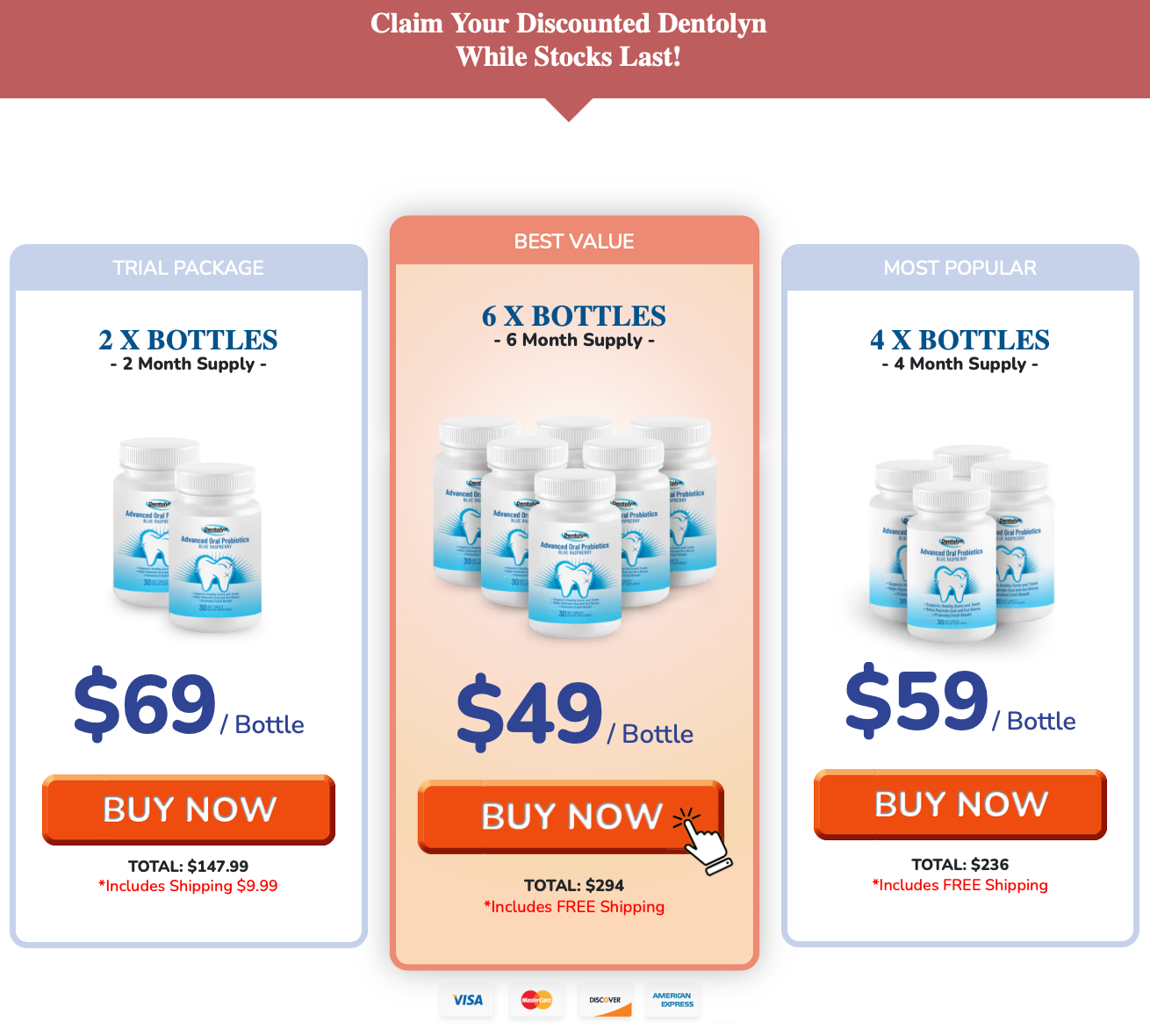
View Current Dentolyn OfferAffiliate disclosure: if you use our product link, this site may earn a commission. Commercial relationships do not change the evidence standards used on this page.

Recent systematic and narrative reviews suggest that frequent sugar exposure can promote acidogenic microbial patterns, while Mediterranean-style, vegetarian and other plant-rich patterns may be associated with more favorable microbial and inflammatory profiles. However, the oral microbiome remains relatively stable overall, and evidence varies by diet type and study design.
Repeated fermentable-carbohydrate exposure can lower plaque pH and favor acid-producing and acid-tolerant organisms.
Recent reviews associate Mediterranean and vegetarian patterns with potentially more favorable oral microbial profiles and lower inflammatory pressure.
Dietary frequency, nutrient density, fiber, hydration and oral hygiene interact. No single food can define the entire oral microbiome.
The newest literature supports diet as a modifiable influence, while also showing that oral microbial communities are not completely reshaped by every dietary pattern.
A systematic review of 22 clinical studies found healthier dietary patterns, including Mediterranean and vegetarian diets, were associated with more favorable microbial and inflammatory profiles, while high sugar intake was linked with acidogenic species and caries-related conditions.
A 2026 review found limited consistent effects of dietary patterns on overall alpha and beta diversity, although specific taxa and functional pathways differed. Mediterranean-style patterns showed the most consistent favorable associations.
A recent review associated plant-enriched and high-fiber patterns, nitrate intake and lower fermentable-sugar exposure with lower inflammatory pressure and more favorable commensal profiles.
Evidence that diet influences oral microbiota does not establish that Dentolyn reproduces the benefits of a Mediterranean, high-fiber or low-sugar dietary pattern.
The oral microbiome responds to repeated exposures, not only to the nutrient label of one meal.
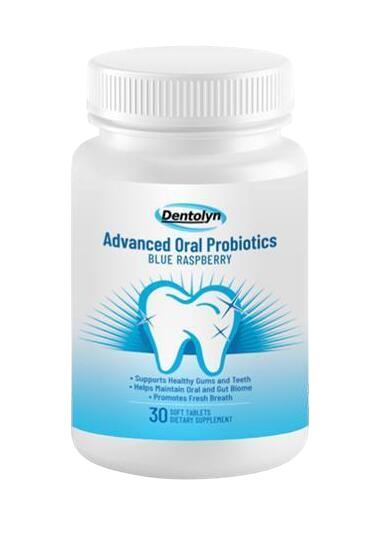
Dentolyn can be considered as a broader oral-health supplement. The reviewed formula includes xylitol, vitamin C and other ingredients, but it should not be positioned as a substitute for dietary pattern, plaque control or nutrient-dense food choices.


A refund guarantee can affect purchase confidence, but it does not show that a product changes the oral microbiome in the same way as a dietary intervention.
If Dentolyn fits your wider oral-care routine, review the current formula and merchant terms. Keep lower sugar frequency, varied plant foods, hydration and oral hygiene as the primary lifestyle layer.
Check Current Dentolyn OfferUnlike the gut microbiome, the oral microbiome encounters foods and drinks before digestion. Sugars, acids, fats, fibers, micronutrients and plant compounds can therefore affect the chemical environment of dental plaque, saliva and oral surfaces immediately.
This direct exposure is one reason diet is such an important oral-health variable. The response depends on what is eaten, how often it is eaten, whether saliva is adequate and how effectively plaque is disrupted through brushing and interdental cleaning.
Oral bacteria can ferment many carbohydrates and produce acids. When fermentable sugars are consumed repeatedly, plaque pH can fall again and again. Acid-tolerant organisms gain a competitive advantage under those conditions, creating an ecological pattern associated with caries.
A systematic review of high-sugar dietary exposure found that most included studies reported lower oral microbial diversity and enrichment of genera associated with carbohydrate metabolism under high-sugar conditions. The evidence supports the idea that sugar-rich diets can contribute to oral dysbiosis, although exact microbial responses vary between studies.
Both matter, but frequency is especially relevant to the oral environment because each exposure creates another period of substrate availability and potential acid production. Constant sipping or snacking can therefore expose teeth to repeated pH challenges even when the total daily amount does not appear extreme.
A practical oral-health strategy is to reduce the number of separate sugary exposures and avoid routinely bathing teeth in sweetened drinks between meals.
A 2025 systematic review of diet, nutrition and oral microbiota included 22 original clinical studies. Healthier dietary patterns such as Mediterranean and vegetarian diets were associated with anti-inflammatory effects and favorable shifts in oral microbial profiles. High sugar intake was associated with increased acidogenic species and dental caries.
The review also discussed probiotics and prebiotics, but effects varied by strain and host conditions. This reinforces the need to separate dietary-pattern evidence from supplement evidence.
A 2026 systematic review examined Mediterranean, vegan, vegetarian and omnivorous diets in healthy individuals. It found no consistent major change in overall alpha or beta diversity across dietary patterns. However, specific taxa and microbial functions differed, and Mediterranean-style eating showed the most consistent association with lower abundance of periodontopathogenic taxa.
This is a useful correction to oversimplified claims. Diet may influence specific organisms and functional pathways without completely restructuring the entire oral microbiome.
Mediterranean dietary patterns are rich in vegetables, fruits, legumes, whole grains, nuts, olive oil and other minimally processed foods. Recent oral-microbiome reviews associate these patterns with lower inflammatory pressure and potentially more favorable microbial profiles.
These findings should still be treated as pattern-level evidence. A Mediterranean diet is a package of foods and behaviors rather than a single active ingredient.
Plant-based diets can increase fiber, phytochemicals and dietary variety, but they can also differ widely in sugar exposure and food processing. A minimally processed vegetarian pattern is not equivalent to a diet dominated by refined carbohydrates simply because both exclude meat.
Recent research finds distinct microbial profiles in vegetarian and omnivorous groups, but no universally superior oral microbiome signature has been established.
Fiber-rich foods often require more chewing and are associated with broader dietary quality. Chewing stimulates saliva, while plant foods provide substrates and phytochemicals that may influence oral and systemic inflammatory pathways.
A recent narrative review associates high-fiber and plant-enriched patterns with greater ecological stability and lower inflammatory pressure, although direct causal evidence for specific oral taxa remains limited.
The oral microbiome participates in nitrate metabolism. Certain oral bacteria reduce dietary nitrate to nitrite, contributing to nitric-oxide-related pathways. Vegetables such as leafy greens are common dietary nitrate sources.
This is another example of why indiscriminate antimicrobial approaches may not always be desirable. Some oral bacteria perform physiologically relevant functions. However, nitrate biology should not be converted into claims that a specific food or supplement treats dental disease.
Fermented foods can contain live microorganisms, but they vary greatly in microbial composition, dose, acidity and sugar content. They should not automatically be treated as oral probiotic therapies.
If the goal is a strain-specific oral probiotic effect, a product that identifies the microorganism clearly and has matching clinical evidence is easier to evaluate than a generic fermented food claim.
Food texture, chewing and hydration can influence salivary flow. Saliva then affects clearance, acid buffering and microbial conditions. A dietary pattern that promotes adequate hydration and regular chewing of whole foods may therefore influence the oral environment indirectly as well as through nutrients.
Dry mouth can change these relationships, making professional evaluation important when low salivary flow persists.
Xylitol is a sugar alcohol that can replace fermentable sugar in some products. It has research supporting effects on plaque and mutans streptococci in certain gum and confectionery formats, but direct caries-prevention evidence remains mixed.
Dentolyn contains xylitol in the reviewed formula. That ingredient is relevant to oral-health evaluation, but a once-daily multi-ingredient tablet should not be assumed to reproduce the exposure pattern of xylitol gum used several times per day.
Dentolyn can be considered after the diet and oral-care foundation is in place. The reviewed formula includes xylitol, vitamin C, vitamin B6, iodine, chlorella and clinoptilolite zeolite. Those ingredients do not make the product a replacement for reducing frequent sugar exposure or eating a varied diet.
The strongest positioning is as an optional oral-wellness supplement rather than a dietary correction or a treatment for caries, gingivitis, periodontitis or oral dysbiosis.
Favor water as the default drink. Reduce frequent sugary beverages and snacks. Eat a varied pattern of vegetables, fruits, legumes, whole grains, nuts and other minimally processed foods. Include adequate protein and micronutrients. Keep acidic and sugary exposures concentrated around meals where practical rather than grazing continuously.
Combine dietary changes with twice-daily brushing, interdental cleaning, appropriate fluoride exposure and regular dental care. Diet and microbiome strategies work best as part of that larger oral-health system.
Diet and nutrition key factors for oral microbiota composition: a systematic review. Published in 2025. PMID 41323139. Twenty-two clinical studies were included, with healthier dietary patterns generally associated with more favorable microbial and inflammatory profiles and high sugar intake associated with acidogenic species.
Oral Microbiota Characteristics in Relation to Different Dietary Patterns: A Systematic Review. Published in 2026. PMID 42280361. Six studies involving 448 participants found limited effects on overall diversity but taxonomic and functional differences, with the Mediterranean diet showing the most consistent favorable associations.
Diet type and the oral microbiome. Published in 2025. PMID 41624190. This narrative review discusses plant-enriched diets, fiber, nitrate, caloric restriction and processed high-sugar dietary patterns in relation to oral microbial ecology.
The Impact of Diet and Nutrition on the Oral Microbiome. Published in 2025. PMID 40111685. This review summarizes diet-related mechanisms affecting oral microbial balance and oral-health outcomes.
If Dentolyn fits your broader oral-health routine, confirm the current formula and commercial terms before deciding. Use it as an adjunct to diet, hygiene and professional care rather than as a substitute for them.
Check Current Dentolyn Offer