Support Fresher Breath by Addressing the Oral Environment
Fresh breath is usually an outcome of a healthier oral environment, not a single mint, rinse or supplement. Tongue coating, plaque, gum health, saliva, diet and oral microbial activity can all influence breath, so the most useful strategy is to identify the likely cause and support the mouth as a system.
Save or follow this source
Add this page to your preferred research workflow.
Add Daily Oral-Health Support to a Fresh-Breath Routine
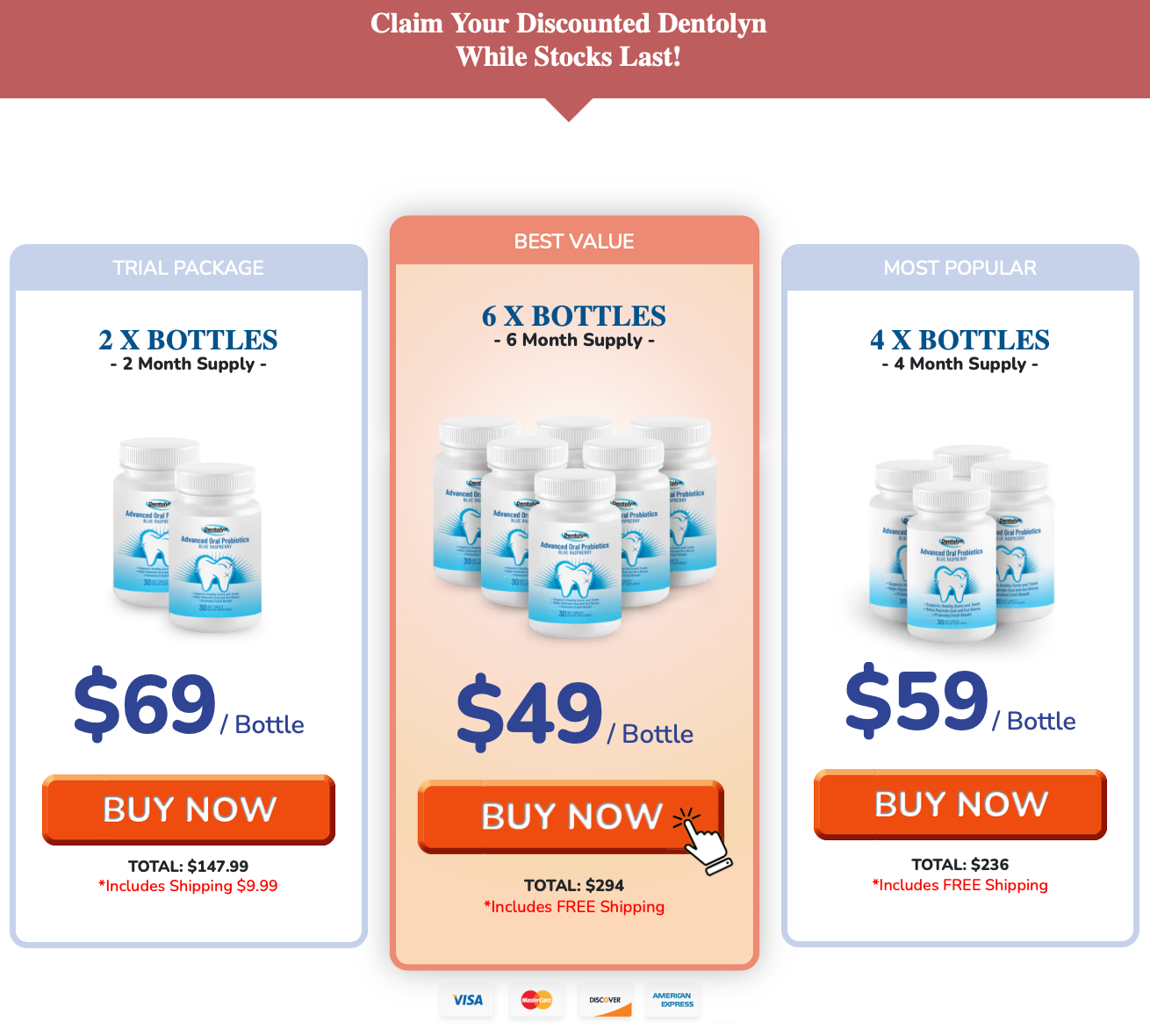
Dentolyn is positioned as a daily oral-health supplement. If its formula and commercial terms fit your routine, use the live merchant page to confirm the current package, label, price, shipping and guarantee before ordering.
View Current Dentolyn OfferAffiliate disclosure: this site may earn a commission if you purchase through product links. Commercial relationships do not change our evidence standards.

Dentolyn as a Daily Oral-Health Supplement
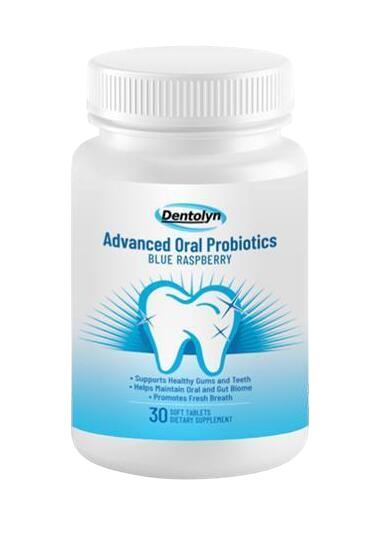
The supplied bottle artwork presents Dentolyn as a 30-tablet dietary supplement. The formula reviewed for this project contains several oral-health-relevant ingredients, but the available label information does not justify describing the product as a clinically proven treatment for bad breath.

Start With the Likely Source of the Problem
Breath odor can be influenced by tongue coating, plaque, gum inflammation, reduced saliva, food, tobacco use and other oral or systemic factors. A supplement is most sensible when it sits inside a broader routine that addresses those causes rather than merely covering odor.
Four Factors That Often Matter More Than a Quick Masking Product
The goal is to improve the conditions associated with breath quality, not simply cover odor temporarily.
Tongue coating can retain odor-producing material
The tongue dorsum provides a large surface where bacteria and debris can accumulate. Tongue cleaning can therefore be a practical part of a fresh-breath routine when coating is present.
Gum and plaque health affect the oral environment
Plaque accumulation and periodontal inflammation can create microbial niches associated with malodor. Persistent gum bleeding or swelling deserves dental assessment rather than supplement-only self-care.
Dry mouth can make odor harder to control
Saliva helps wash the oral cavity and buffer its environment. Reduced salivary flow can allow odor-producing compounds to accumulate and may reflect medications, dehydration or other causes.
Oral microbiome balance is an active research area
Recent research on selected probiotic strains suggests some adjunctive potential for halitosis, but strain-specific findings should not be generalized to every supplement marketed for oral health.
Fresh Breath Is Closely Connected to Volatile Sulfur Compounds
Many cases of intra-oral halitosis involve bacterial metabolism that produces volatile sulfur compounds such as hydrogen sulfide and methyl mercaptan. The practical implication is that long-lasting fresh-breath support usually requires attention to tongue coating, plaque, gum health, saliva and microbial conditions rather than relying only on fragrance or flavor.

Keep Commercial Value Separate From Clinical Evidence
The supplied sales assets include a one-year money-back guarantee graphic. A refund policy may reduce purchase risk, but it does not demonstrate that a supplement will resolve bad breath. Verify current terms directly with the merchant.

Build a Better Fresh-Breath Routine, Then Decide Whether Dentolyn Fits
Dentolyn may be considered as a broader oral-health supplement. Keep its role separate from clinically studied probiotic strains and from proven daily oral-care measures.
Check Current Dentolyn OfferWhat Does “Fresh Breath Support” Actually Mean?
Fresh breath is an outcome rather than a diagnosis. A person may notice unpleasant breath because of tongue coating, plaque accumulation, gum inflammation, reduced salivary flow, diet, smoking, alcohol, medication effects or a combination of factors. That makes a cause-focused approach more useful than choosing a product solely because it promises minty breath.
Most halitosis research distinguishes intra-oral causes from extra-oral causes. Many cases begin within the mouth, where bacteria metabolize proteins and sulfur-containing compounds. For users researching supplements, the first decision is therefore whether the product addresses a plausible part of the oral environment and whether ordinary oral care has already been optimized.
Why Tongue Cleaning Can Matter
The tongue has a large, textured surface that can retain epithelial cells, food debris and microbial biofilms. For some people with oral malodor, tongue coating is a meaningful contributor. Mechanical tongue cleaning can reduce that reservoir and is a low-complexity step that can be combined with brushing and interdental cleaning.
A randomized controlled trial published in 2026 compared Streptococcus salivarius K12, tongue brushing and their combination. After four weeks, volatile sulfur compounds decreased in the probiotic, tongue-brushing and combined groups, with the combined approach producing the greatest and most sustained improvement. The study reinforces a practical point: biological and mechanical approaches can be complementary rather than mutually exclusive.
How Saliva Influences Breath
Saliva is part of the mouth's natural cleaning and buffering system. When salivary flow falls, debris and odor-producing compounds may remain longer in the mouth. Temporary dry mouth can occur with dehydration or sleep, while persistent dry mouth may be associated with medications, mouth breathing, tobacco use or health conditions.
Fresh-breath products that only add flavor cannot solve the underlying issue if reduced saliva is the main driver. Hydration, reviewing possible medication effects with a clinician, addressing nasal or mouth-breathing problems and maintaining oral hygiene may be more important than adding another supplement.
What Is the Oral Microbiome's Role?
The oral microbiome is the community of microorganisms living throughout the mouth. A healthy mouth contains many microorganisms; the objective is not sterility. Problems arise when environmental conditions favor disease-associated communities, increased plaque, inflammation or metabolic activity linked to malodor.
The supplied 2024 review of the oral microbiome describes dysbiosis as an imbalance in microbial composition and function and connects it with oral conditions including caries, periodontal disease, candidiasis and halitosis. That evidence supports treating fresh breath as part of broader oral ecology rather than as an isolated cosmetic issue.
Do Oral Probiotics Help Fresh Breath?
The answer is promising but qualified. A 2025 systematic review included six randomized controlled trials involving 360 participants. Five studies reported significant reductions in volatile sulfur compounds after probiotic interventions, and three reported improvements in organoleptic scores. The review particularly noted results involving specific strains such as Streptococcus salivarius K12 and Weissella cibaria.
A later 2025 meta-analysis pooled ten studies and reported significant improvement in volatile sulfur compounds and some organoleptic outcomes. At the same time, the authors identified heterogeneity, small sample sizes and possible publication bias. A 2026 umbrella review of oral-probiotic meta-analyses also characterized the overall benefits as modest and limited by strain variation and reliance on surrogate endpoints.
These findings support further interest in oral probiotics, but they also make product matching crucial. A trial involving one named bacterial strain does not establish that an unrelated supplement will produce the same effect.
Where Does Dentolyn Fit?
Dentolyn appears here because consumers looking for fresher breath may encounter it alongside products marketed around oral microbiome support. The merchant-disclosed formula reviewed for this project includes vitamin C, vitamin B6, iodine, xylitol, chlorella powder, clinoptilolite zeolite powder and magnesium stearate. The available formula information does not identify a named live probiotic strain.
That means Dentolyn is better framed as a general oral-health supplement rather than as a direct substitute for strain-specific oral probiotics used in halitosis trials. Its possible place is within a broader oral-care routine, subject to the user's needs, health context and expectations.
What About Xylitol and Fresh Breath?
Xylitol is widely used in oral-care products and has been studied for effects on dental plaque and cariogenic bacteria. However, the evidence base is broader than fresh breath specifically, and positive findings about xylitol should not be converted into a claim that Dentolyn treats halitosis. On this page, xylitol is best understood as an oral-care-relevant ingredient rather than a proven breath treatment.
How Gum Health and Bad Breath Overlap
Persistent gum inflammation and periodontal pockets can provide niches for anaerobic bacteria that produce malodorous compounds. Bad breath accompanied by bleeding gums, recession, swelling, tenderness, loose teeth or persistent unpleasant taste deserves professional assessment. A supplement or breath product should not postpone dental evaluation of those signs.
This is also why the MPS oral-health cluster separates gum-health support from this fresh-breath page. The searches overlap, but the user decisions and evidence questions are different enough to warrant separate treatment.
What Can You Do Today for Fresher Breath?
A practical routine starts with the basics: brush thoroughly with an appropriate toothpaste, clean between teeth, clean the tongue when coating is present, maintain adequate hydration and keep regular dental visits. Review dietary triggers and avoid smoking. If dry mouth persists, investigate the cause rather than simply increasing mint use.
For people interested in microbiome-oriented options, a strain-specific oral probiotic may be worth discussing in the context of the emerging evidence. For those considering a broader supplement such as Dentolyn, the key is to keep expectations aligned with the actual formula and evidence.
How to Compare Fresh-Breath Products
| Question | Why it matters |
|---|---|
| Does the product address a likely cause? | Fragrance may mask odor temporarily, while tongue coating, plaque, dry mouth and gum problems may require different interventions. |
| Does it identify studied probiotic strains? | Probiotic evidence is strain-specific, so a generic microbiome claim is not equivalent to a studied formulation. |
| Does it fit ordinary dental care? | No supplement replaces brushing, interdental cleaning, tongue care or professional assessment when needed. |
| Are ingredients and serving instructions clear? | Transparent formulation makes it easier to compare product claims with available evidence. |
| Are the commercial terms current? | Price, shipping and guarantee affect value but should remain separate from efficacy judgments. |
Frequently Asked Questions
What is the most common oral reason for bad breath?
Many cases involve bacterial activity on the tongue, plaque and periodontal areas. The exact source varies, so persistent bad breath is best approached by identifying the likely cause rather than assuming one universal solution.
Can tongue brushing improve breath?
It can help when tongue coating contributes to malodor. A 2026 randomized trial found reductions in volatile sulfur compounds after tongue brushing, oral probiotics and especially their combination.
Do oral probiotics work for fresh breath?
Recent systematic reviews and meta-analyses report promising effects for some strains and outcomes, but study heterogeneity and strain specificity limit broad conclusions.
Is Dentolyn proven to treat halitosis?
No finished-product evidence reviewed for this project establishes Dentolyn as a treatment for halitosis. It is presented here as a broader oral-health supplement.
When should persistent bad breath be checked by a dentist?
Seek assessment when bad breath persists despite good oral hygiene, particularly if it occurs with bleeding gums, swelling, pain, loose teeth, oral lesions, persistent dry mouth or other concerning symptoms.
Continue With the Most Relevant Next Question
Research References
- Rajasekaran JJ, et al. Oral Microbiome: A Review of Its Impact on Oral and Systemic Health. Microorganisms. 2024;12:1797. doi:10.3390/microorganisms12091797
- Passadakis G, et al. Effectiveness of Probiotics in Managing Oral Halitosis: A Systematic Review of Randomized Controlled Trials. 2025. PubMed 40951721
- Yang Y, et al. Efficacy and safety of probiotic therapy for halitosis: a systematic review and meta-analysis of randomized controlled trials. J Breath Res. 2025. PubMed 41289613
- Tongue brushing and oral probiotics for the treatment of halitosis: a randomized controlled trial. 2026. PubMed 41604763
- Tang et al. The effects of probiotics intervention on oral health outcomes: a comprehensive umbrella review of meta-analyses. 2026. PubMed 41969406
Evidence concerning specific probiotic strains is category evidence. It should not be represented as finished-product evidence for Dentolyn unless the product formula and product-level clinical data support that claim.
Choose Oral-Health Support With Realistic Expectations
If Dentolyn's current formula and commercial terms fit your broader oral-health routine, use the merchant page to verify the latest label and offer before purchasing.
View Current Dentolyn Offer
Product links are affiliate links. This page does not diagnose or treat halitosis and does not replace professional dental advice.