Collagen support
Vitamin C is required for normal collagen synthesis, making it biologically relevant to gingival and periodontal connective tissues.
Vitamin C is essential for collagen formation, antioxidant defense and normal tissue repair. Recent reviews support a relationship between vitamin C status and periodontal health, but supplementation should be viewed as an adjunct to plaque control and professional periodontal care rather than a treatment replacement.
Use these tools to revisit or compare this page as part of your oral-health research.
Vitamin C is biologically relevant to gum tissues and has supportive periodontal research, but the strongest clinical message remains simple: nutrition can support gum health, while plaque control and professional treatment remain primary when gingivitis or periodontitis is present.
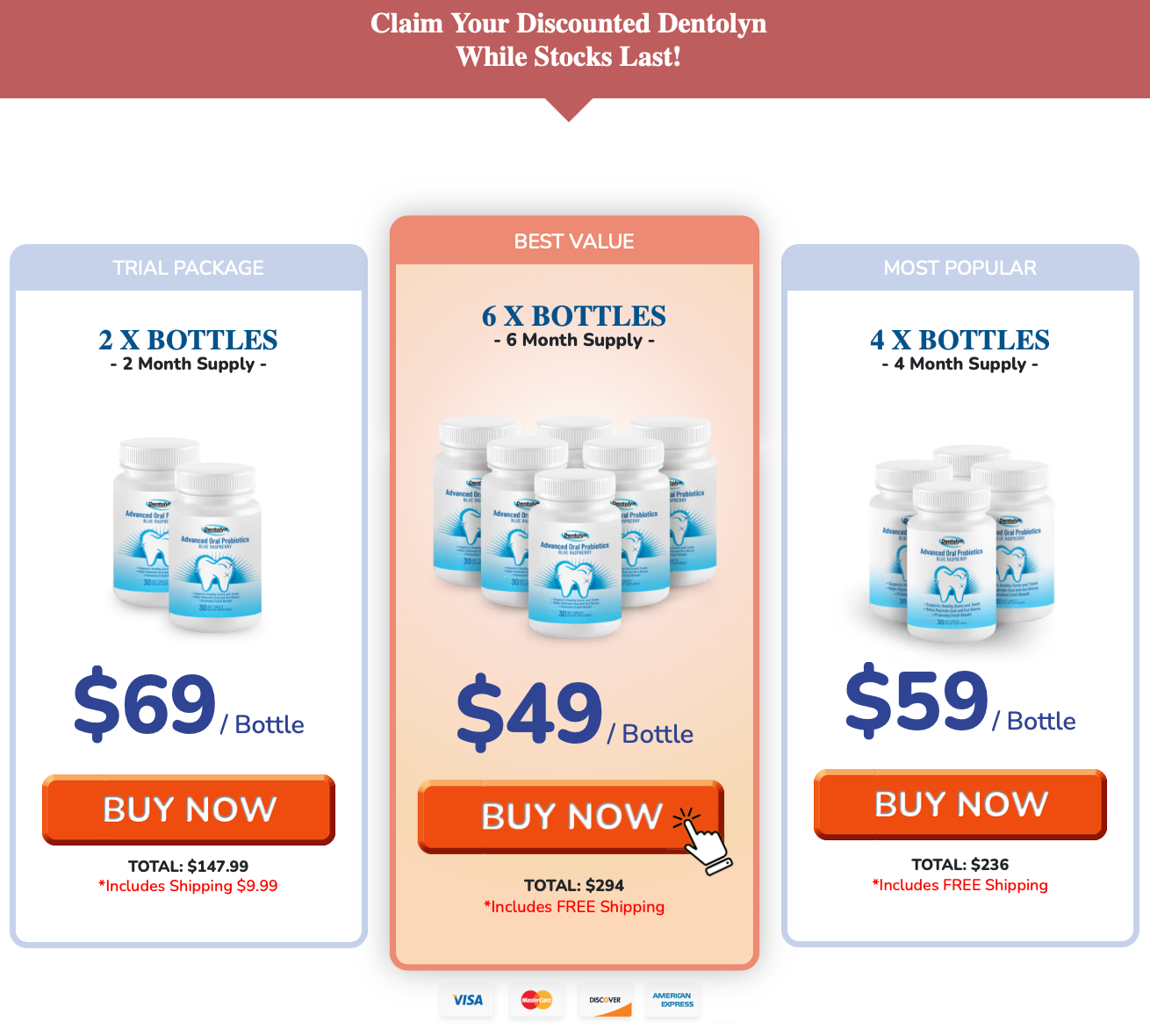
View Current Dentolyn OfferAffiliate disclosure: if you use our product link, this site may earn a commission. Commercial relationships do not change the evidence standards used on this page.

Recent systematic reviews report potentially beneficial associations and adjunctive effects for periodontal health, especially around bleeding and inflammatory measures. However, heterogeneity is high, and supplementation has not consistently improved deeper periodontal outcomes such as probing depth or attachment gain.
Vitamin C is required for normal collagen synthesis, making it biologically relevant to gingival and periodontal connective tissues.
Several reviews report improvement in gingival bleeding or bleeding-related indices, especially where vitamin C status or intake is inadequate.
Vitamin C does not remove plaque, calculus or periodontal pockets and should not replace periodontal therapy.
The strongest current conclusion is that vitamin C is relevant to periodontal health, but the magnitude of benefit varies and should not be overstated.
A systematic review and meta-analysis covering 16 studies and 17,853 participants reported a beneficial association between vitamin C and periodontal health, although heterogeneity was very high.
A review of 17 clinical publications found improvements in measures such as bleeding on probing, plaque index, gingival index and other periodontal indicators in several intervention studies.
Systematic evidence found improvement in bleeding indices but no clinically significant improvement in probing depth or attachment gain when vitamin C was added to non-surgical periodontal treatment.
Evidence involving vitamin C does not prove that Dentolyn treats gingivitis or periodontitis. Finished-product efficacy requires finished-product data.
Vitamin C studies differ substantially in population, dose, baseline status and periodontal treatment.
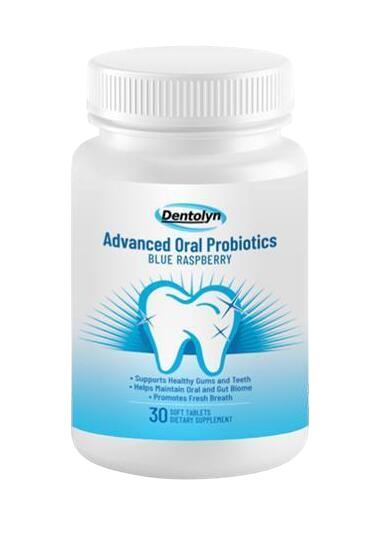
The reviewed Dentolyn formula includes vitamin C. This makes periodontal vitamin C research relevant as ingredient context, but it does not prove that Dentolyn reduces gingivitis, treats periodontitis or improves periodontal attachment.


A refund guarantee may reduce purchase risk, but it is not clinical evidence of gum-health efficacy.
If Dentolyn fits your routine, confirm the current label and serving information. Keep brushing, interdental cleaning and professional periodontal care at the center of gum-health management.
Check Current Dentolyn OfferVitamin C, or ascorbic acid, is required for normal collagen synthesis and maintenance of connective tissues. Gingiva, periodontal ligament and other supporting tissues depend on collagen-rich structures, which makes vitamin C biologically relevant to periodontal health.
Vitamin C also has antioxidant activity and contributes to immune function. These roles help explain why low vitamin C status has historically been associated with bleeding gums and impaired tissue integrity.
A 2024 systematic review and meta-analysis evaluated vitamin C supplementation and periodontal health across 16 studies involving 17,853 participants. The authors reported a beneficial relationship between vitamin C and periodontal outcomes, but heterogeneity was extremely high. That means the included populations, interventions and study designs differed substantially.
The practical interpretation is that vitamin C appears relevant to periodontal health, but pooled results should not be treated as a precise treatment effect that applies equally to every patient.
Bleeding on probing and gingival bleeding are commonly used markers of gingival inflammation. Several vitamin C studies report improvement in bleeding-related measures, especially where dietary intake or baseline status is low.
This is biologically plausible because vitamin C supports collagen and tissue integrity. However, gingival bleeding is also strongly influenced by plaque accumulation. Supplementation cannot compensate for persistent plaque at the gumline.
The evidence does not justify that claim. Systematic review evidence found that vitamin C supplementation could improve bleeding indices in gingivitis, but did not produce clinically significant improvements in periodontal probing depth or attachment gain when added to non-surgical periodontal treatment.
Periodontitis involves destruction of the tooth-supporting apparatus and requires professional diagnosis and treatment. Nutritional support can be adjunctive, but it does not replace mechanical periodontal therapy.
Severe vitamin C deficiency can cause obvious oral manifestations, including gum bleeding and impaired wound healing. More modestly low intake may also influence tissue resilience, but symptom-based diagnosis is unreliable because gum bleeding has many causes.
If diet is poor or deficiency is suspected, nutritional assessment may be appropriate. Persistent gum bleeding still requires dental evaluation because plaque-induced gingivitis and periodontitis are common causes.
Vitamin C can be obtained from fruits, vegetables and supplements. Observational studies often measure dietary intake or blood concentrations, while intervention studies may use supplements or topical ascorbic-acid preparations. These are not identical exposures.
A person with adequate dietary intake may not obtain the same incremental benefit from supplementation as someone with low vitamin C status.
No. Nutrient-response relationships are not unlimited. Once nutritional needs are met, taking more does not automatically create proportionally better tissue outcomes. Large doses can also cause gastrointestinal discomfort in some people.
The goal should be nutritional adequacy and evidence-aligned use, not maximum intake.
Plaque remains a central driver of gingival inflammation. Toothbrushing, interdental cleaning and professional cleaning where required directly reduce the biofilm burden that interacts with gum tissues.
Vitamin C may support the tissue side of that equation, but it does not remove plaque. This distinction is important for avoiding exaggerated supplement claims.
Because vitamin C contributes to collagen formation, it has also been studied in oral wound healing and after dental procedures. Recent clinical literature suggests potentially useful effects in some contexts, but protocols and outcomes differ.
Post-procedure supplementation should therefore be discussed in relation to the specific dental procedure and the patient's nutritional status rather than treated as a universal requirement.
Dentolyn contains vitamin C in the reviewed formula. This gives the product a rational ingredient-level connection to gum-health research. However, the available project materials do not establish the amount of vitamin C as equivalent to the doses used in supportive periodontal trials, nor do they establish finished-product efficacy for gingivitis or periodontitis.
The defensible position is that Dentolyn includes an ingredient with periodontal-health relevance. Stronger disease-treatment claims would require direct clinical evidence for the finished formulation.
Persistent bleeding, swelling, recession, pus, loose teeth, bad taste, pain, increasing spaces between teeth or a change in bite should be assessed by a dentist. Periodontitis can progress with relatively little pain, so waiting for severe symptoms is not a reliable strategy.
Nutrition is one part of periodontal health. Diagnosis and mechanical treatment remain essential when disease is present.
Does Vitamin C Supplementation Provide a Protective Effect in Periodontal Health? A Systematic Review and Meta-Analysis. Published in 2024. PMID 39201285. The analysis included 16 studies and 17,853 participants and reported a beneficial association, with substantial heterogeneity.
Therapeutic Impact of Ascorbic Acid on Oral and Periodontal Tissues: A Systematic Literature Review. Published in 2024. PMID 39768921. Seventeen publications involving 811 patients were included; several studies reported improvements in periodontal indicators.
Efficacy of vitamin C supplementation as an adjunct in the non-surgical management of periodontitis: a systematic review. PMID 33397446. This review found improvement in bleeding indices but no clinically significant improvement in probing depth or attachment gain.
Vitamin intake and periodontal disease: a meta-analysis of observational studies. Published in 2024. PMID 38245765. Higher vitamin C intake was negatively associated with periodontal disease likelihood in pooled observational data.
Dentolyn contains vitamin C, but finished-product periodontal claims require finished-product evidence. Confirm the current formula, serving directions and commercial terms before deciding.
Check Current Dentolyn Offer