Plaque
A 2025 meta-analysis found xylitol-containing sweets reduced plaque index and plaque quantity versus controls across included trials.
Xylitol is one of the most studied sugar alcohols in dentistry. The evidence is strongest for certain chewing-gum and confectionery formats affecting plaque and mutans streptococci, while direct proof of caries prevention remains less consistent.
Use these tools to revisit or compare this page as part of your oral-health research.
Xylitol can be part of an oral-health routine, but the strongest evidence comes from particular gums, candies and repeated-use protocols. A xylitol-containing supplement should not automatically be assumed to reproduce those outcomes.
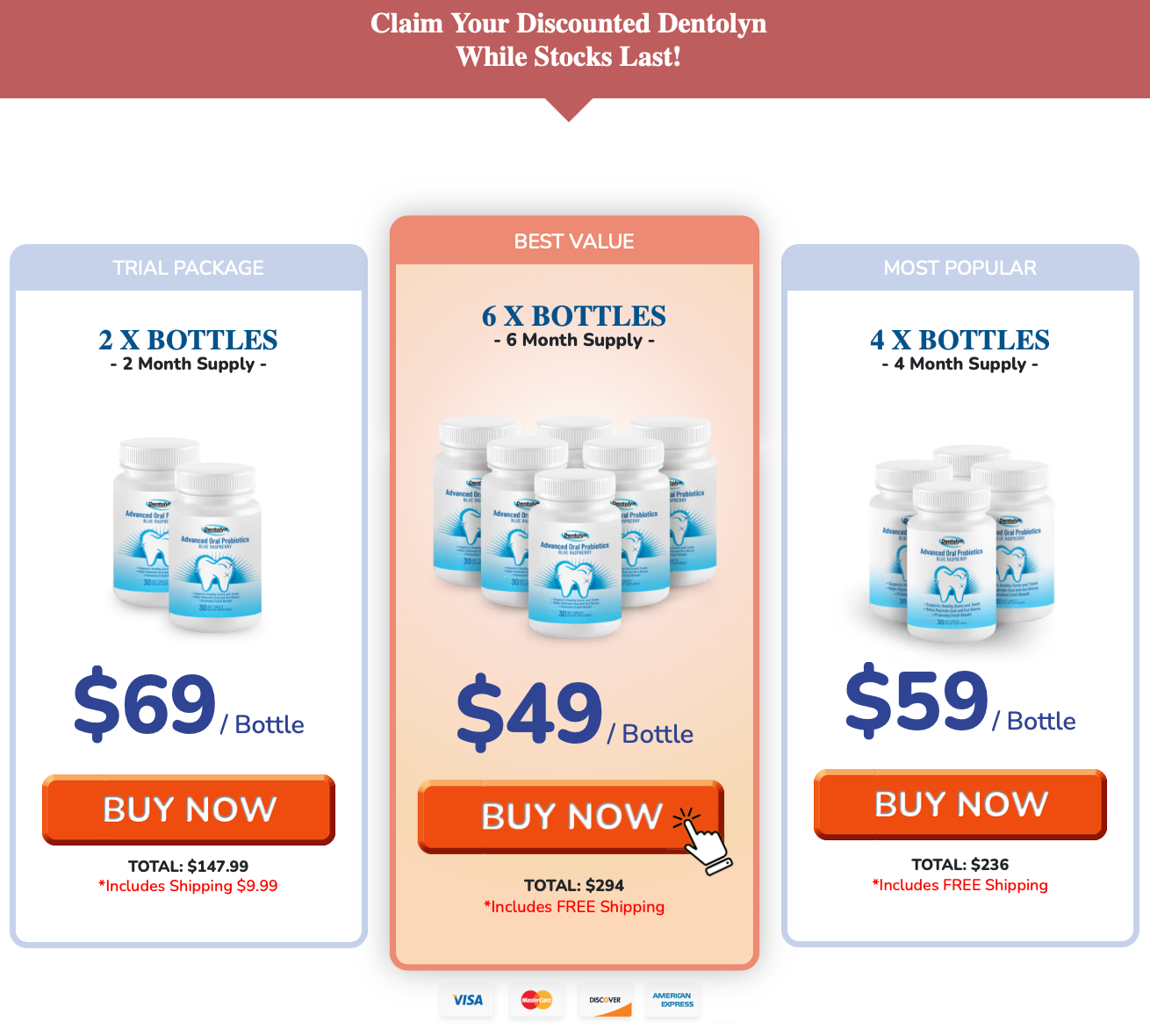
View Current Dentolyn OfferAffiliate disclosure: if you use our product link, this site may earn a commission. Commercial relationships do not change the evidence standards used on this page.

Recent reviews support xylitol for reducing plaque accumulation and mutans streptococci in some settings. Evidence that it directly prevents dental caries is less consistent, and results vary by delivery method, dose, frequency and study design.
A 2025 meta-analysis found xylitol-containing sweets reduced plaque index and plaque quantity versus controls across included trials.
A 2025 systematic review found reductions in mutans streptococci in most xylitol-gum studies compared with sorbitol gum.
A 2024 systematic review concluded that xylitol's preventive effect against caries could not be confirmed conclusively across the included human trials.
The evidence is positive for some intermediate oral-health outcomes, but not every outcome is equally established.
A meta-analysis of randomized trials reported significant reductions in plaque index and plaque mass with xylitol-containing sweets compared with controls.
Most included studies found lower mutans streptococci with xylitol gum than with sorbitol gum. Plaque reduction was also reported in a majority of plaque studies.
Nine human clinical trials were reviewed, but differences in dose, duration and populations prevented a conclusive finding that xylitol prevents dental caries.
Evidence from gum or candy should not be transferred automatically to tablets, powders or multi-ingredient supplements without a matching dose and delivery pattern.
A headline such as “xylitol supports oral health” is too broad unless these details are considered.
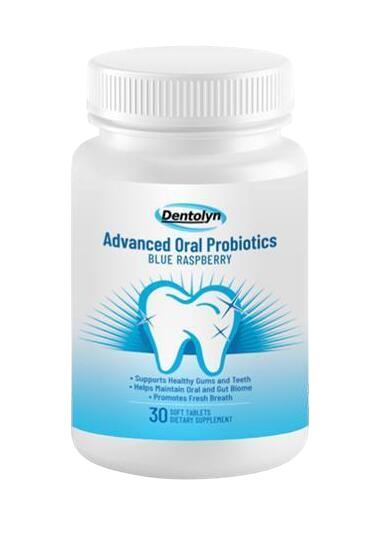
The reviewed Dentolyn formula includes xylitol. That makes xylitol evidence relevant to ingredient evaluation, but the product should not be assumed to match gum or candy studies unless the xylitol amount, frequency and delivery pattern are comparable.


Price, package size and refund terms may affect the buying decision, but none establish that the product reproduces xylitol trial outcomes.
If Dentolyn fits your oral-health routine, confirm the current label and serving information. Xylitol is a relevant ingredient, but product-level conclusions still require product-level evidence.
Check Current Dentolyn OfferXylitol is a sugar alcohol used as a sweetener in foods and oral-care products. In dentistry, it has been studied for decades because cariogenic bacteria do not metabolize it in the same way as fermentable sugars such as sucrose. Depending on the delivery format, xylitol products may also stimulate saliva, which adds another potential oral-health effect.
That does not mean every xylitol product is equivalent. A chewing gum used several times per day creates repeated oral exposure and stimulates chewing-related salivary flow. A tablet swallowed once daily may create a very different exposure pattern.
A 2025 systematic review and meta-analysis evaluated randomized controlled trials of xylitol-containing sweets and dental plaque accumulation. The pooled analysis reported significant reductions in plaque index and plaque quantity compared with control groups. The authors concluded that xylitol-containing gummy or candy formats may have a beneficial effect on plaque accumulation.
The finding is useful, but it remains format-specific. The intervention was not a generic dietary supplement. The study designs involved xylitol-containing sweets with repeated oral contact.
A 2025 systematic review specifically examined xylitol chewing gum and compared it with polyol control gums. Across the included evidence, 12 of 14 mutans streptococci studies reported significantly lower counts with xylitol gum than with sorbitol gum. Plaque accumulation decreased in six of ten plaque studies, while caries occurrence was lower in three of five caries trials.
The authors considered the evidence strongest for mutans streptococci and plaque rather than for a direct, universally demonstrated caries-prevention effect.
Mutans streptococci are a group of bacteria strongly associated with cariogenic plaque ecology. They can metabolize sugars and tolerate acidic environments, making them relevant to caries risk. Reducing their abundance may be useful, but bacterial counts are still an intermediate outcome rather than a guarantee that cavities will not develop.
Caries is multifactorial. Tooth susceptibility, fluoride exposure, diet frequency, saliva, oral hygiene, existing restorations and many other factors influence whether a lesion develops.
The strongest answer is that the evidence remains mixed. A 2024 systematic review assessed nine human clinical trials and concluded that xylitol's preventive effect against dental caries could not be confirmed conclusively. The studies varied in participants, duration, dose and intervention protocol.
This is an important example of why intermediate outcomes and clinical outcomes should be kept separate. Xylitol may reduce plaque or mutans streptococci in certain settings without every trial showing a measurable reduction in caries.
Recent evidence is more favorable here. Both the 2025 plaque meta-analysis and the xylitol-gum systematic review support reductions in plaque accumulation in many included studies. An earlier systematic review also found plaque reductions in most xylitol-gum trials, while xylitol candies were less consistent.
This again shows that product format matters. Chewing gum may combine xylitol exposure with mechanical chewing and saliva stimulation.
Saliva is critical to oral health because it clears food debris, buffers acids and supplies minerals and proteins. Chewing gum stimulates salivary flow independently of xylitol. This means some benefits of xylitol gum may reflect both the ingredient and the delivery format.
Recent literature in older adults and people with disabilities also suggests that xylitol gum may improve dry-mouth symptoms and salivation in some populations, but these findings should not be generalized to every person or every xylitol product.
No. Xylitol is not a probiotic organism. It does not introduce a live bacterial strain into the mouth. Its relevance lies in how oral bacteria interact with it and, depending on format, in its effect on saliva and oral exposure patterns.
This distinction matters because xylitol evidence and oral-probiotic evidence involve different mechanisms and should not be blended into one claim.
It is more accurate to say that xylitol may alter ecological pressure within the oral environment than to say it directly feeds beneficial bacteria. Some cariogenic bacteria cannot use xylitol efficiently for acid production, which may reduce their competitive advantage under repeated exposure.
The broader oral microbiome remains complex. A more favorable environment depends on hygiene, diet, saliva, smoking exposure and other factors in addition to one sweetener.
There is no single dose that can be transferred across all oral-health outcomes and delivery systems. Studies use different total daily amounts and frequencies. Some protocols spread xylitol across several daily exposures, which may matter more than taking the same total amount at once.
For this reason, a product label that simply lists xylitol without clearly disclosing the amount makes it difficult to compare that product with clinical research.
Like other sugar alcohols, xylitol can cause gastrointestinal symptoms such as gas or loose stools when consumed in larger amounts, especially in people who are not accustomed to it. Tolerance varies by dose and individual.
Oral-care use generally involves smaller amounts than some food uses, but consumers should still consider total dietary exposure from gums, candies, supplements and other products.
Dentolyn includes xylitol in the reviewed formula, so xylitol is one of the more directly relevant ingredients for the oral-health positioning of the product. However, the available project materials do not establish that Dentolyn delivers the same xylitol dose or exposure pattern used in the most supportive gum and candy studies.
The defensible claim is therefore that Dentolyn contains an ingredient with oral-health research behind it. The stronger claim that Dentolyn itself reduces plaque, suppresses mutans streptococci or prevents caries would require finished-product evidence.
Start with the intended outcome. If the goal is saliva stimulation, a chewing format may be relevant. If the goal is repeated xylitol exposure, frequency and dose matter. If the goal is caries prevention, fluoride exposure, brushing, interdental cleaning, diet and dental risk assessment remain central.
Then compare the actual product with the research. Check the xylitol amount, serving frequency, delivery format and study population. Avoid relying on the ingredient name alone.
Effects of Xylitol-laced Sweets on the Accumulation of Dental Plaque: A Systematic Review and Meta-Analysis. Published in 2025. PMID 40580666. The meta-analysis reported significant reductions in plaque index and plaque quantity with xylitol-containing sweets.
Specific effects of xylitol chewing gum on mutans streptococci levels, plaque accumulation and caries occurrence: a systematic review. Published in 2025. PMID 40731400. Most mutans streptococci studies and several plaque studies favored xylitol gum over sorbitol controls.
Is xylitol effective in the prevention of dental caries? A systematic review. Published in 2024. PMID 39544205. The review concluded that a preventive effect against dental caries could not be confirmed conclusively across the included human trials.
Multifaceted benefits of xylitol in oral health: from caries prevention to periodontal therapy. Published in 2026. PMID 41960539. This review discusses xylitol across caries, plaque, salivary flow, periodontal and other oral-health contexts while calling for more standardized clinical research.
Dentolyn contains xylitol, but the best evidence comes from specific delivery formats and study protocols. Confirm the current label, serving directions, package options and guarantee terms before deciding.
Check Current Dentolyn Offer