Morning
Brush thoroughly, clean the tongue if coated, hydrate and avoid starting the day with repeated sugary drinks or snacks.
A useful oral-microbiome routine is not about sterilizing the mouth. It is about controlling plaque, supporting saliva, limiting repeated sugar exposure, cleaning the tongue where needed, avoiding tobacco and using adjuncts only when they serve a clear purpose.
Use these tools to revisit or compare this page as part of your oral-health research.
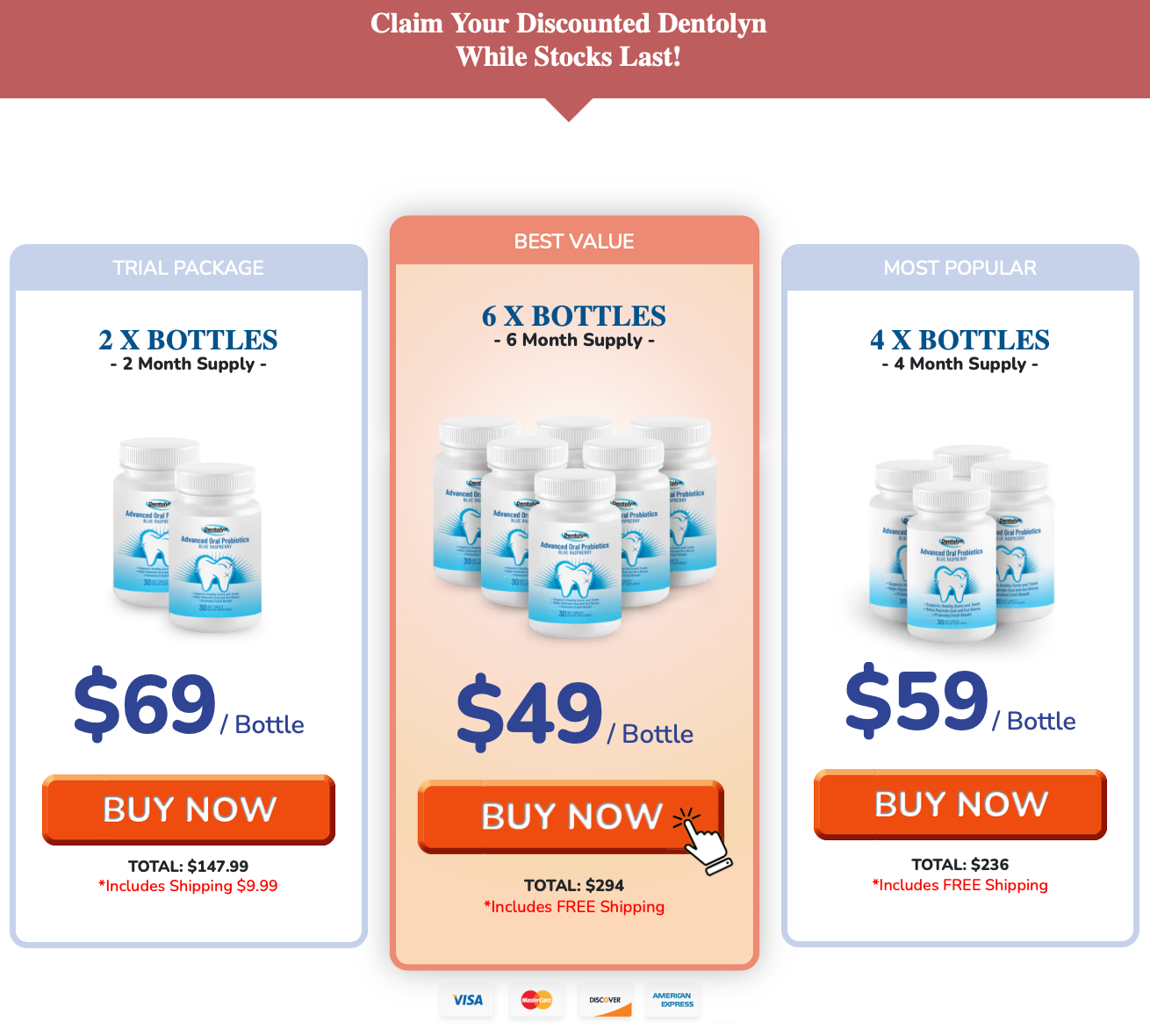
Brushing, interdental cleaning, saliva support, lower sugar frequency and regular dental care do more foundational work than any supplement. Dentolyn can be considered as an optional oral-health layer after those habits are in place.
View Current Dentolyn OfferAffiliate disclosure: if you use our product link, this site may earn a commission. Commercial relationships do not change the evidence standards used on this page.

The most practical routine is simple enough to repeat every day. The exact products can vary, but the biological goals stay similar: disrupt plaque, preserve saliva, reduce repeated acid pressure and address persistent symptoms early.
Brush thoroughly, clean the tongue if coated, hydrate and avoid starting the day with repeated sugary drinks or snacks.
Use water as the default drink, keep sugar exposures less frequent, support saliva and avoid tobacco.
Clean between teeth, brush all surfaces carefully and address any gum bleeding, pain or persistent bad breath rather than ignoring it.
There is no single intervention that controls the entire oral microbiome. Daily oral health is built through several complementary actions.
Dental plaque is a structured biofilm. Regular physical disruption prevents mature biofilm from remaining undisturbed around teeth and gums.
Saliva clears debris, buffers acids and supports the chemical conditions in which oral microbial communities live.
Repeated fermentable-carbohydrate exposure can favor acid-producing organisms and prolong low-pH conditions inside plaque.
Xylitol, strain-specific probiotics or broader oral-health supplements can be considered for defined goals, but they should not replace the basic routine.
The aim is consistency rather than an overly complicated protocol.
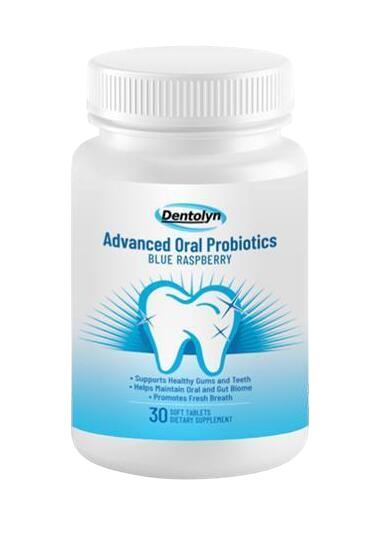
Dentolyn can be placed after the hygiene, diet and saliva layers. The reviewed formula includes xylitol, vitamin C and other ingredients relevant to oral-wellness discussions, but it should not be described as a replacement for brushing, interdental cleaning or dental treatment.


Price, package size and refund terms may affect the buying decision. They do not change the evidence behind brushing, plaque control, saliva or diet.
If the product fits your oral-health goals, check the current formula and merchant terms. Use it as an optional adjunct within a routine that already addresses plaque, saliva, diet and dental care.
Check Current Dentolyn OfferThe oral microbiome changes continuously in response to meals, saliva, plaque accumulation, cleaning, smoking, medications and other exposures. A one-time intervention cannot control all of those variables. Daily habits matter because they repeatedly shape the environment in which oral microbial communities live.
A strong routine therefore combines mechanical plaque control, environmental support and selective adjuncts. The most important steps are also the least glamorous: brush effectively, clean between teeth, limit repeated sugar exposure, support saliva and obtain dental care when symptoms persist.
Begin by brushing all tooth surfaces carefully. A common mistake is to focus only on front surfaces while leaving the gumline, back teeth and inner surfaces less thoroughly cleaned. Using enough time to cover the whole mouth is more useful than rushing through a short brushing session.
If tongue coating is visible or morning breath is a recurring problem, gentle tongue cleaning can reduce retained debris and microbial substrates. This should be comfortable and should not cause bleeding.
Salivary flow falls during sleep, which is one reason morning breath is common. Drinking water after waking can restore oral moisture and help clear retained material. Hydration does not treat every cause of bad breath, but it is a practical first step when overnight dryness contributes.
Breakfast can set the tone for repeated oral acid exposure. Sugary cereals, sweetened coffee, juices and frequent snacking can create multiple fermentable-carbohydrate exposures before midday. The concern is not simply the number of grams of sugar. Repeated exposure gives plaque bacteria more opportunities to produce acid.
A more tooth-friendly pattern reduces the frequency of sugary exposures and favors nutrient-dense foods rather than constant grazing.
Saliva is a major regulator of oral ecology. Water, regular meals, chewing and management of dry-mouth triggers can help maintain normal salivary function. People with medication-related xerostomia or persistent dry mouth may need professional advice rather than simply increasing water indefinitely.
Sugar-free gum can stimulate salivary flow in people with functional salivary glands. Xylitol-containing gum may combine salivary stimulation with xylitol exposure, but study results from gum cannot be transferred automatically to non-chewing products.
Frequent fermentable carbohydrate exposure can favor acid-producing and acid-tolerant organisms within dental plaque. Sugary drinks sipped slowly over hours can therefore create a different oral environment from the same drink consumed with a meal.
Acidic drinks can also challenge enamel directly. Water remains the simplest default beverage for routine hydration.
Immediate brushing after every meal is not necessary for most people. The more important goal is consistent twice-daily brushing and interdental cleaning. After highly acidic foods or drinks, waiting before brushing may be sensible to avoid brushing softened enamel aggressively.
Rinsing with water after eating can help clear food residues without creating a complicated routine.
Evening cleaning is particularly important because saliva falls during sleep. Plaque and retained food left overnight remain in a lower-clearance environment for several hours.
Clean between teeth before or around the same time as brushing so that interdental plaque is not repeatedly missed. The exact sequence matters less than doing the job thoroughly and consistently.
Tongue cleaning is most useful when tongue coating or halitosis is present. The posterior tongue is a major microbial habitat and can retain proteins and microorganisms that contribute to volatile sulfur compound production.
A gentle scraper or brush can be used. Excessive scraping is unnecessary and can irritate the surface.
Mouthwash can serve specific purposes, including fluoride delivery, short-term antimicrobial therapy or breath support. However, it should not replace mechanical plaque control. Broad antimicrobial exposure can also alter microbial communities, which is why strong antiseptic products are best used for a clear indication.
For long-term routine use, choose a product based on the intended purpose rather than the assumption that killing more bacteria is always better.
Oral probiotics are being studied for halitosis, gingival outcomes and other oral-health questions. The important rule is strain specificity. Evidence involving Streptococcus salivarius K12 or another named strain does not automatically apply to a different organism.
A probiotic product should disclose the organism clearly enough to compare it with relevant studies. Dentolyn's reviewed formula does not identify a live probiotic strain and should not be described as an oral probiotic.
Xylitol has useful evidence for plaque and mutans streptococci in certain gum and confectionery formats, while direct caries-prevention findings are less consistent. Its role is therefore adjunctive rather than a replacement for fluoride, brushing or diet control.
Dentolyn contains xylitol in the reviewed formula, which provides an ingredient-level connection to oral-health research. However, its delivery pattern should not be assumed to match repeated xylitol-gum protocols.
Vitamin C is relevant to collagen synthesis and gingival tissues. Recent periodontal reviews report potentially favorable relationships with gum-health measures, particularly bleeding, while deeper periodontal outcomes remain less consistently improved.
Dentolyn contains vitamin C, but that does not establish that the finished product treats gingivitis or periodontitis.
Persistent dry mouth can raise caries risk, worsen breath and alter oral microbial conditions. Address hydration, medication effects and mouth breathing where relevant. If symptoms continue, seek dental or medical evaluation because salivary gland dysfunction and systemic conditions may need attention.
Smoking can alter oral microbial ecology, increase periodontal risk and impair host response. No supplement should be used as a strategy to offset continued tobacco exposure. Reducing or stopping smoking is a more important intervention than adding a microbiome-focused product.
There is no single interval that fits every person. Recall frequency depends on caries risk, periodontal status, existing dental work, age, smoking, dry mouth and other factors. People with active periodontal disease or high caries risk may need more frequent professional care.
The purpose of regular assessment is to detect disease before symptoms become severe and to adjust the home-care routine when plaque, bleeding or decay risk changes.
Dentolyn is best placed after the foundational layers. The reviewed formula includes xylitol, vitamin C, vitamin B6, iodine, chlorella and clinoptilolite zeolite. Those ingredients can be evaluated individually, but finished-product efficacy should not be inferred from ingredient research alone.
A practical sequence is: maintain hygiene, optimize diet and saliva, avoid tobacco, obtain professional care when needed, then consider an oral-health supplement if the formula, safety profile and commercial terms fit the user's goals.
Morning: brush thoroughly, clean the tongue if needed, drink water and begin the day without repeated sugary exposures.
Daytime: use water as the default drink, keep sugar frequency lower, support saliva and avoid smoking.
Evening: clean between teeth, brush carefully, inspect for persistent bleeding or discomfort and avoid going to bed with heavy plaque or food retention.
Ongoing: schedule dental care according to personal risk, investigate chronic dry mouth or bad breath, and use adjuncts only for a defined reason.
The routine draws on the broader evidence base already mapped across the MPS oral-health cluster: oral microbiome ecology and dysbiosis, plaque biofilm research, recent systematic reviews of diet and oral microbiota, xylitol evidence, vitamin C and periodontal research, halitosis and oral probiotic studies, xerostomia literature and smoking-related oral dysbiosis.
These areas support a consistent conclusion: oral health is best maintained through an integrated routine rather than through one ingredient or one product.
If Dentolyn fits your broader oral-health plan, confirm the current formula, serving directions, package pricing and guarantee terms before deciding. Keep the daily routine as the foundation.
Check Current Dentolyn Offer