Biofilm structure matters
Microorganisms in plaque communicate, compete and share a protective matrix that behaves differently from free-floating bacteria.
Dental plaque is not simply dirt on the teeth. It is a structured microbial biofilm. The practical goal is to control plaque accumulation and the conditions that drive harmful ecological shifts while preserving a healthy oral environment.
Use these tools to revisit or compare this page as part of your oral-health research.
Plaque control depends on brushing, interdental cleaning, diet, saliva and professional care. Supplements can sit alongside that routine, but they do not remove established plaque biofilm from tooth surfaces.
View Current Dentolyn OfferAffiliate disclosure: if you use our product link, this site may earn a commission. Commercial relationships do not change the evidence standards used on this page.

Plaque forms when microorganisms attach to tooth surfaces and build a structured community within a protective matrix. Small amounts can form quickly after cleaning. Problems increase when plaque matures, remains undisturbed, and is repeatedly exposed to conditions that favor acid production or inflammation.
Microorganisms in plaque communicate, compete and share a protective matrix that behaves differently from free-floating bacteria.
Frequent sugar, low pH, reduced saliva and poor plaque control can shift the community toward less favorable patterns.
Brushing and interdental cleaning physically disrupt plaque. This remains foundational even when antimicrobial or supplement products are used.
Recent work continues to support an ecological model in which plaque, site-specific microbial communities and host conditions interact.
A 2025 systematic review described periodontal disease in relation to oral microbiome alterations and therapeutic strategies aimed at restoring a healthier microbial balance rather than targeting a single organism.
A 2025 multi-site analysis found clear ecological differences among saliva, dental plaque and tongue coating. Plaque maintained a distinct biofilm-like structure, reinforcing the idea that oral sites should not be treated as microbiologically identical.
A 2025 systematic review and meta-analysis compared plaque scores after one or two minutes of toothbrushing and supports the practical importance of adequate brushing time for plaque control.
A 2026 review discusses targeted approaches to oral biofilm management, reflecting growing interest in controlling pathogenic biofilm functions while limiting disruption of the broader oral microbiome.
Plaque itself is expected to reform. The important issue is how much accumulates, how long it remains undisturbed and what environmental pressures shape it.
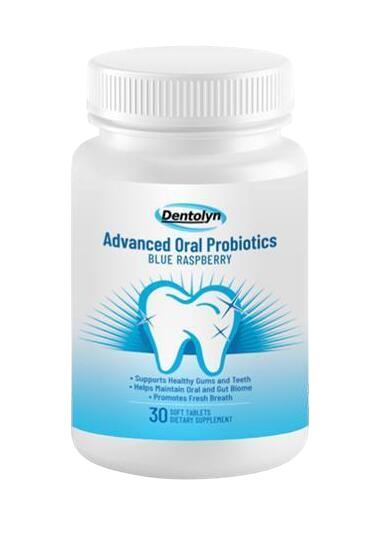
Dentolyn can be considered as an oral-health supplement within a broader routine. The reviewed formula includes xylitol and nutritional ingredients, but it should not be described as removing established dental plaque or replacing brushing, flossing, interdental cleaning or professional scaling.


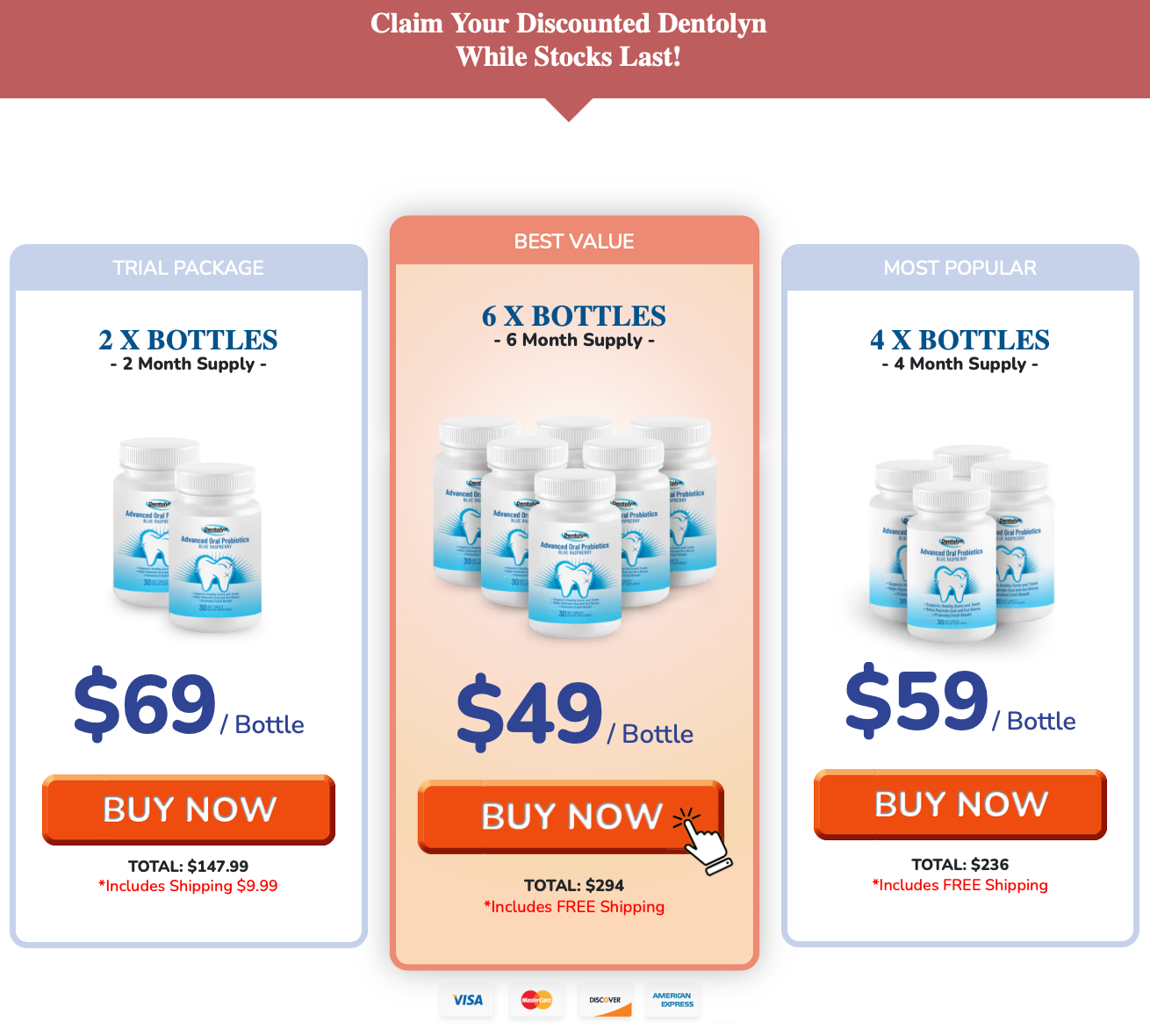
A refund guarantee and package discount can matter when buying, but neither establishes an effect on plaque or the oral microbiome. Confirm current merchant terms before purchase.
If Dentolyn fits your wider oral-health routine, check the current product page for formula, serving directions, pricing and guarantee details. Keep mechanical plaque removal and professional dental care as the foundation.
Check Current Dentolyn Offer
Dental plaque is a microbial biofilm that forms on tooth surfaces. Biofilms are organized communities of microorganisms embedded in a matrix that helps them attach to a surface and interact with one another. This makes plaque biologically different from free-floating bacteria in saliva.
Plaque begins to form again after cleaning because proteins from saliva coat the tooth surface and create a conditioning layer that microorganisms can attach to. Early colonizers are followed by additional species, and the community can become more complex as the biofilm matures. This process is normal. The clinical problem is not that plaque exists at all, but that excessive or mature plaque can create conditions associated with caries, gingival inflammation and periodontal disease.
The oral microbiome is not one uniform community. Different sites support different ecological niches. A 2025 study comparing saliva, supragingival plaque and tongue coating within the same individuals found clear site-specific differences. Plaque maintained a distinct biofilm-like structure, while saliva and tongue coating showed different ecological patterns.
This matters because a saliva sample does not perfectly represent the microorganisms attached to tooth surfaces. Likewise, the organisms involved in tongue coating and breath can differ from those dominating mature plaque at the gumline. Oral microbiome discussions are therefore most useful when they consider location as well as bacterial names.
As plaque remains undisturbed, its structure and local chemistry can change. Oxygen gradients develop, bacterial products accumulate and nutrients become available from both diet and the host. Repeated exposure to fermentable carbohydrates can lower plaque pH and favor acid-tolerant organisms. Around inflamed gums, changes in the local environment can support communities associated with periodontal disease.
This is the ecological plaque hypothesis in practical terms: disease can emerge when environmental pressures shift the balance and activity of the biofilm. The goal is not simply to identify one harmful species. It is to prevent the conditions that allow a disease-associated community to become established.
A 2025 systematic review on the oral microbiome in periodontal disease synthesized microbial associations and therapeutic implications. The review supports the broader view that periodontal disease involves community-level microbial changes together with host inflammatory responses. That is why treatment cannot be reduced to taking one supplement or eliminating one organism.
Professional periodontal care addresses plaque and calculus mechanically and manages the inflamed periodontal environment. Adjunctive microbial approaches may be studied alongside treatment, but they do not replace scaling, root surface debridement or other care when clinically indicated.
Brushing technique, coverage and consistency matter, and so does the time spent cleaning. A 2025 systematic review and meta-analysis compared plaque scores after one versus two minutes of toothbrushing. The evidence supports giving enough time to clean all tooth surfaces rather than relying on a very short brushing session.
Two minutes is commonly used as a practical benchmark because it provides time to move systematically around the mouth. Time alone is not enough, however. A person can brush for two minutes and still repeatedly miss the same surfaces. Technique and interdental cleaning remain important.
Toothbrush bristles cannot reliably access every interdental surface. Plaque that persists between teeth can mature and contribute to gum inflammation and decay risk. Floss, interdental brushes or another appropriate interdental method can therefore complement toothbrushing.
The most suitable method depends on spacing, dental work, dexterity and periodontal status. A dentist or hygienist can help select the method that fits the individual rather than assuming one tool is best for everyone.
Plaque bacteria metabolize dietary substrates. Frequent exposure to free sugars and other readily fermentable carbohydrates can create repeated periods of acid production. This matters because low pH favors organisms that tolerate and produce acid, contributing to an ecological pattern associated with caries.
Reducing how often teeth are exposed to sugary foods and drinks can therefore be as important as the absolute amount consumed. A diet pattern that limits repeated snacking and supports adequate nutrition can reduce one of the main environmental pressures acting on dental plaque.
Saliva helps dilute and clear dietary substrates, buffer acids and deliver minerals and proteins to the tooth surface. When salivary flow is reduced, plaque can remain in a more challenging environment for longer. Dry mouth can therefore increase oral-health risk even when brushing habits have not changed.
Persistent dry mouth deserves attention because it can be linked to medications, medical conditions, dehydration or other factors. Treating the cause is more useful than relying only on products designed to mask the sensation.
Antimicrobial mouthwashes can be useful for defined indications, but broad antimicrobial exposure can also alter microbial communities. A recent systematic review of antimicrobial mouthwash use reported microbial shifts with some formulations, particularly chlorhexidine. This does not mean chlorhexidine is inappropriate. It means therapeutic use should be matched to the clinical purpose and duration.
For routine daily plaque control, mechanical disruption remains fundamental. Mouthwash should not become a substitute for brushing or interdental cleaning.
The answer is more nuanced than a simple yes. Biofilm formation on teeth is expected, and oral microorganisms are part of normal biology. The problem is uncontrolled accumulation, maturation and ecological change. That is why the concept of balance is more useful than the idea of eliminating every bacterium.
Healthy oral care aims to keep plaque levels low, disturb biofilm regularly and avoid environmental conditions that favor damaging activity. This approach aligns better with current microbiome science than attempts to sterilize the mouth.
Some probiotic strains are being studied for caries, gingival and periodontal outcomes. Results vary by strain, dose, duration and delivery format. Evidence involving a named strain cannot be applied automatically to every oral probiotic and certainly not to products that do not contain a probiotic organism.
If a product is being considered specifically for microbiome modification, the label should identify the microorganism clearly enough to compare it with clinical research.
Xylitol is relevant to plaque ecology because certain cariogenic bacteria do not metabolize it in the same way as fermentable sugars. Its effects also depend heavily on delivery format, dose and frequency. Chewing-gum studies may combine xylitol exposure with saliva stimulation, so their results cannot automatically be transferred to a tablet containing xylitol.
Dentolyn includes xylitol in the reviewed formula, which makes the ingredient relevant to this page. However, the presence of xylitol does not establish that Dentolyn removes plaque or reproduces the effects of studied xylitol protocols.
Dentolyn is best positioned as a broader oral-health supplement that can sit alongside established oral-care habits. The current reviewed formula includes xylitol, vitamin C, vitamin B6, iodine, chlorella and clinoptilolite zeolite. None of those formulation facts should be converted into a claim that the product mechanically removes biofilm or treats periodontal disease.
If a user wants to add Dentolyn to a routine, the more defensible sequence is to keep brushing and interdental cleaning consistent, address diet and dry mouth where relevant, obtain professional care for persistent symptoms, then evaluate the supplement as an optional additional layer.
Once plaque mineralizes into calculus, normal brushing cannot remove it effectively. Persistent gum bleeding, swelling, recession, loose teeth, pain, pus, bad taste or increasing spaces between teeth can indicate problems that need professional assessment. Dental examination can distinguish routine plaque accumulation from gingivitis, periodontitis, decay and other conditions.
Oral microbiome science can explain why biofilm behavior matters, but it does not replace clinical diagnosis.
The Role of the Oral Microbiome in Periodontal Disease: A Systematic Review of Microbial Associations and Therapeutic Implications. Published in 2025. PMID 41364164. The review examines microbial community changes and therapeutic implications in periodontal disease.
Ecological and Functional Landscape of the Oral Microbiome: A Multi-Site Analysis of Saliva, Dental Plaque and Tongue Coating. Published in 2025. PMID 41597522. This study found distinct site-specific oral microbial ecosystems, including a plaque community with a characteristic biofilm-like structure.
Plaque scores after 1 or 2 minutes of toothbrushing: A systematic review and meta-analysis. Published in 2025. PMID 40200678. It evaluates the relationship between brushing duration and plaque removal.
Recent perspectives on precision-targeting therapy against oral biofilm. Published in 2026. PMID 42038981. This review discusses increasingly targeted approaches to oral biofilm management.
Oral Microbiome: A Review of Its Impact on Oral and Systemic Health. The supplied MPS project reference reviews oral dysbiosis, plaque-associated disease, halitosis and oral-health interventions.
If Dentolyn fits your broader oral-health plan, confirm the current formula, serving directions, package pricing, shipping and guarantee details on the merchant page before deciding.
Check Current Dentolyn Offer