Which organism and strain?
Probiotic effects are generally strain-specific. A species name alone may not be enough to justify transferring results between products.
Oral probiotics are live microorganisms selected for use in the mouth, but the evidence is strain-specific and delivery-specific. This guide explains what oral probiotics are, how they differ from gut probiotics, where research is promising, and why a product should not be called a probiotic unless its label actually discloses viable microbial strains.
Add this MPS page to your preferred source workflow or open it in an AI tool with the canonical source attached.
Affiliate disclosure: product links may earn this site a commission. Commercial relationships do not change the evidence standards applied on this page.
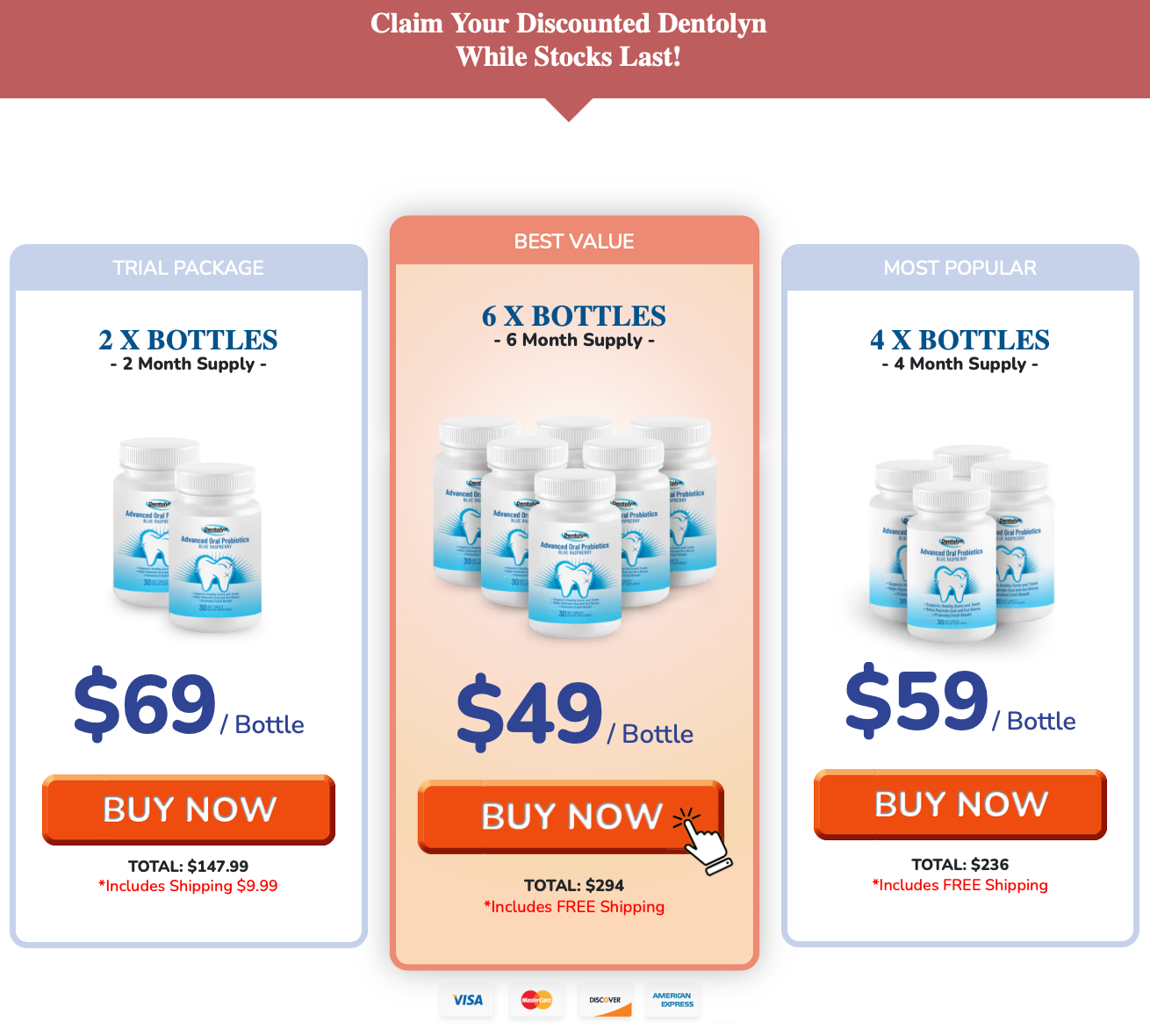
Dentolyn is positioned as an oral-health supplement. The formula reviewed for this project does not identify a live probiotic organism or named probiotic strain, so MPS does not classify the current formula as a probiotic product. Buyers interested specifically in oral probiotics should verify whether a product names the organism, strain, dose or viable count.
Check Current Dentolyn OfferPrice, shipping, label details and guarantee terms can change. Confirm the current merchant page before purchase.
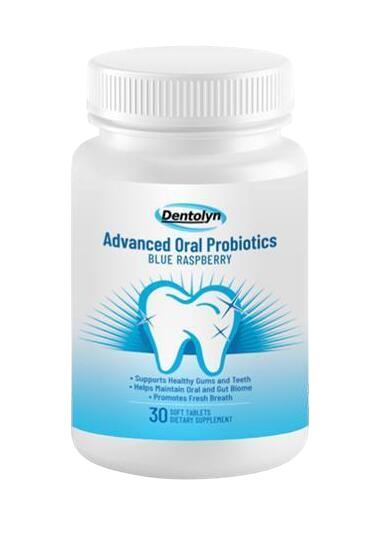
The current formula reviewed for this project includes ingredients such as vitamin C, vitamin B6, iodine, xylitol, chlorella and clinoptilolite zeolite. None of those ingredient names establishes the presence of a live probiotic strain.

A strong oral-probiotic label should tell you what microorganism is present and, where relevant, identify the strain. Research findings involving Streptococcus salivarius K12, for example, should not be transferred automatically to an unrelated product simply because both are described as oral-health supplements.
Oral probiotics are a category, not a single intervention. The strain, intended oral-health outcome and delivery method all matter.
Probiotic effects are generally strain-specific. A species name alone may not be enough to justify transferring results between products.
Halitosis, plaque, gingival inflammation and caries-related bacterial counts are different endpoints. Evidence for one should not be converted into a claim for another.
Lozenges, tablets, gums, rinses and foods create different contact times and exposures in the mouth, which can influence whether research applies to a commercial product.
Research is promising in several oral-health areas, but the strength of evidence varies and product-level conclusions require a formulation that actually matches the studied intervention.
Systematic reviews of randomized trials report improvements in volatile sulfur compounds and some organoleptic breath scores for selected oral-probiotic interventions. Heterogeneity and limited long-term follow-up remain important limitations.
Recent trials and reviews suggest selected strains may improve certain gingival or periodontal measures when used alongside established oral care. This does not mean every probiotic or every oral-health supplement has the same effect.
Research has examined whether probiotics influence organisms such as mutans streptococci. Changes in bacterial counts are not equivalent to proof that a product prevents dental caries.
A product without a disclosed live strain should not be described as clinically supported by oral-probiotic studies simply because it is sold for oral wellness.
When reading oral-probiotic research, pay attention to the full microbial name and the study context.

The supplied sales materials include a one-year money-back guarantee graphic. That can affect purchase confidence, but it does not establish that Dentolyn functions as a probiotic or produces a clinical oral-health outcome.


Dentolyn may still be considered as a broader oral-health supplement if its current formula and commercial terms fit your routine. The key is to evaluate it for what is actually disclosed, rather than importing evidence from unrelated probiotic strains.
View Current Dentolyn OfferOral probiotics are live microorganisms administered with the intention of influencing microbial ecology or health-related outcomes in the mouth. The concept is related to gastrointestinal probiotics, but the target environment is different. Oral tissues, saliva, tooth surfaces, the tongue and gingival areas create distinct ecological niches, and a microorganism that performs one function in the intestine should not automatically be expected to produce the same result in the oral cavity.
This distinction is important because the oral microbiome is not simply a collection of harmful organisms waiting to be removed. It is a complex ecosystem containing commensal organisms, opportunistic organisms and microbial communities that change with pH, diet, saliva, hygiene, smoking, disease and medication use. A probiotic strategy therefore aims to influence the ecosystem rather than sterilize the mouth.
Gut probiotic products are commonly designed to survive passage through the upper gastrointestinal tract and act in the intestine. Oral probiotic products may instead be formulated to remain in contact with the mouth for a period of time, which is why lozenges, chewable tablets and dissolving formats are common in oral-health studies.
The microbial species can differ as well. Some oral-probiotic research focuses on organisms that naturally colonize or interact with the oral cavity. This is one reason a generic “probiotic” label is not enough. A capsule containing strains selected for digestive-health research should not automatically be assumed to have evidence for halitosis, plaque or gingival outcomes.
Halitosis is one of the most visible oral-probiotic research areas. Some randomized trials have measured volatile sulfur compounds, organoleptic breath scores or related markers after probiotic use. Systematic reviews published in 2025 reported promising findings for selected strains and interventions, while also emphasizing substantial heterogeneity between studies and limited long-term evidence.
The useful consumer lesson is narrow but practical: certain studied strains may have a role in breath-management strategies, but the result cannot be transferred to every oral-health supplement. Persistent bad breath can also arise from tongue coating, periodontal disease, dry mouth, smoking, diet, tonsillar conditions and non-oral causes, so identifying the cause remains more important than choosing a supplement based on a marketing category.
Researchers have also examined probiotics as adjuncts in gingivitis and periodontitis. Some trials report improvements in gingival indices, bleeding measures or periodontal outcomes when specific strains are used alongside conventional care. These findings are relevant to the research category, but professional plaque control and periodontal treatment remain the established foundation where disease is present.
Some probiotic studies assess whether interventions reduce mutans streptococci or other bacterial markers associated with dental caries. Lower bacterial counts can be interesting, but caries is a multifactorial disease influenced by sugar exposure, fluoride, saliva, oral hygiene, enamel susceptibility and other factors. A reduction in a microbial marker should not be rewritten as proof that a product prevents cavities.
Probiotic evidence is unusually sensitive to strain identity. Two products can contain organisms from the same species but use different strains with different functional characteristics. Research involving Streptococcus salivarius K12 does not automatically establish the same effect for M18, and neither can be generalized to a formula that does not contain S. salivarius at all.
This is one of the strongest reasons to read the Supplement Facts or equivalent label rather than rely on front-label wording. A credible oral-probiotic comparison should ask whether the exact strain used in a positive study is actually present in the commercial product being considered.
Marketing often suggests that beneficial organisms permanently repopulate the mouth. Human oral ecology is more complicated. Some administered organisms may persist temporarily, interact with existing biofilms or alter microbial activity without becoming permanent residents. Study protocols also vary in duration and in how long researchers follow participants after stopping the intervention.
For consumers, this means that phrases such as “rebuilds your oral microbiome” or “replaces bad bacteria with good bacteria” can be too simplistic unless supported by product-specific evidence. A more accurate expectation is that certain probiotic strains may influence selected microbial or clinical measures under particular conditions.
Delivery format can affect whether a probiotic meaningfully contacts oral surfaces. A lozenge that dissolves slowly may expose the tongue, saliva and tooth surfaces differently from a capsule swallowed immediately. Chewable products, gums and oral rinses create other patterns of exposure.
This is why a study using a particular lozenge should not be treated as proof for an unrelated capsule or tablet without considering whether the organisms, dose and contact pattern are comparable.
| Label question | Why it matters |
|---|---|
| Are the organisms named? | A product should identify what live microorganisms it contains. |
| Are strain designations provided? | Clinical evidence often applies at strain level rather than to an entire species. |
| Is viable count or another quantity disclosed? | Without quantity, it is difficult to compare the product with research protocols. |
| Is the count guaranteed through shelf life or only at manufacture? | Viability can change during storage. |
| Does the delivery method resemble the studied format? | Oral contact time may influence applicability of the evidence. |
| Are storage instructions clear? | Some probiotic organisms are sensitive to temperature or moisture. |
No. Probiotic research should be interpreted as adjunctive. Plaque removal, interdental cleaning, appropriate fluoride exposure, diet management, smoking avoidance and professional care remain central to oral health. A probiotic cannot repair untreated decay, remove calculus, restore lost periodontal attachment or diagnose the cause of persistent symptoms.
Users with ongoing bleeding, swelling, tooth mobility, pain, pus, unexplained ulcers or persistent halitosis should seek professional assessment rather than relying on a supplement.
Dentolyn fits this page as an example of why product classification matters. It is marketed for oral wellness, but the formula reviewed for this project does not identify a live probiotic strain. MPS therefore treats it as an oral-health supplement rather than borrowing evidence from probiotic trials.
That does not make the product irrelevant to an oral-health routine. Ingredients such as xylitol and vitamin C have their own oral-health research contexts, and the product may appeal to users seeking a once-daily oral-wellness supplement. The evidence basis, however, should be discussed ingredient by ingredient rather than through a probiotic claim that the disclosed label does not establish.
Start with the goal. If you specifically want a probiotic because you are interested in research on a named strain for breath or gingival support, then a product should disclose that organism and strain. If your goal is broader nutritional or oral-wellness support, a non-probiotic formula may still be relevant, but it should be evaluated using the evidence for its actual ingredients.
This avoids a common category error: choosing a product because of a research field that does not match its formula.
There is no single best strain for every oral-health goal. Different studies investigate different organisms, strains, endpoints and delivery methods. A better question is which strain has evidence for the specific outcome you care about.
Some selected strains have shown promising results in randomized trials and recent systematic reviews, particularly for volatile sulfur compounds and some breath scores. Evidence remains heterogeneous and should not be generalized to every product.
Some strains have been studied as adjuncts for gingival and periodontal outcomes. They do not replace plaque control, periodontal treatment or professional dental care.
The current formula reviewed for this project does not disclose a live probiotic organism or named probiotic strain. MPS therefore does not classify the current formula as an oral probiotic.
There is no universal requirement to combine them. Product selection should follow the intended health goal, the specific strain evidence and your broader health context.
Research on named probiotic strains is category evidence. It should not be represented as finished-product evidence for Dentolyn unless the current formula contains the studied strain and the evidence is applicable to the same product or formulation.
If you specifically want a probiotic, verify the live organism and strain. If you want broader oral-health supplementation and Dentolyn's disclosed ingredients and commercial terms fit your routine, check the current merchant information before ordering.
View Current Dentolyn Offer
Product links are affiliate links. This page does not diagnose or treat halitosis, gingivitis, periodontitis or dental caries and does not replace professional dental advice.