Plaque control
Dental plaque is a microbial biofilm. Regular brushing and interdental cleaning remain foundational for reducing plaque-associated gingival inflammation.
Gum health depends on plaque control, the oral microbiome, nutrition, smoking status, saliva, host inflammation and professional dental care. Supplements may play an adjunctive role, but persistent bleeding, swelling or recession deserves dental assessment rather than self-treatment alone.
Add this MPS page to your preferred source workflow or open it in an AI tool with the canonical source attached.
Affiliate disclosure: product links may earn this site a commission. Commercial relationships do not change the evidence standards applied on this page.
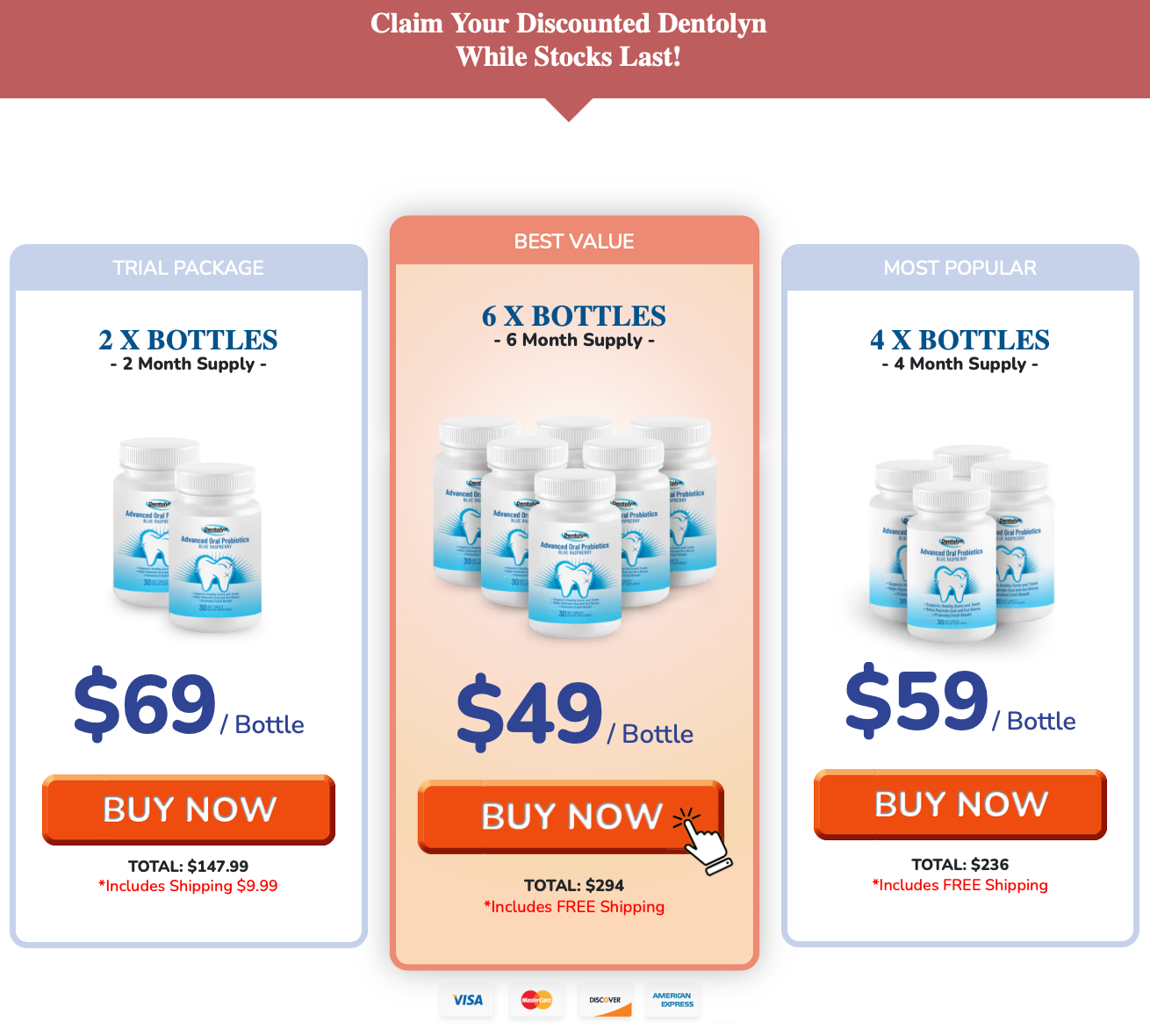
Dentolyn is marketed as a once-daily oral-health supplement. Its current disclosed formula includes vitamin C, vitamin B6, iodine, xylitol, chlorella powder and clinoptilolite zeolite powder. The formula can be evaluated as a commercial oral-health option, but it should not be presented as a treatment for gingivitis or periodontitis.
Check Current Dentolyn OfferVerify current price, shipping, label and guarantee terms on the merchant page before ordering.

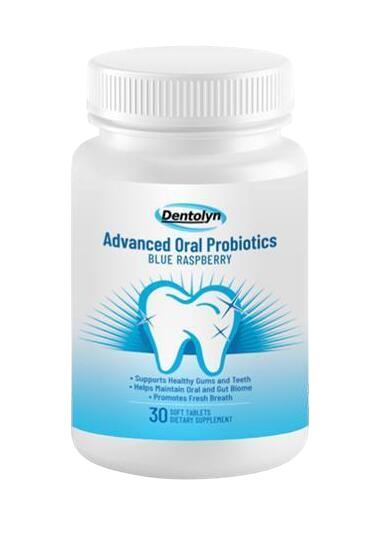
The product can sit alongside brushing, interdental cleaning, dietary attention and professional dental care. A supplement should never be used to delay assessment of persistent bleeding, swelling, gum recession, loose teeth or periodontal symptoms.

Gum redness or bleeding can reflect plaque-induced gingival inflammation, periodontal disease, irritation, smoking effects, nutritional factors or other health conditions. The right next step depends on the cause, not merely on choosing a supplement.
Evidence-led gum support begins with local plaque control and professional care, then considers nutrition, microbial balance and adjunctive options.
Dental plaque is a microbial biofilm. Regular brushing and interdental cleaning remain foundational for reducing plaque-associated gingival inflammation.
Persistent bleeding, pocketing, recession or loose teeth requires assessment because supplements cannot substitute for diagnosis and appropriate periodontal treatment.
Vitamin C status, dietary quality and tobacco exposure can influence periodontal tissues and inflammatory risk, but their effects occur within a wider clinical context.
Recent evidence supports cautious use of selected adjunctive approaches while keeping conventional periodontal care central.
A 2025 systematic review and meta-analysis evaluated probiotic adjuncts for gingivitis and periodontitis. The findings support potential benefit for selected clinical parameters, but strain, disease status, background treatment and study design matter.
In an eight-week randomized trial involving adults with gingivitis and incipient periodontitis, Weissella cibaria CMU improved gingival index and bleeding-on-probing versus placebo. That is strain-specific evidence and does not automatically transfer to other products.
A 2024 systematic review and meta-analysis found an association between higher vitamin C intake and better periodontal outcomes, but heterogeneity was high. Earlier reviews found improvement in some bleeding measures without clear gains in probing depth or attachment outcomes.
The current formula includes vitamin C, but no product-specific clinical evidence reviewed for this project establishes Dentolyn as a treatment for gingivitis or periodontitis.
Ingredient evidence should be interpreted separately from finished-product evidence.

The supplied sales page presents a one-year money-back guarantee. That may reduce commercial purchase risk, but it does not prove an oral-health outcome. Check the merchant's current terms at checkout.

Dentolyn may be considered as a broader oral-health supplement where its formula and current commercial terms fit your needs. Continue standard gum care and seek professional evaluation for persistent symptoms.
View Current Dentolyn OfferHealthy gums are generally firm, comfortable and not persistently inflamed or bleeding. Gingival tissues form part of the supporting environment around teeth, and their condition reflects the interaction of plaque biofilm, oral hygiene, immune response, smoking, nutrition, systemic health and professional dental care.
Occasional irritation can occur, but persistent bleeding during brushing or flossing should not simply be normalized. Gingivitis is commonly associated with plaque accumulation and can be reversible when the cause is controlled. Periodontitis is more serious because it involves deeper supporting structures and can lead to attachment loss, bone loss and tooth mobility. A supplement cannot determine which condition is present.
Dental plaque is not merely food debris. It is an organized biofilm containing microorganisms embedded in a structured matrix. When plaque accumulates near the gingival margin, ecological changes can favor inflammation-associated communities. The supplied 2024 oral-microbiome review describes periodontal disease through the shift from microbial symbiosis toward dysbiosis and host inflammatory responses.
This is why daily plaque control remains the first practical step. Brushing and interdental cleaning alter the local environment directly. Supplements act systemically or indirectly and therefore should be judged as adjuncts rather than substitutes for mechanical plaque removal.
For a broader explanation of microbial balance, see the Oral Microbiome Support guide.
Yes, nutritional status can influence periodontal tissues, but the relationship is not equivalent to saying that a supplement treats periodontal disease. Vitamin C is particularly relevant because it participates in collagen synthesis and antioxidant processes. Severe deficiency is well known to affect connective tissues and can contribute to gingival problems.
A 2024 systematic review and meta-analysis covering 16 studies and 17,853 participants reported an association between higher vitamin C intake and reduced periodontal-disease risk, while also noting very high heterogeneity across studies. That means the overall direction is relevant, but the size and causal interpretation of the effect require caution. Another systematic literature review reported improvements across some periodontal and gingival indicators with ascorbic-acid interventions, again supporting an adjunctive rather than stand-alone treatment role.
Earlier clinical evidence also provides an important limitation: vitamin C supplementation may improve bleeding measures in gingivitis, but evidence has not consistently shown meaningful improvements in probing depth or clinical attachment outcomes in periodontitis. That distinction matters when assessing supplements containing vitamin C.
Probiotics are being studied as adjuncts to conventional periodontal care because they may influence microbial ecology and host responses. A 2025 systematic review and meta-analysis evaluated their clinical effects in gingivitis and periodontitis. The results support potential benefits in selected clinical measures, but outcomes vary with strain, intervention duration, disease state and background therapy.
A 2026 randomized, double-blind, placebo-controlled trial provides a useful example of strain specificity. Eighty participants with gingivitis and incipient periodontitis received either Weissella cibaria CMU or placebo for eight weeks. The probiotic group showed greater reductions in gingival index and bleeding on probing, alongside changes in inflammatory markers and selected periodontal pathogens. No serious adverse events were reported during the study period.
That finding is encouraging for the studied strain. It does not establish that every product promoted around oral microbiome support will produce the same effect. The current Dentolyn formula reviewed for this project does not identify W. cibaria CMU or another named live probiotic strain, so this research must remain category evidence rather than Dentolyn efficacy evidence.
Dentolyn is best evaluated here as a broader oral-health supplement rather than a periodontal treatment. The current formula includes vitamin C, which has genuine periodontal relevance, plus several other ingredients with different evidence profiles. That gives the product a plausible nutritional connection to oral wellness but does not establish treatment of gingivitis or periodontitis.
For a buyer, the practical questions are therefore straightforward: Is the current label transparent? Does the formula fit the intended routine? Are the commercial terms acceptable? Is the user continuing ordinary dental hygiene? And are there any symptoms that require professional evaluation rather than supplementation?
Persistent bleeding should prompt attention to brushing technique, interdental cleaning, plaque accumulation and possible gingival inflammation. If bleeding continues, a dental examination can help determine whether the issue is gingivitis, periodontitis, local irritation or another cause.
Do not use a supplement to delay professional care when bleeding is recurrent or accompanied by swelling, pus, recession, pain, loose teeth, bad taste or tooth mobility. Those signs may indicate a problem requiring direct examination and treatment.
Yes. Smoking changes the oral environment, immune response and microbiome and is a major risk factor for periodontal disease. Importantly, smoking can also alter the visible inflammatory response, meaning that gum disease may be advanced even when obvious bleeding is less prominent. Reducing or stopping tobacco use has benefits that no supplement can replicate.
| Question | Why it matters |
|---|---|
| Is the main problem plaque-associated gingival inflammation? | If so, local plaque control and dental care are foundational. A supplement is secondary. |
| Does the product disclose meaningful ingredients and forms? | Transparent labels allow comparison with the actual evidence base. |
| Are probiotic strains named? | Probiotic periodontal evidence is strain-specific and cannot be generalized to unnamed formulations. |
| Does it contain relevant nutrients such as vitamin C? | Nutritional relevance can support a rationale, but it still does not establish treatment efficacy. |
| Are commercial terms separated from efficacy claims? | Price, guarantee and shipping affect value but do not prove clinical benefit. |
Some nutrients and adjunctive interventions have evidence relevant to periodontal tissues, but supplements work best as part of a broader oral-care plan. Plaque control and professional care remain central.
Vitamin C has clear biological relevance to connective tissues, and clinical literature suggests potential benefits in some gingival and periodontal measures. However, evidence does not support using vitamin C as a substitute for periodontal therapy.
Recent meta-analysis and randomized-trial evidence suggests that some specific strains can improve selected gingival measures. Those findings are strain-specific and should not be generalized to all oral-health supplements.
No. The current evidence reviewed for this project does not establish Dentolyn as a treatment for gingivitis or periodontitis.
Seek professional assessment for persistent bleeding, swelling, gum recession, pain, pus, loose teeth, tooth mobility or other ongoing periodontal symptoms.
Evidence concerning vitamin C or specific probiotic strains is ingredient/category evidence. It should not be represented as finished-product evidence for Dentolyn unless product-level clinical evidence supports that claim.
If Dentolyn's current formula and commercial terms fit your wider oral-health routine, use the merchant page to verify the current label, package options and guarantee before purchasing.
View Current Dentolyn Offer
Product links are affiliate links. This page does not diagnose or treat gingivitis or periodontitis and does not replace professional dental advice.