Support Healthy Mouth Bacteria and a More Balanced Oral Microbiome
A healthy mouth is not bacteria-free. It depends on a stable microbial ecosystem shaped by plaque control, saliva, diet, lifestyle and everyday oral care. This guide explains what oral microbiome balance means, what can disrupt it, and where supplements such as Dentolyn may fit without replacing brushing, flossing or professional dental care.
Save or follow this source
Add this page to your preferred research or AI workflow.
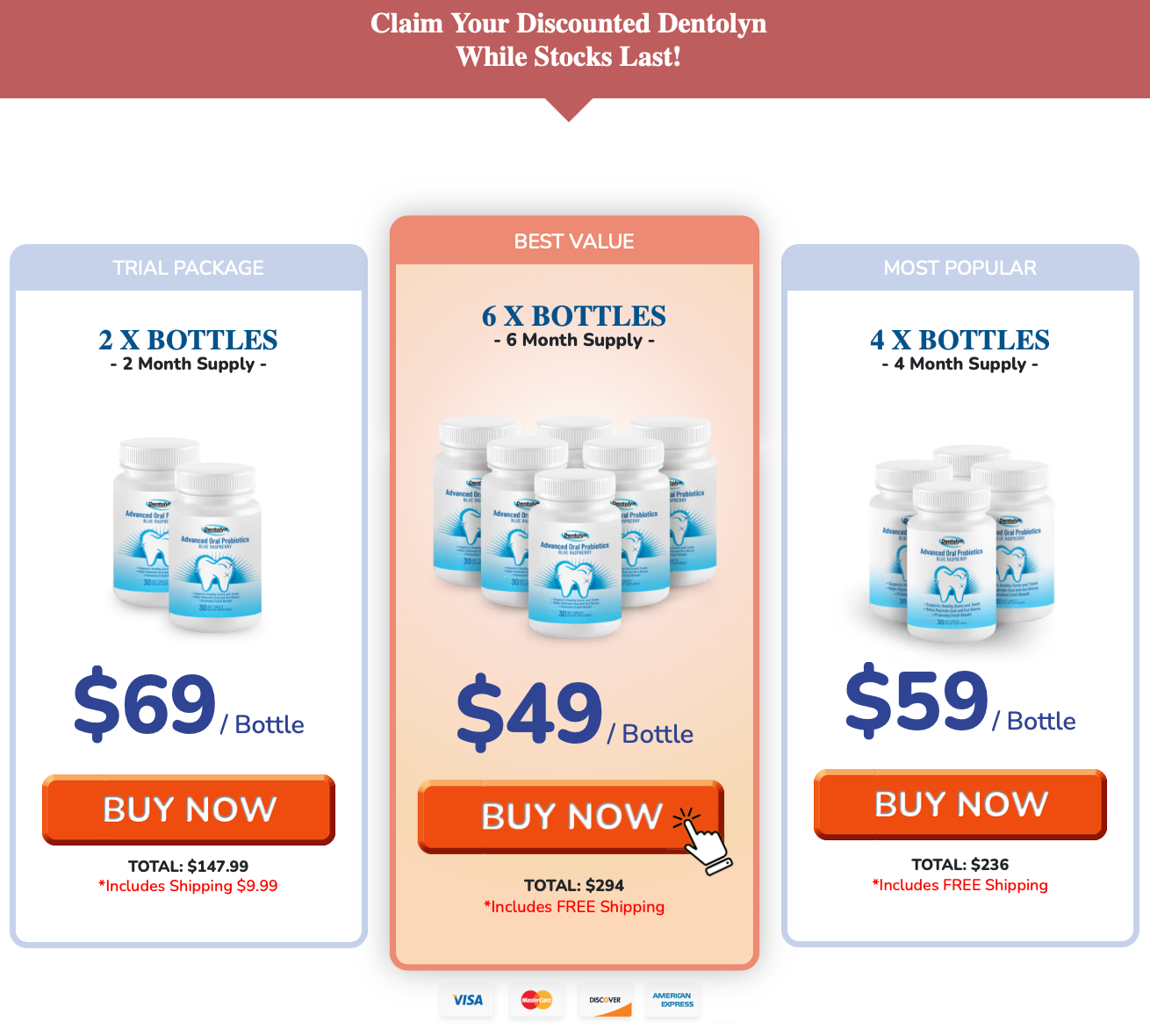
Choose Your Dentolyn Supply for Daily Oral-Wellness Support
The supplied offer artwork presents 2-, 4- and 6-bottle choices. Package pricing, shipping and refund terms can change, so confirm the live merchant page before purchase.
- Designed as a once-daily supplement format
- Positioned by the merchant for oral-wellness support
- Use alongside established oral hygiene, not instead of it
Affiliate disclosure: product links may generate a commission. Commercial relationships do not alter the evidence standards applied on this page.

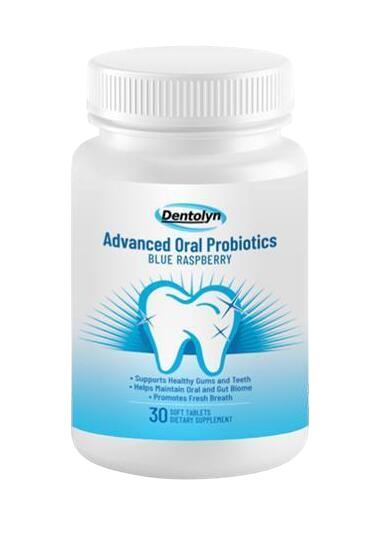
A Once-Daily Oral-Health Supplement Format
Dentolyn is presented in the supplied sales-page artwork as a 30-tablet dietary supplement. The current formula should be evaluated by its disclosed ingredients, dosage information and evidence rather than by category labels alone.

A Healthy Oral Microbiome Is an Ecosystem, Not a Sterile Mouth
Oral microbes live across the tongue, saliva, teeth, gingival areas and other niches. The practical goal is not to eliminate all microorganisms but to support an environment in which normal communities remain comparatively stable.
What Can Push the Oral Microbiome Toward Dysbiosis?
Dysbiosis describes disruption in the composition or function of the oral microbial community. It is better understood as an ecological shift than as one harmful species suddenly appearing.
Common pressures on balance
- inadequate plaque control
- frequent sugar and starch exposure
- dry mouth or altered saliva
- smoking and heavy alcohol exposure
- some medications and systemic illnesses
- untreated dental or periodontal problems
Common oral-health concerns associated with imbalance
- bad breath and tongue-coating concerns
- plaque and biofilm accumulation
- gingival inflammation and periodontal problems
- caries-promoting conditions
- oral candidiasis in susceptible contexts
Association with dysbiosis does not mean a supplement is proven to prevent or treat these conditions.
How the Current Dentolyn Formula Relates to Oral-Microbiome Support
The merchant-disclosed formula reviewed for this project includes vitamin C, vitamin B6, iodine, xylitol, chlorella powder and clinoptilolite zeolite powder. None of those facts by themselves establish finished-product clinical efficacy.

Consider the Guarantee Separately from the Health Evidence
The supplied sales-page material includes a one-year money-back guarantee graphic. A refund policy may reduce commercial risk, but it does not establish that a supplement will produce a particular microbiome or dental outcome.

Interested in Adding Oral-Wellness Support to Your Routine?
Use the current offer page to check package options and commercial terms. Keep the product in context: microbiome support is most credible when combined with effective plaque control, appropriate diet, good saliva management and professional dental care when needed.
Check Current Dentolyn OfferWhat Is the Oral Microbiome?
The oral microbiome is the community of microorganisms living throughout the mouth. It includes bacteria, fungi, archaea and viruses occupying distinct niches such as saliva, the tongue surface, dental plaque and gingival areas. These organisms interact with one another and with the host environment, including saliva, immune defenses, diet and oral hygiene. A healthy mouth therefore depends on ecological balance rather than on complete microbial elimination.
Modern sequencing research has strengthened this ecological view because investigators can now characterize microbial communities that were difficult to detect using culture alone. The result is a more nuanced understanding of common oral conditions. Dental caries and periodontal disease, for example, are increasingly interpreted in relation to shifts in community behavior, local pH, plaque ecology and host response rather than as simple infections caused by a single organism.
What Does Oral Dysbiosis Mean?
Oral dysbiosis refers to a disturbance in the composition or function of the oral microbial community. The key idea is that relationships among organisms and the surrounding environment change in ways that may favor acid production, inflammatory responses, biofilm maturation or overgrowth of less desirable organisms. Dysbiosis is therefore a descriptive ecological concept, not a diagnosis that can be confirmed by a supplement advertisement.
Common pressures include inadequate plaque removal, frequent fermentable-carbohydrate exposure, smoking, heavy alcohol use, changes in salivary flow, certain medications and systemic illness. These factors can alter oxygen availability, pH, nutrient supply and immune conditions inside the mouth. Supporting microbial balance consequently requires attention to the environment in which oral organisms live.
Can You Increase Good Bacteria in the Mouth?
It is reasonable to think in terms of supporting conditions that favor a healthier oral ecosystem, but the phrase “increase good bacteria” can oversimplify a complex community. Different organisms can behave differently depending on the site, pH, nutrient availability and neighboring species. A better practical strategy is to reduce conditions that favor dysbiosis and use interventions with evidence for the specific outcome being targeted.
Daily plaque control, limiting frequent sugar exposure, maintaining adequate saliva and avoiding smoking all influence oral ecology. Certain probiotic strains are also being studied for specific oral outcomes, but that evidence is strain-specific. A product without an identified live strain should not inherit the evidence of products or trials that used one.
How Do Bad Breath and Oral Microbiome Balance Connect?
Bad breath often originates in the mouth. Tongue coating, periodontal problems, dry mouth and microbial production of volatile sulfur compounds can all contribute. This makes microbial approaches scientifically relevant, but the underlying cause matters. A person with persistent halitosis may need dental or medical assessment rather than simply another supplement.
Research into selected oral probiotic strains has reported improvements in some halitosis measures. Those findings should remain separated from Dentolyn unless the exact product contains the studied strain, dose and delivery format. The Dentolyn formula reviewed for this project does not identify a named live probiotic organism.
Read Probiotics for Bad Breath →
How Does Gum Health Relate to the Oral Microbiome?
Gum health reflects interactions among plaque biofilms, host immune response, tissue condition, smoking, systemic health and oral hygiene. A disturbed biofilm environment can accompany gingival inflammation and periodontal disease, but treatment decisions belong in professional dental care rather than supplement marketing.
Nutritional factors can still be relevant. Vitamin C, for example, is important for collagen biology and periodontal tissues. The presence of vitamin C in Dentolyn is therefore meaningful as formulation context, but it is not evidence that Dentolyn treats gingivitis or periodontitis.
Do Oral Probiotics Support the Microbiome?
Oral probiotics are an active research category because selected live strains may interact with oral microbial communities. Studies commonly investigate strain-specific questions, including effects on halitosis, plaque-related outcomes and microbial composition. The evidence cannot be generalized to every product marketed with microbiome language.
The distinction matters here because the current Dentolyn ingredient disclosure reviewed for this project does not list a named live probiotic strain. The safest classification is therefore an oral-health supplement whose ingredients may be relevant to oral wellness, not a clinically validated probiotic formula.
Explore Oral Probiotics → Review Oral Probiotic Evidence →
Can the Oral Microbiome Affect the Gut?
Oral and gut microbial ecosystems are biologically connected. Humans swallow large numbers of oral microorganisms every day, and research has documented oral organisms in the gastrointestinal tract under some conditions. Changes in mucosal barriers, gastric acidity, disease states and host factors may affect microbial translocation.
That research supports an oral-gut axis as a serious scientific topic, but it does not show that an oral supplement automatically improves gut disease or systemic health. Product-level claims require product-level evidence.
What Practical Steps Support Oral Microbiome Balance?
A useful oral-microbiome routine begins with established oral care rather than supplements. Brush effectively with an appropriate toothpaste, clean between teeth, address persistent plaque accumulation, reduce frequent sugar exposure, maintain hydration and manage dry-mouth causes where possible. Tobacco avoidance and moderation of heavy alcohol exposure also reduce important ecological pressures.
Supplements can be considered as an additional layer. Evaluate whether the formula actually matches the intended goal, whether meaningful amounts are disclosed, whether evidence is ingredient-specific or product-specific, and whether the claims remain within realistic boundaries.
How Should You Evaluate Dentolyn for Oral-Microbiome Support?
| Question | Interpretation |
|---|---|
| Does the formula contain relevant oral-health ingredients? | Yes, the disclosed formula includes ingredients such as xylitol and vitamin C that have oral-health research context. |
| Does that prove finished-product efficacy? | No. Ingredient evidence and finished-product evidence are different levels of support. |
| Does the current disclosure identify a live probiotic strain? | Not in the formula reviewed for this project. |
| Can Dentolyn replace brushing, flossing or dental treatment? | No. It should be treated as adjunctive oral-wellness support. |
| What should be checked before buying? | Current label, serving instructions, package price, shipping, refund terms and personal health context. |
When Should You Seek Professional Dental Care?
Do not rely on a supplement when symptoms suggest an unresolved oral-health problem. Persistent bleeding gums, swelling, tooth pain, loose teeth, unexplained mouth lesions, significant dry mouth or continuing bad breath despite good hygiene warrant professional assessment. The goal is to identify and address the cause rather than simply cover the symptom.
Frequently Asked Questions
What is the best way to support a healthy oral microbiome?
Start with effective plaque control, appropriate diet, adequate saliva, tobacco avoidance and regular dental care. Supplements may be used as an additional layer when their formula and evidence fit the intended goal.
Is Dentolyn a probiotic?
The current ingredient disclosure reviewed for this project does not identify a named live probiotic organism. This page therefore describes Dentolyn as an oral-health supplement rather than assuming it contains studied probiotic strains.
Can Dentolyn fix oral dysbiosis?
The supplied materials do not establish finished-product evidence for a treatment or correction claim. Oral dysbiosis is a complex ecological concept influenced by hygiene, diet, saliva, smoking, health status and other factors.
Can oral microbiome support help fresh breath?
Microbial factors can contribute to halitosis, and some strain-specific probiotic studies are encouraging. The cause of bad breath should still be assessed when it persists.
Can supplements replace professional dental care?
No. Supplements are adjunctive and should not delay evaluation of persistent symptoms.
Continue With the Most Relevant Next Question
Research References
Manufacturer materials support product identity and commercial facts. Independent research supports the oral-microbiome and ingredient context.
- Rajasekaran JJ, et al. Oral Microbiome: A Review of Its Impact on Oral and Systemic Health. Microorganisms. 2024;12:1797. doi:10.3390/microorganisms12091797
- Systematic review of probiotics for halitosis, indexed in PubMed. PubMed 40951721
- Systematic review of xylitol and dental caries prevention, indexed in PubMed. PubMed 39544205
- Systematic review of vitamin C and periodontal health, indexed in PubMed. PubMed 39201285
Commercial facts should be rechecked immediately before deployment because package terms and merchant language can change.
Take the Next Step Toward a Better-Supported Oral Care Routine
If Dentolyn's current formula, package options and commercial terms fit what you are looking for, use the merchant page to confirm the latest details before purchasing.
View Current Dentolyn Offer
Product links are affiliate links. This page does not diagnose, prescribe or replace professional dental advice.