Daily plaque control
Brushing and interdental cleaning physically disrupt biofilm on teeth and around the gum line. This remains the foundation for both caries and gum-disease prevention.
Strong teeth and healthy gums depend on daily plaque control, fluoride or other evidence-based enamel care, nutrition, saliva, diet and regular dental assessment. Supplements may support a broader routine, but they should not replace brushing, interdental cleaning or treatment of decay and gum disease.
Add this MPS page to your preferred source workflow or open it in an AI tool with the canonical source attached.
Affiliate disclosure: product links may earn this site a commission. Commercial relationships do not change the evidence standards applied on this page.
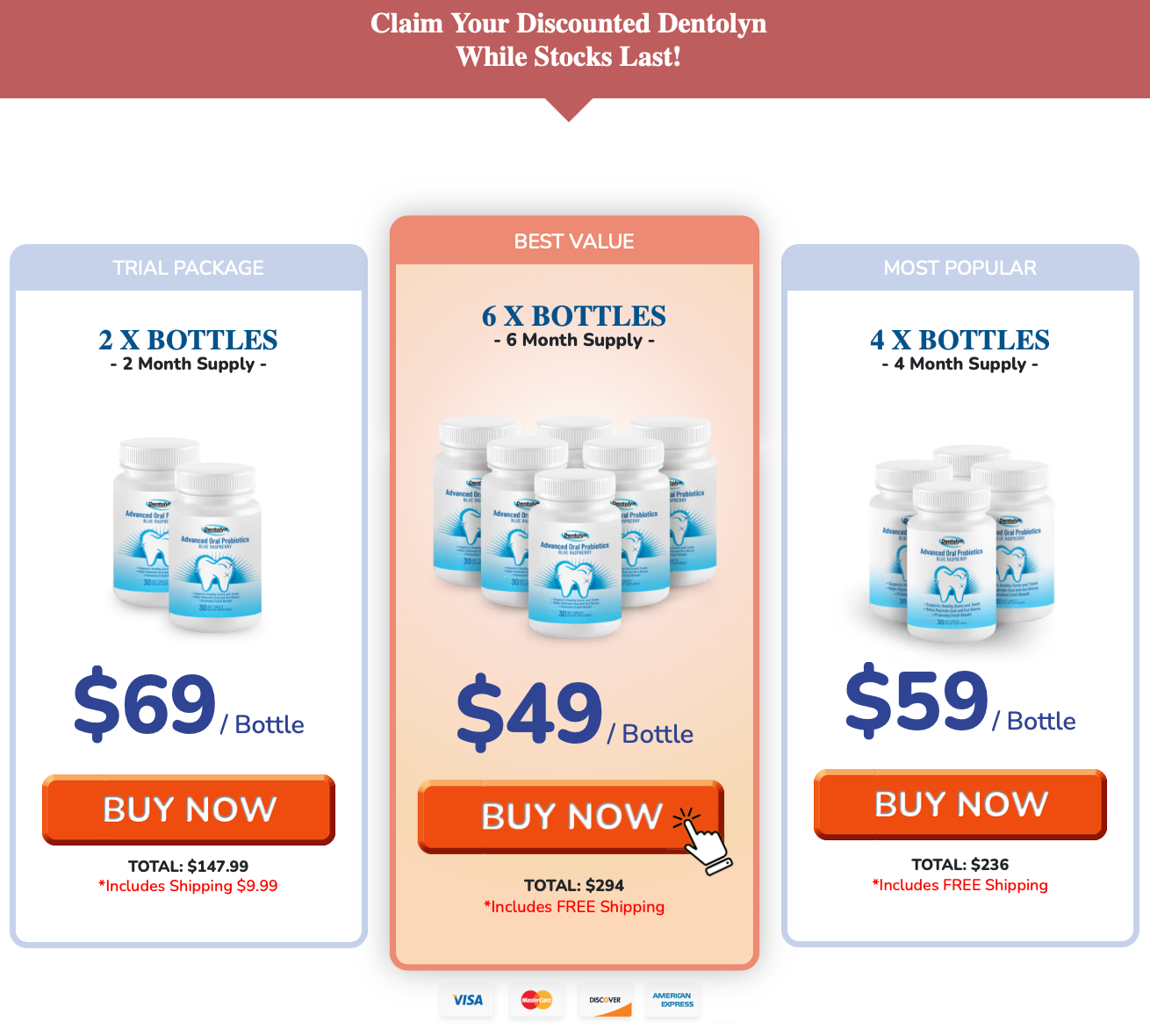
Dentolyn is marketed as a once-daily oral-health supplement. Its currently disclosed formula includes vitamin C, vitamin B6, iodine, xylitol, chlorella powder and clinoptilolite zeolite powder. These ingredients can be evaluated within a broader oral-health routine, but the product should not be presented as a treatment for cavities, enamel loss, gingivitis or periodontitis.
Check Current Dentolyn OfferVerify current price, shipping, label and guarantee terms on the merchant page before ordering.

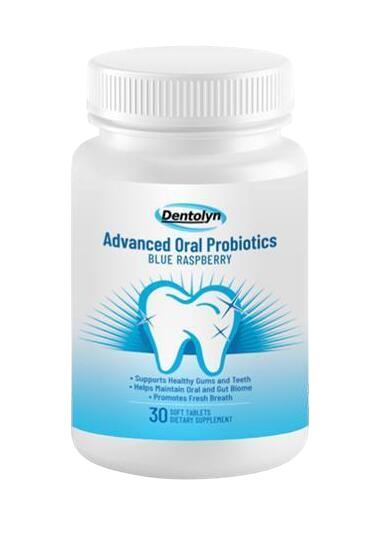
A daily supplement can complement brushing, interdental cleaning, appropriate toothpaste, dietary control and routine dental visits. It should not be used to delay assessment of pain, sensitivity, visible decay, persistent bleeding, swelling or loose teeth.

Teeth need protection against demineralization and caries, while gums need plaque control and periodontal stability. The same oral microbiome connects both, but no single supplement can replace the different preventive measures required for enamel, gingiva and periodontal tissues.
Evidence-led oral care combines local plaque control, enamel protection, diet and professional assessment before considering adjunctive products.
Brushing and interdental cleaning physically disrupt biofilm on teeth and around the gum line. This remains the foundation for both caries and gum-disease prevention.
Fluoride toothpaste remains a well-established caries-prevention tool. Hydroxyapatite and other approaches are being studied, but supplement use should not displace established topical care.
Frequent sugar exposure, dry mouth, smoking, medication effects and untreated dental disease can materially change oral risk. These factors often matter more than adding a supplement.
Recent research supports selected adjunctive strategies, but outcomes depend on the exact intervention, dose, delivery method and target problem.
A 2025 systematic review found lower mutans streptococci counts in 12 of 14 studies comparing xylitol gum with sorbitol gum, with plaque reduction in 6 of 10 studies. Caries findings were less consistent, reinforcing the need to separate bacterial and plaque effects from guaranteed cavity prevention.
A 2025 review of clinical evidence reported reductions in Streptococcus mutans with several named probiotic strains and some improvements in caries-related outcomes. Effects varied by strain, dose, delivery method and study population.
The supplied 2024 oral-microbiome review describes caries and periodontal disease as ecological problems involving microbial communities, host responses, diet and plaque biofilm rather than a single-organism explanation.
The formula contains xylitol and vitamin C, but no finished-product clinical evidence reviewed for this project establishes Dentolyn as a preventive treatment for dental caries, gingivitis or periodontitis.
Ingredient evidence can support a rationale, but it should not be converted into finished-product clinical claims.

The supplied sales page presents a one-year money-back guarantee. That may reduce commercial purchase risk, but it does not prove a dental or periodontal outcome. Confirm the merchant's current terms at checkout.

Dentolyn may be considered as a broader oral-health supplement where its formula and commercial terms fit your needs. Continue brushing, interdental cleaning, enamel-protective care and professional dental assessment as appropriate.
View Current Dentolyn OfferHealthy teeth and gums are related, but they are not the same biological problem. Tooth enamel is a mineralized surface exposed to acids, dietary sugars, saliva and plaque biofilm. Gum tissues surround and support teeth and respond to plaque accumulation, inflammation, smoking, nutrition and systemic factors. Good oral care therefore combines enamel protection with plaque control and periodontal maintenance.
Healthy teeth are generally free of active decay, fractures and untreated infection. Healthy gums are usually firm, comfortable and not persistently bleeding or swollen. A person can have strong-looking teeth but inflamed gums, or relatively healthy gums alongside hidden caries. This is why a supplement-focused approach is too narrow on its own.
Dental plaque is an organized microbial biofilm. On tooth surfaces, acid-producing bacteria can contribute to repeated demineralization when fermentable carbohydrate exposure is frequent. Along the gingival margin, plaque accumulation can shift microbial communities and contribute to gingival inflammation. The supplied 2024 oral-microbiome review describes these problems through an ecological framework in which dysbiosis, biofilm behavior and host responses interact.
Mechanical plaque disruption therefore remains central. Brushing reaches broad tooth surfaces and the gum line, while interdental cleaning targets areas that toothbrush bristles may not clean effectively. A supplement can support nutrition or other aspects of a routine, but it does not physically remove plaque.
For the broader ecology, see the Oral Microbiome Support guide.
Enamel health depends on the balance between demineralization and remineralization. Acid exposure from bacterial metabolism can remove minerals from enamel, while saliva and topical fluoride can help shift the balance toward remineralization. This is one reason established topical care remains more directly relevant to enamel than most swallowed supplements.
Fluoride toothpaste remains a standard evidence-based measure for caries prevention. The supplied oral-microbiome review also discusses hydroxyapatite toothpaste as an emerging fluoride-free option with promising evidence, but topical approaches and oral supplements should not be treated as interchangeable.
Xylitol has been studied for decades in oral health, particularly in chewing gum and confectionery. A 2025 systematic review found that xylitol gum reduced mutans streptococci counts in most included studies and reduced plaque accumulation in several trials. Caries outcomes were directionally favorable in some studies but were not uniformly significant across all trials.
This matters for Dentolyn because xylitol appears on the disclosed ingredient list. However, the evidence base is highly dependent on delivery method, exposure frequency and dose. Results from repeated xylitol-gum use cannot automatically be transferred to a once-daily tablet unless product-specific evidence demonstrates comparable exposure and outcomes.
A 2024 systematic review also concluded that a preventive effect of xylitol against dental caries could not be confirmed consistently. Taken together, the best interpretation is that xylitol has relevant oral-health evidence, especially for bacterial and plaque outcomes, but should not be marketed as a guaranteed cavity-prevention ingredient.
Probiotic research is expanding beyond bad breath and gingival measures into caries-related outcomes. A 2025 systematic review of studies published through January 2025 reported that several named probiotic strains reduced Streptococcus mutans levels, and some studies reported fewer new carious lesions or improved salivary immune markers. The review also emphasized variability by strain, dose, delivery method and population.
That specificity is important. The current Dentolyn ingredient list reviewed for this project does not identify a live probiotic organism or named probiotic strain. Evidence for Lactobacillus rhamnosus, Lactobacillus paracasei, Bifidobacterium lactis or other studied organisms therefore should not be presented as direct evidence for Dentolyn.
Gums and deeper periodontal tissues help support teeth. Gingivitis involves inflammation of the gingiva and is often reversible when plaque is controlled. Periodontitis involves deeper tissues and can lead to attachment loss, bone loss and tooth mobility. Protecting the long-term function of teeth therefore means protecting both enamel and periodontal support.
Persistent bleeding, recession, swelling, bad taste, pus, loose teeth or increasing spaces between teeth should not be managed through supplements alone. Those signs warrant professional assessment.
For a deeper gum-focused guide, see Gum Health Support.
Nutrition matters, but it operates differently across oral structures. Vitamin C is directly relevant to collagen synthesis and connective tissues, making it more obviously connected to gum health than to enamel remineralization. Calcium, vitamin D and broader dietary adequacy also matter to skeletal and dental biology, but supplementation should reflect actual nutritional needs rather than a assumption that more is always better.
Frequent sugar exposure is especially important because it repeatedly supplies fermentable carbohydrate to acid-producing plaque bacteria. Reducing frequency of sugary snacks and drinks can therefore be more impactful for caries risk than adding a supplement without changing dietary patterns.
Saliva helps buffer acids, lubricate tissues, wash away food particles and support remineralization. Dry mouth can increase caries risk and make oral comfort and breath more difficult to manage. Causes include medications, dehydration, systemic disease and salivary-gland conditions.
Xylitol gum can stimulate saliva through chewing, which is another reason evidence from gum formulations may not transfer directly to tablets. If dry mouth is persistent, identifying the cause is more important than simply adding an oral-health supplement.
Dentolyn fits best as an adjunctive oral-wellness product within a larger daily routine. Its disclosed formula contains ingredients with varying degrees of oral-health relevance, particularly xylitol and vitamin C. That creates a plausible rationale for use by someone seeking broad oral-health support, but it does not establish that the product prevents cavities, remineralizes enamel or treats gum disease.
A careful buyer should separate three questions: Is the formula relevant to the goal? Does the evidence apply to the same ingredient form and exposure? Are the price, guarantee and serving format acceptable? This approach allows positive commercial positioning without overstating clinical certainty.
| Question | Why it matters |
|---|---|
| Is the primary concern enamel, gums, breath or microbiome balance? | Different problems require different evidence and different first-line care. |
| Does the product disclose ingredients and forms? | Transparent labels allow meaningful comparison with the research literature. |
| Is xylitol delivered in a way comparable with studied products? | Many positive xylitol studies involve repeated chewing-gum exposure, not once-daily tablets. |
| Are probiotic strains actually named? | Probiotic evidence is strain-specific and should not be generalized to products with no disclosed live strains. |
| Are commercial terms separated from health claims? | Price, guarantee and shipping affect value but do not prove efficacy. |
Use regular brushing with an appropriate toothpaste, clean between teeth, limit frequent sugar exposure, maintain adequate saliva, avoid tobacco and attend dental examinations. Supplements can be adjunctive but should not replace those measures.
Xylitol has relevant evidence for mutans streptococci and plaque reduction, particularly in chewing-gum studies. Evidence for direct caries prevention is less consistent, so claims should remain qualified.
Some specific probiotic strains have reduced cariogenic bacterial levels and shown promising caries-related outcomes in recent reviews. The evidence remains strain- and delivery-specific and does not apply automatically to products without those strains.
No. The current evidence reviewed for this project does not establish Dentolyn as a clinically proven caries-prevention product.
Seek professional assessment for persistent pain, sensitivity, visible decay, swelling, recurrent bleeding, gum recession, loose teeth, broken teeth, pus or other ongoing oral symptoms.
Evidence concerning xylitol, vitamin C or specific probiotic strains is ingredient/category evidence. It should not be represented as finished-product evidence for Dentolyn unless product-level clinical evidence supports that claim.
If Dentolyn's current formula and commercial terms fit your wider oral-care routine, use the merchant page to verify the current label, package options and guarantee before purchasing.
View Current Dentolyn Offer
Product links are affiliate links. This page does not diagnose or treat dental caries, enamel loss, gingivitis or periodontitis and does not replace professional dental advice.