Microbial shifts
Reviews identify changes in multiple oral bacterial groups in tobacco users, with enrichment of taxa associated with inflammatory and periodontal environments.
Smoking can alter oral microbial communities, shift the periodontal environment toward a more pro-inflammatory state and increase risk for gum disease. The most important intervention is reducing or stopping tobacco exposure rather than trying to compensate for smoking with supplements.
Use these tools to revisit or compare this page as part of your oral-health research.

Smoking-related oral dysbiosis is driven by tobacco exposure itself. Supplements can support a broader oral-health routine, but they do not neutralize the microbial, inflammatory or periodontal effects of continued smoking.
View Current Dentolyn OfferAffiliate disclosure: if you use our product link, this site may earn a commission. Commercial relationships do not change the evidence standards used on this page.

Systematic and narrative reviews report differences in oral microbial diversity, abundance and function between smokers and non-smokers. These changes are most clinically important because smoking is also a major risk factor for periodontal disease and can impair host responses.
Reviews identify changes in multiple oral bacterial groups in tobacco users, with enrichment of taxa associated with inflammatory and periodontal environments.
Smoke exposure can alter oxygen conditions, immunity, inflammation and tissue response, changing the environment in which oral microbes live.
Smoking-related dysbiosis is especially relevant around the gumline, where it can interact with periodontal inflammation and treatment response.
The literature consistently supports smoking as an important modifier of oral microbial communities, although exact taxonomic findings vary across sampling methods and populations.
A 2026 narrative review describes tobacco-related changes in the oral microenvironment, including reduced oxygen conditions and shifts toward more pathogenic bacterial patterns associated with periodontitis and inflammation.
A 2025 review describes smoking-induced microbial dysbiosis in the oral cavity, respiratory tract and gut, linking these shifts with chronic inflammation, immune modulation and metabolic changes.
A systematic review of 36 studies found altered diversity and abundance in tobacco users, including enrichment of Fusobacteria, Actinobacteria, Streptococcus, Prevotella and Veillonella in multiple studies.
Evidence about smoking-related dysbiosis does not establish that Dentolyn or any oral-health supplement can reverse the microbial or periodontal effects of continued tobacco use.
Smoking affects both microbes and the host environment in which they live.
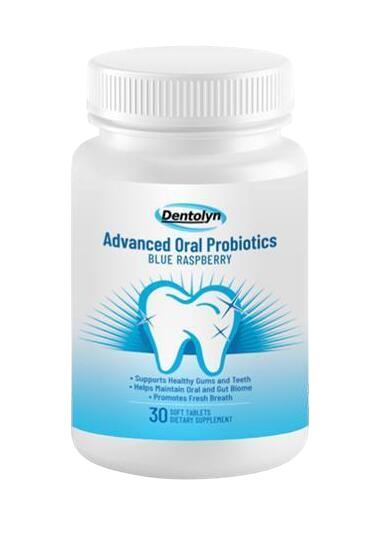
Dentolyn can be considered as an optional oral-health supplement, but it should never be presented as protection against smoking-related oral harm. Continued tobacco exposure remains the dominant modifiable risk factor in this context.


A refund policy can affect purchase confidence, but it has no bearing on whether a product prevents smoking-related gum disease or microbial dysbiosis.
If Dentolyn fits your broader routine, confirm the current formula and merchant terms. Keep smoking reduction or cessation, plaque control and professional dental care as the primary priorities.
Check Current Dentolyn OfferSmoking exposes oral tissues and microbial communities to heat, chemicals, nicotine, oxidants and other combustion products. These exposures can affect the host tissues directly while also changing the ecological conditions in which oral microorganisms live.
The result is not one universal “smoker microbiome.” Different studies sample saliva, tongue, plaque or subgingival sites and use different sequencing methods. Even so, systematic reviews consistently report that tobacco use is associated with measurable shifts in microbial community composition and function.
A systematic review of 36 studies examining healthy adult tobacco users reported that most studies found increased bacterial diversity and richness in tobacco users. Recurrent taxonomic changes included enrichment of Fusobacteria and Actinobacteria at the phylum level and Streptococcus, Prevotella and Veillonella at the genus level.
The review also found functional differences, including increased amino-acid metabolism and xenobiotic biodegradation pathways in tobacco users. Methodological heterogeneity remained substantial, so exact microbial signatures should not be treated as identical across all smokers.
Smoking is particularly important in periodontal microbiology because the subgingival environment already has low oxygen and a complex biofilm structure. Tobacco exposure can further alter local oxygen tension, host immunity and inflammation, creating conditions compatible with periodontal dysbiosis.
Older periodontal literature also reports that smoking-associated microbial differences can persist despite non-surgical periodontal treatment. This reinforces the clinical value of tobacco cessation alongside periodontal therapy.
A 2026 narrative review of tobacco-induced oral dysbiosis describes how cigarette chemicals and toxins can reduce local oxygen conditions, alter immune responses and shift the balance between commensal and potentially pathogenic organisms. The review links these changes with periodontitis, chronic inflammation and broader systemic effects.
The key message is that the microbial change is part of a larger host-environment interaction. Smoking modifies the ecology that supports dysbiosis rather than acting only through direct bacterial toxicity.
A 2025 review examining smoking-induced microbial dysbiosis across body sites highlights oral, respiratory and gastrointestinal changes. It discusses immune modulation, chronic inflammation and metabolic dysregulation as mechanisms connecting altered microbial communities with disease.
This broader perspective is useful, but it should not be used to claim that changing the oral microbiome alone will reverse smoking-related systemic risk.
Smoking can affect vascular and inflammatory responses in gingival tissues. Some smokers may show less visible bleeding despite significant periodontal destruction. This means the absence of dramatic bleeding does not guarantee healthy gums.
Regular periodontal assessment is therefore especially important for smokers and former smokers, particularly when there is recession, bad taste, tooth mobility or a history of gum disease.
Electronic cigarettes create a different chemical exposure from combustible tobacco, but they are not biologically neutral. Recent smoking-dysbiosis reviews increasingly consider both conventional and electronic cigarette exposures, with evidence suggesting that vaping can also alter host-microbiota interactions.
Direct equivalence should be avoided because device chemistry, aerosol composition and exposure patterns vary. The safest oral-health position is not to assume that switching to vaping eliminates microbiome-related risk.
Smokeless tobacco exposes oral tissues directly to nicotine and other chemicals for prolonged periods. The 2024 systematic review included multiple forms of tobacco and concluded that tobacco exposure broadly influences oral microbial community harmony.
Different products can produce different local conditions, so findings from cigarette smoking should not automatically be mapped onto every smokeless product.
Smoking cessation removes a major environmental pressure, which can allow oral tissues, immunity and microbial communities to move toward a healthier state. The speed and completeness of recovery depend on periodontal status, hygiene, age, smoking history and other factors.
Quitting does not reverse established periodontal destruction automatically, so professional care may still be required. However, removing tobacco exposure improves the environment in which treatment and daily oral care operate.
There is no adequate evidence that oral probiotics cancel the effects of continued smoking. Probiotic studies typically investigate specific strains and outcomes such as halitosis or periodontal measures under controlled conditions.
The more defensible approach is to treat probiotic or supplement use as an optional adjunct after addressing smoking exposure, plaque control and professional dental needs.
Dentolyn is positioned as an oral-health supplement. Its reviewed formula includes xylitol, vitamin C, vitamin B6, iodine, chlorella and clinoptilolite zeolite. Those ingredients do not establish protection against tobacco-related oral dysbiosis or periodontal disease.
For a smoker, the priority hierarchy is clear: reduce or stop tobacco exposure, maintain rigorous plaque control, attend regular dental examinations, address gum disease when present, then consider optional adjunctive products such as Dentolyn if desired.
Smokers should seek professional assessment for persistent bad breath, gum recession, loose teeth, swelling, pus, tooth mobility, unexplained oral lesions, persistent ulcers, white or red patches or changes that do not heal. Tobacco use increases risk for several oral diseases, so persistent changes should not be managed with supplements alone.
Tobacco-Induced Oral Dysbiosis and Microbial Shifts: A Narrative Review of Their Role in Systemic Inflammation and Disease. Published in 2026. PMID 42197489. This review examines tobacco-related changes in oral microbial balance, low-oxygen conditions, periodontal inflammation and systemic implications.
Smoking-induced microbial dysbiosis: a key driver of systemic diseases and emerging therapeutic opportunities. Published in 2025. PMID 41366206. This review discusses smoking-related microbial disruption in the oral cavity, respiratory tract and gut and links those changes with immune and inflammatory mechanisms.
Effect of different forms of tobacco on the oral microbiome in healthy adults: a systematic review. Published in 2024. PMID 38445094. Thirty-six studies were reviewed; most reported altered diversity or richness and shifts in multiple oral bacterial taxa among tobacco users.
Oral Microbiome: A Review of Its Impact on Oral and Systemic Health. The supplied MPS project reference identifies smoking as an important modifier of oral microbial balance and oral disease risk.
If Dentolyn fits your broader oral-health routine, confirm the current product information before deciding. Use it only as an adjunct, not as protection against continued smoking.
Check Current Dentolyn Offer