Research guide
Why Strain-Level Evidence Matters
The word probiotic describes a broad class of live microorganisms rather than a single therapeutic ingredient. Within a species, different strains can vary in adhesion, metabolite production, antimicrobial activity, survival, colonization potential and interaction with host tissues. A study using Streptococcus salivarius K12 therefore provides the strongest evidence for that strain under the conditions actually tested. It does not automatically validate every S. salivarius strain, every lozenge, or every supplement sold for breath support.
This distinction is especially important in oral health because delivery matters. A microorganism intended to act in the mouth may need sufficient contact with the tongue, saliva, gingival tissues or dental biofilm. A capsule swallowed quickly could create a different exposure pattern from a slowly dissolved lozenge. Study design, formulation and dosing schedule therefore affect how confidently results can be transferred to a commercial product.
What Does the Halitosis Evidence Show?
Halitosis is one of the better-studied oral-probiotic applications. A 2025 systematic review of randomized controlled trials included six studies and 360 participants. Five studies reported significant reductions in volatile sulfur compounds after probiotic intervention, while three reported improvements in organoleptic breath scores. The authors highlighted results involving strains such as Streptococcus salivarius K12 and Weissella cibaria, but they also stressed study heterogeneity and the lack of long-term follow-up.
A later 2025 systematic review and meta-analysis reached a broadly favorable pooled conclusion for volatile sulfur compounds and some breath outcomes. At the same time, it noted possible publication bias, limited sample sizes and substantial heterogeneity. The practical interpretation is therefore not that “probiotics cure bad breath.” A more defensible conclusion is that selected strains appear promising as adjuncts for some forms of intra-oral halitosis, but certainty varies and persistent bad breath still deserves evaluation for plaque, tongue coating, gum disease, dry mouth, smoking, diet and non-oral causes.
What About Gingivitis and Periodontitis?
Periodontal applications are also under active investigation. A 2025 systematic review and meta-analysis assessed probiotics in gingivitis and periodontitis. In periodontitis studies, probiotic groups showed improvements in some measures such as plaque index and bleeding on probing. Pocket-depth findings were more variable, and gingivitis evidence was less definitive. The authors characterized probiotics as a potentially beneficial adjunct rather than a replacement for periodontal treatment.
That distinction matters clinically. Mechanical plaque removal, professional periodontal therapy and daily oral hygiene remain the established foundations of care. A probiotic may influence microbial ecology or inflammatory markers, but it should not be positioned as a stand-alone treatment for periodontal disease.
Can Oral Probiotics Prevent Cavities?
Some studies report reductions in cariogenic bacteria such as Streptococcus mutans, but bacterial-count changes are surrogate outcomes. Lower bacterial counts do not automatically prove fewer cavities over time. Caries is multifactorial and depends on diet, fluoride exposure, saliva, plaque ecology, enamel susceptibility and behavior. Long-term clinical trials measuring actual caries incidence are more informative than short-term microbiological changes.
This is why evidence-based wording should distinguish between “may influence cariogenic bacterial counts” and “prevents cavities.” The first may be supported for specific strains and settings; the second requires stronger direct clinical evidence.
How Important Is Colonization?
One of the most interesting questions is whether oral probiotic strains persist after supplementation stops. Some studies detect changes in oral microbial composition during or shortly after use, while long-term colonization is much less certain. A transient organism could still exert useful effects while present, but sustained benefit cannot be assumed without follow-up data.
The 2025 halitosis review reported that several studies observed microbiome changes that persisted after the intervention period. That is encouraging, but it does not establish permanent colonization, and results can differ by strain, dose and host environment.
What Makes Oral-Probiotic Evidence Stronger?
Evidence becomes more persuasive when multiple randomized controlled trials examine the same strain, use comparable doses and delivery methods, measure clinically meaningful outcomes, include enough participants, report low risk of bias and follow participants long enough to assess persistence. Consistency across independent research groups is also important.
Evidence is weaker when studies are small, unblinded, short, use different strain combinations, measure only laboratory endpoints or rely heavily on manufacturer-sponsored research without independent replication. None of those factors automatically invalidates a study, but they affect how much weight the result should carry.
How to Read an Oral-Probiotic Product Label
If a product is being sold specifically as an oral probiotic, the label should ideally disclose the organism and strain rather than a vague proprietary blend. It should also provide enough information to understand the viable quantity, serving size, storage requirements and expiration conditions. Buyers should compare the disclosed strain with the strain studied for the outcome they care about.
For example, evidence involving S. salivarius K12 for breath support should not be generalized to an unlabeled mixture of bacteria. Likewise, evidence involving Weissella cibaria should not be treated as proof for an unrelated supplement simply because both are marketed for oral microbiome support.
Where Does Dentolyn Fit in This Evidence Map?
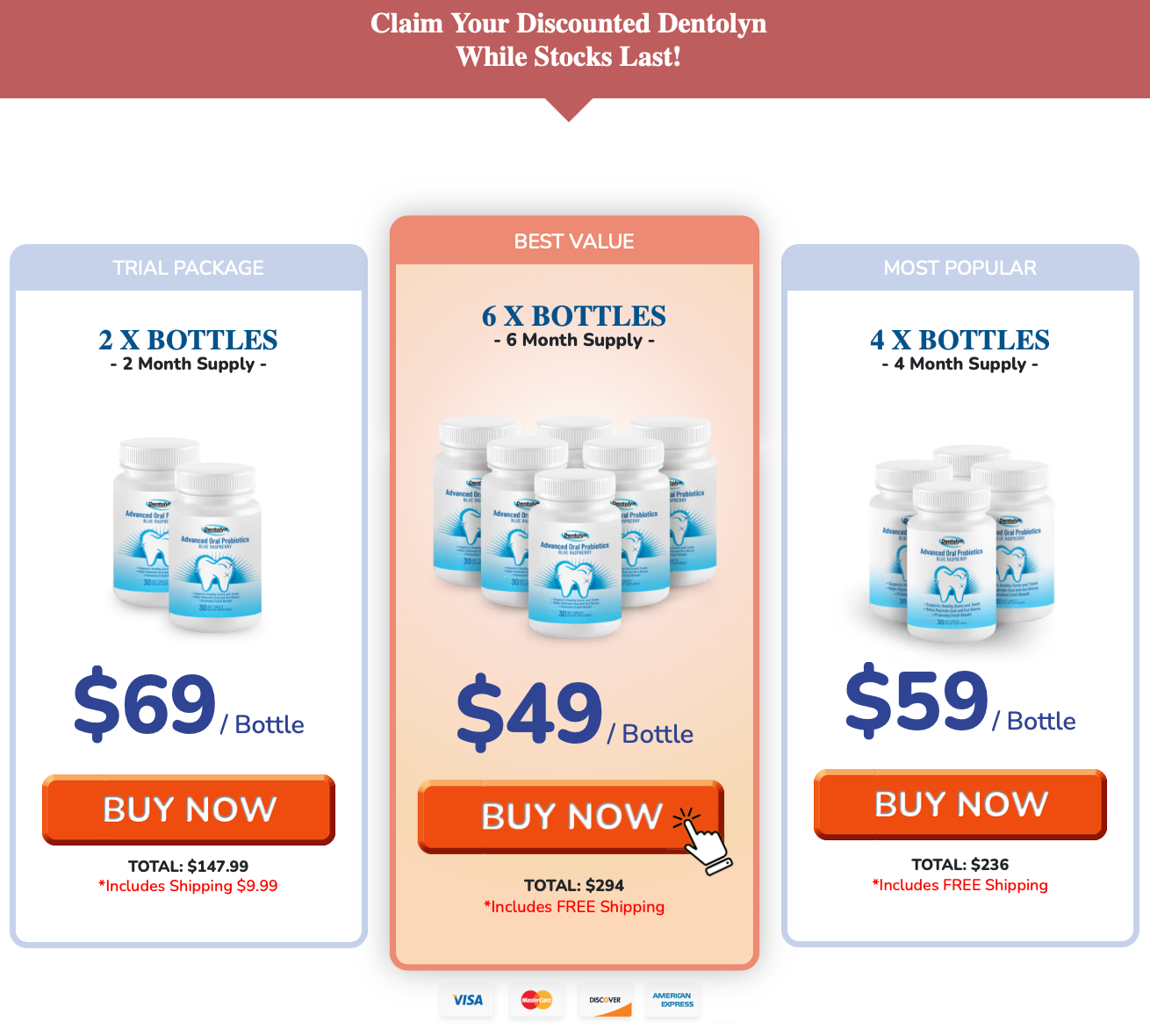
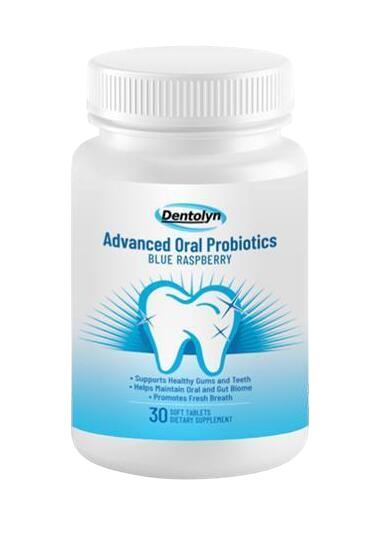
Dentolyn belongs in a different evidence category. The formula reviewed for this project does not identify a live probiotic strain, so MPS does not call the product an oral probiotic based on the available label information. Instead, Dentolyn can be evaluated as a broader oral-health supplement whose disclosed ingredients include vitamin C, vitamin B6, iodine, xylitol, chlorella and clinoptilolite zeolite.
That does not make probiotic research irrelevant. It helps readers understand the wider oral-microbiome category and clarify what evidence would be required before transferring probiotic claims to a finished product. The key rule is simple: category evidence can explain a scientific concept, but it cannot substitute for product-specific proof.
What Should Buyers Prioritize?
| Question | Why it matters |
|---|
| Does the label name the probiotic strain? | Evidence is often strain-specific, not merely species-specific. |
| Was that strain studied for your intended outcome? | Breath, gum health and cariogenic bacteria are different endpoints. |
| Was the study randomized and controlled? | Higher-quality study designs reduce several common sources of bias. |
| Was a clinical outcome measured? | Changes in bacterial counts are not the same as changes in symptoms or disease incidence. |
| Was the intervention long enough? | Short studies may not answer whether effects persist. |
| Does the sold product match the studied format? | Dose, viability and oral contact time can affect relevance. |
Safety and Practical Limits
Oral probiotics are generally well tolerated in studies involving healthy participants, and the 2025 halitosis systematic review reported no serious adverse effects in the included trials. That does not mean every product is appropriate for every user. People who are immunocompromised, seriously ill, pregnant, taking complex medication regimens or managing significant dental disease should discuss supplement use with an appropriate health professional.
Supplements should also not delay dental assessment. Persistent bleeding, swelling, tooth pain, loose teeth, unexplained oral lesions or continuing bad breath can indicate conditions that require professional evaluation rather than continued self-treatment.
Bottom Line
The evidence for oral probiotics is neither empty nor definitive. Selected strains have promising randomized and systematic-review evidence for halitosis and some periodontal outcomes. Other areas, including caries prevention and long-term colonization, remain less certain. The strongest buying decisions therefore come from matching a named strain, a studied dose and delivery method, and a clinically relevant outcome.
Dentolyn should remain outside that probiotic-evidence bucket unless a current authoritative label establishes the presence of a live probiotic strain. For now, it is more accurate to assess it as a broader oral-health supplement on the basis of its disclosed ingredients, commercial terms and any direct product evidence that becomes available.