
Reviews
Supplement Reviews Built Around Evidence, Not Testimonials
A product label can look impressive without showing whether the formulation actually matches the research behind its ingredients.
Save or follow this source
Add Male Performance Supplements to Google Preferred Sources or open this page in your preferred AI tool.
Direct answer: Our product reviews are desk research unless explicitly stated otherwise. We examine the ingredient list, dose transparency, formulation fit, safety context and the strength of the underlying human evidence.
See how products are selected
Published Products
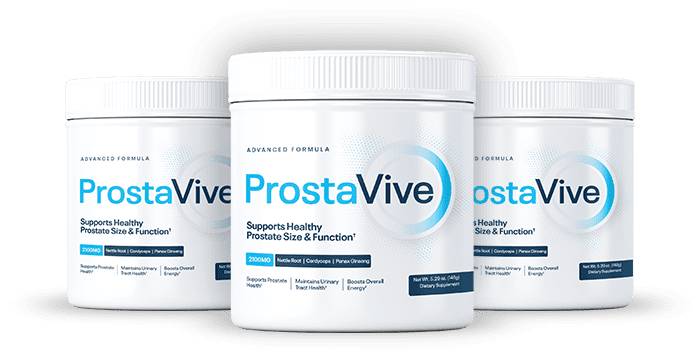
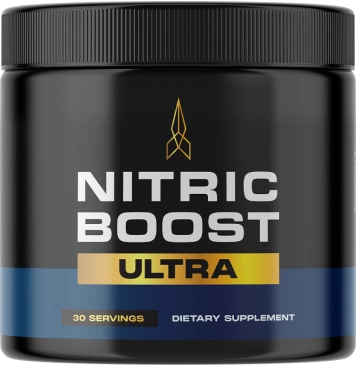
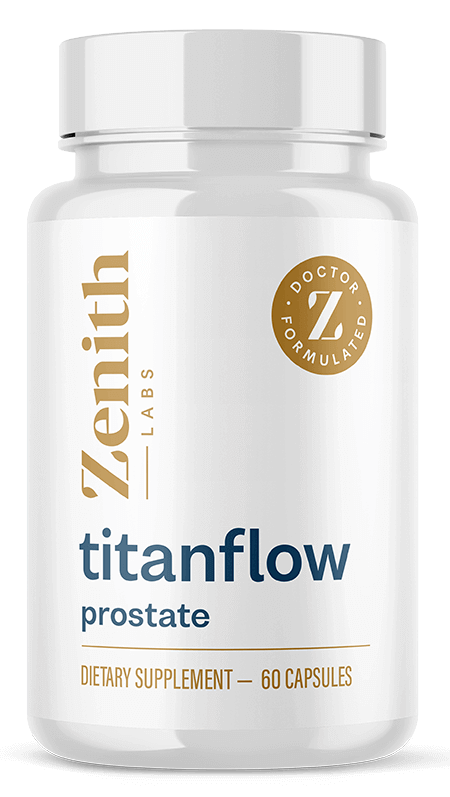
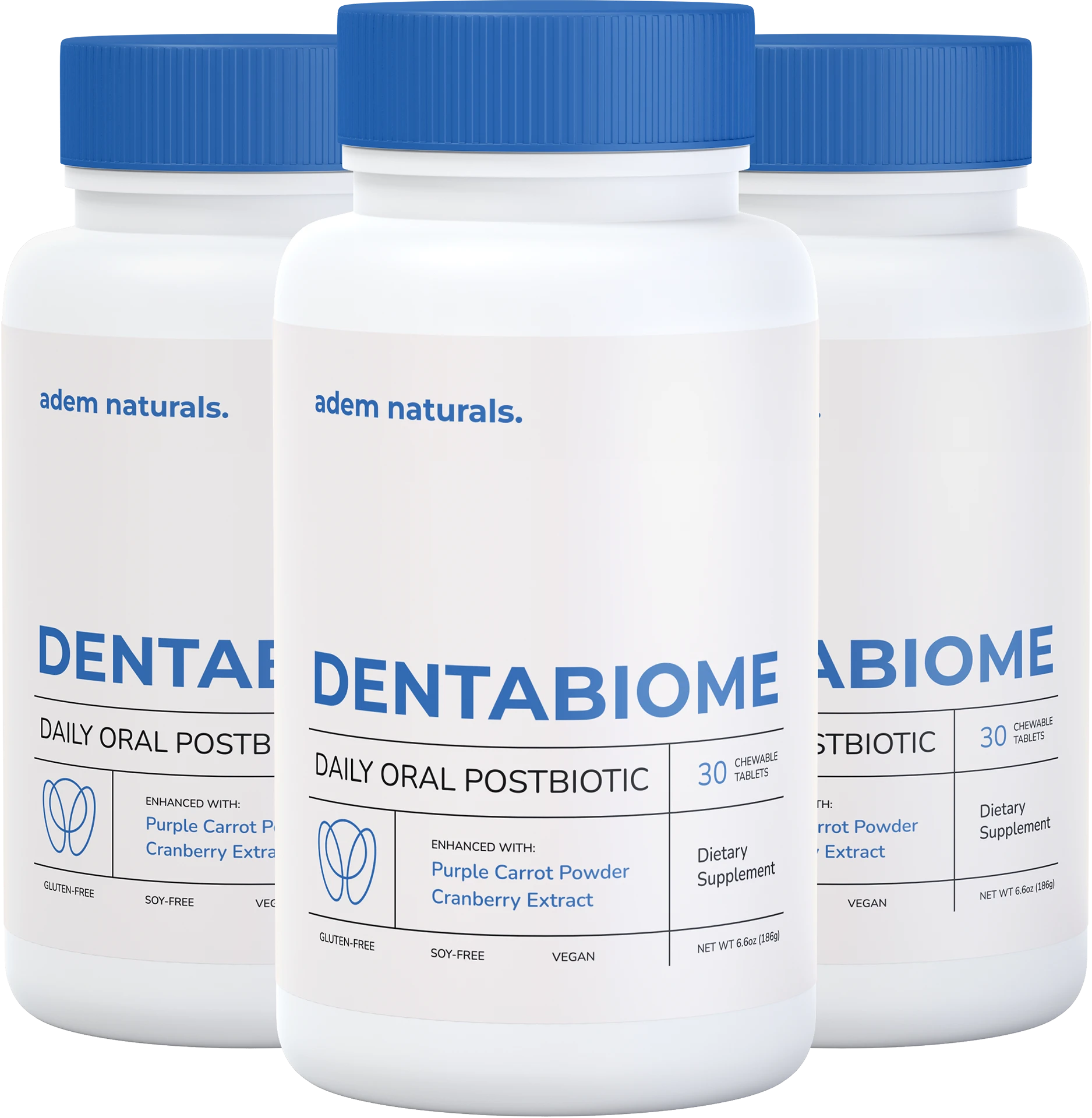
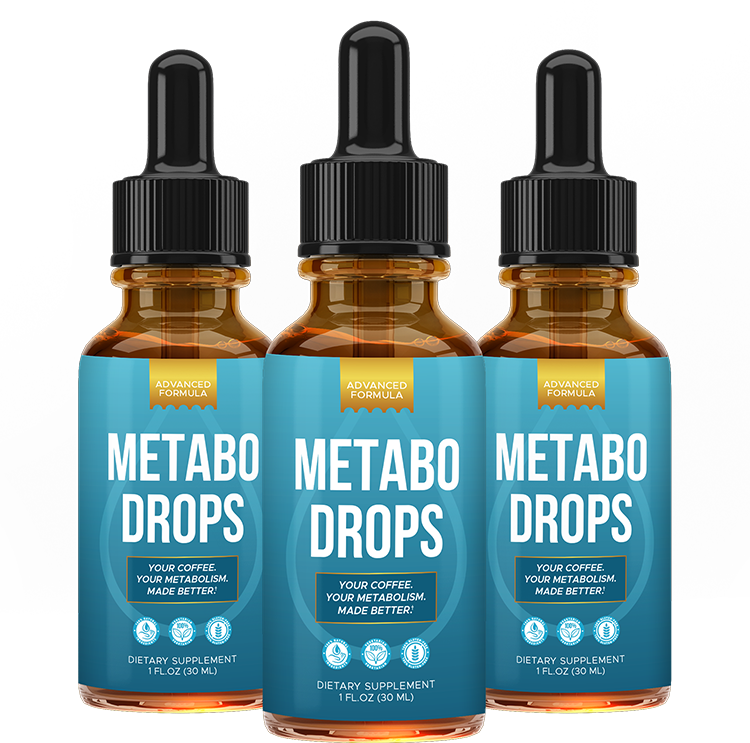
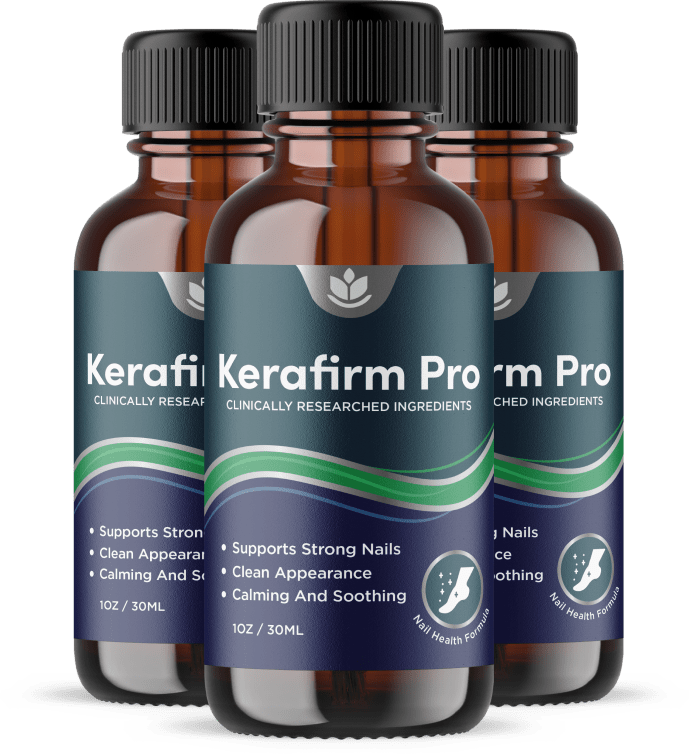
Explore all current MPS evidence-led product reviews.

What we assess
Ingredient evidence, disclosed amounts, formulation logic, label clarity and safety information.
What we do not assume
Popularity, testimonials, front-label claims and manufacturer language are not independent proof of efficacy.
Review boundary
A desk-research review cannot establish first-hand taste, tolerability or real-world response unless those were actually tested.
Evidence follows the formula
A well-studied ingredient only strengthens a product case when the form and dose reasonably resemble the evidence.
Rankings need rules
Any future ranking must use explicit criteria rather than affiliate economics or brand popularity alone.
What a desk-research review can establish
A desk-research review can inspect a product’s disclosed formulation, compare ingredient forms and amounts with published evidence, examine warnings and manufacturer documentation, and identify where a label is transparent or opaque. It cannot establish first-hand taste, gastrointestinal tolerance, capsule quality, real-world adherence or an individual response unless those things were actually tested.
Why the label is the starting point
FDA requires dietary supplement labels to include a Supplement Facts panel with serving information, dietary ingredients and amounts per serving, subject to specific rules including proprietary blends. That makes the label the first factual layer of a product review. If a formula does not disclose enough information to compare its ingredients with research, that uncertainty belongs in the review rather than being filled with assumptions.
Ingredient evidence does not automatically validate the product
A product can contain a well-studied ingredient and still be difficult to evaluate if the form is different, the amount is low, the dose is hidden or the formula combines many ingredients with unrelated evidence. Reviews therefore map evidence to the actual formulation rather than awarding a generic “science-backed” status because familiar ingredient names appear on the front label.
Manufacturer claims have a limited role
Manufacturer websites are useful for factual product information such as serving size, ingredient list, stated certifications or guarantee terms. They are not independent efficacy evidence. A review should label those statements as manufacturer claims unless they are supported by independent verification.
Popularity and testimonials are not efficacy data
User reviews can reveal issues worth checking—taste, packaging, side effects, delivery problems—but they are not controlled evidence that a supplement causes the advertised physiological outcome. Expectation effects, concurrent training or diet changes and selective reporting make testimonials unsuitable as the primary proof of efficacy.
Safety belongs inside the review, not after it
A formula should be evaluated for high doses, overlapping nutrients, stimulant load, known interaction concerns and whether the label provides appropriate warnings. The same product can have a different risk profile for someone taking medication or managing a medical condition. Product reviews therefore route readers to the Safety Centre rather than treating safety as a one-line disclaimer.
How rankings will be handled
A ranking can only be credible if the criteria are disclosed. Future “best” pages should state what is being ranked—formulation transparency, evidence match, safety, value, third-party testing claims, or another defined factor—and how those factors are weighted. Commercial eligibility should not silently determine the order.
Why FDA status should not be misrepresented
FDA does not pre-approve dietary supplements for safety and effectiveness before they are sold. A review should therefore never use wording that implies a normal dietary supplement has been “FDA approved” simply because it is legally marketed. Regulatory compliance, label completeness, product quality and efficacy are separate questions.
How to use the MPS review library
The review library is designed to answer different product questions in a fixed order. Start with the current label and formulation, then examine evidence fit, safety and only then the strength of any product-level conclusion.
| Your question | Best evidence layer | What a strong review should avoid |
|---|---|---|
| What is actually in the product? | Current Supplement Facts, ingredient amounts and identifiable preparations. | Relying on front-label language when the formula says something narrower. |
| Do the ingredients have research? | Human studies matched by ingredient, form, dose, population and outcome. | Using mechanism or testimonials as substitutes for direct outcome evidence. |
| Does the finished product work? | Direct finished-product testing where available, interpreted alongside formulation quality. | Borrowing ingredient evidence as automatic proof for the whole product. |
| Is it safe and transparent? | Warnings, interaction context, label disclosure and current product information. | Inferring safety from “natural” marketing, popularity or refund guarantees. |
Interpretation: MPS reviews should become more confident only as the evidence moves closer to the exact commercial formula and claimed outcome.
Applying the evidence to a real decision
A useful decision process has three layers. First, define the intended outcome precisely enough that it can be matched to research. Second, inspect the actual product or ingredient information—form, amount, serving size, duration and relevant safety details. Third, ask whether the population studied resembles the intended user and whether the outcome measured is meaningful for the goal. This prevents a common error in supplement content: moving from a plausible mechanism or a positive result in one narrow setting to a universal consumer promise. When evidence is uncertain, the uncertainty itself is decision-relevant. It may justify choosing a better-studied alternative, seeking professional guidance, or deciding that the expected benefit is too small or uncertain to justify the cost and complexity of another supplement.
What a high-quality negative review looks like
A rigorous review does not need to conclude that a product is good. A useful negative or mixed review explains which part of the formula creates uncertainty: an undisclosed blend, an ingredient with poor human evidence, a dose that is materially below commonly studied amounts, a safety concern, or a marketing claim that extends beyond the research. The purpose is not to punish unusual formulations but to show readers exactly why confidence is lower. This makes the review reproducible: another reviewer using the same evidence and criteria should be able to understand the reasoning even if they assign a different commercial value judgment.
How reviews should change when formulas change
Supplements are not static products. Brands reformulate, change serving sizes, remove or add ingredients and update packaging. A review that was accurate at publication can therefore become misleading without any error in the original analysis. Product pages should display an updated date, verify the current label when materially revised, and avoid treating historical price or formulation details as permanent. If a reformulation changes the evidence profile substantially, the conclusion and any comparison ranking should be reconsidered rather than merely editing the ingredient list.
What a useful review conclusion should contain
A useful conclusion should tell the reader why confidence is high, moderate or low. It should identify the strongest part of the formula, the main limitation, any material safety issue, and the kind of user for whom the product is or is not a logical fit. It should also state what remains unknown. That is more informative than reducing a complex product to a generic star rating or an unqualified recommendation.
Frequently asked questions
Are products personally tested?
Not unless a review explicitly says so. The default review method is desk research.
Does a good ingredient make a good product?
Not automatically. Form, dose, transparency, safety and the total formulation still matter.
Are customer reviews evidence?
They can provide context but are not controlled evidence of efficacy.
Does third-party certification prove a product works?
No. Verified certification can support certain quality claims but does not establish clinical effectiveness.
Sources
Primary and authoritative sources supporting the core claims on this page.
From evaluation standards to product discovery
MPS explains how supplement claims, labels, ingredient evidence and product-quality information should be evaluated. MenPS applies a structured catalog model to help users compare products without treating inclusion as an endorsement.