

Source hierarchy used for this comparison
MPS uses a simple source hierarchy for product facts. A current printed product label or official technical document is stronger for formula identity than a sales-page ingredient list. Merchant promotional material can still be useful for current package, price, guarantee, shipping and positioning information, but it should not override the label when the two disagree.
Independent clinical literature is then used to assess ingredient or treatment evidence. It is not used to invent missing product facts. If the concentration of an ingredient is not disclosed on the label, MPS does not infer that concentration from a third-party study.
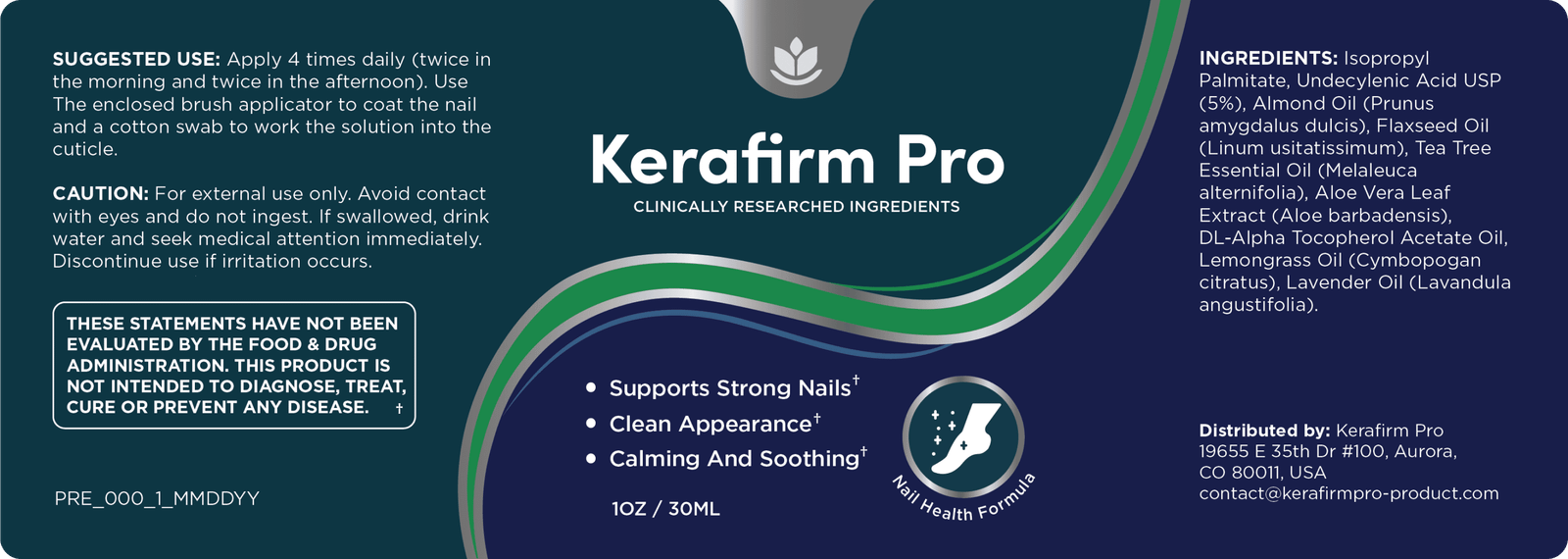
Ingredients confirmed on the supplied printed label
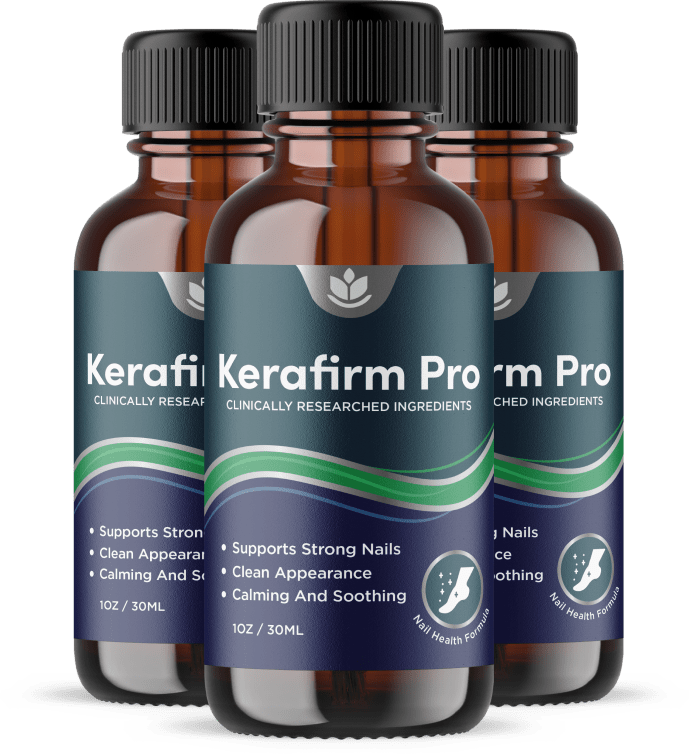
The supplied printed label identifies isopropyl palmitate, undecylenic acid USP 5%, sweet almond oil, flaxseed oil, tea tree essential oil, aloe vera leaf extract, DL-alpha tocopherol acetate (vitamin E), lemongrass oil and lavender oil.
Of those, undecylenic acid is the clearest declared active-style ingredient because the label gives a specific 5% concentration. Tea tree oil has direct but limited human research in fungal nail disease. The remaining oils and extracts are more appropriately treated as supporting, carrier, conditioning or botanical ingredients unless stronger product-specific evidence is available.
Ingredients named in merchant promotional material
The merchant materials reviewed for this project have also named clove bud, manuka, camphor, menthol, walnut and chia among the formula components. Those ingredients may reflect a broader formulation description, an earlier version, a marketing summary or another product-information layer. The supplied materials do not resolve which explanation is correct.
For that reason, MPS does not combine the label list and the merchant list into a single definitive formula. The additional ingredients are described as merchant-reported until the current bottle label or official technical documentation confirms them.
Why the undecylenic acid 5% disclosure is especially important
The printed label states undecylenic acid USP at 5%. FDA's OTC topical-antifungal monograph framework lists undecylenic acid and undecylenates at 10% to 25% for qualifying monograph products. That makes the exact 5% label disclosure more important than generalized marketing phrases about antifungal ingredients.
A page that says only “contains FDA-recognized undecylenic acid” can leave a misleading impression if it omits the concentration difference. The more accurate statement is that the current label reports 5%, while the monograph range for qualifying OTC topical antifungal products is 10% to 25%.
Can merchant ingredient descriptions still be useful?
Yes, but they should be labeled correctly. Merchant materials are useful for understanding how a product is positioned, which ingredients the seller emphasizes, how it instructs users to apply the product and what package or guarantee terms are being offered.
They become less reliable when used as the sole basis for clinical or regulatory conclusions. A marketing page is not a substitute for a current Drug Facts panel, product label, technical specification or published clinical trial.
Do promotional claims prove finished-product efficacy?
No. Statements that a product “supports healthy nails,” “targets fungus” or uses ingredients associated with antifungal activity are not the same as evidence that the exact finished product has been shown in a controlled clinical trial to treat diagnosed onychomycosis.
For KeraFirm Pro, the project sources provide product identity, current label information and merchant positioning. They do not provide a qualifying published finished-product clinical trial establishing efficacy for onychomycosis.
How should testimonials and before-and-after claims be treated?
Testimonials can describe individual experiences, but they do not establish diagnosis, treatment allocation, objective fungal clearance or generalizable efficacy. A nail may also look better as damaged nail grows out without proving that fungus was eliminated.
MPS therefore does not use testimonials as the main evidence layer and does not add testimonial-derived rating or review markup.
What commercial information can be taken from the merchant presentation?
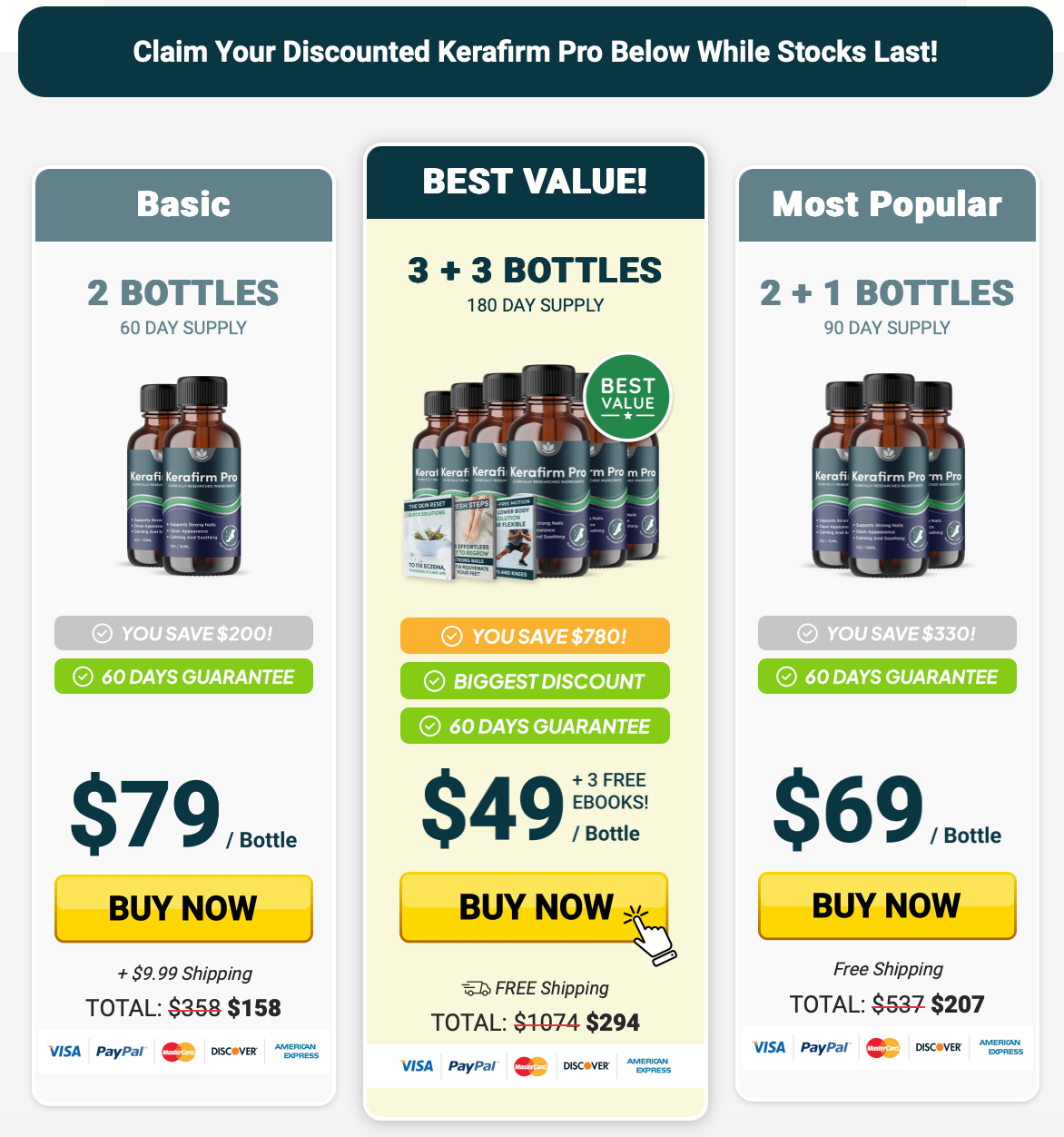
Commercial facts such as currently advertised package sizes, bottle counts, pricing, shipping and refund terms can be reported as merchant-supplied information when clearly identified and rechecked for freshness. Those facts answer a different user need from clinical efficacy.
For the current project, the dedicated commercial KeraFirm site is the appropriate destination for package and buying-route detail, while MPS remains the evidence and source-reconciliation layer.
What remains unresolved?
Formula discrepancy
The supplied printed label and merchant promotional ingredient lists are not identical.
The supplied printed label and merchant promotional ingredient lists are not identical.
Current-formula confirmation
An up-to-date bottle label or official technical document is needed to resolve whether the promotional-only ingredients are part of the current formulation.
An up-to-date bottle label or official technical document is needed to resolve whether the promotional-only ingredients are part of the current formulation.
Ingredient concentrations
The label provides a 5% concentration for undecylenic acid, but concentrations for several botanical ingredients are not disclosed in the materials reviewed.
The label provides a 5% concentration for undecylenic acid, but concentrations for several botanical ingredients are not disclosed in the materials reviewed.
Finished-product efficacy
No qualifying published KeraFirm Pro clinical trial was identified in the project evidence set.
No qualifying published KeraFirm Pro clinical trial was identified in the project evidence set.
Regulatory interpretation
The presence of a USP ingredient does not by itself establish that the finished product is FDA approved or monograph-compliant.
The presence of a USP ingredient does not by itself establish that the finished product is FDA approved or monograph-compliant.
Practical reading rule for consumers
When reviewing KeraFirm Pro or a similar topical nail product, separate four questions: what is actually on the label, what the seller says about the product, what independent evidence exists for individual ingredients, and what independent evidence exists for the exact finished product. Those questions can produce four different answers.
This framework reduces the risk of turning a plausible ingredient mechanism into an unsupported product-level treatment claim.
Continue through the KeraFirm evidence cluster
KeraFirm Pro master review
Overall product-level evidence and decision context.
Overall product-level evidence and decision context.
KeraFirm Pro ingredients evidence
Current label and ingredient-by-ingredient evidence.
Current label and ingredient-by-ingredient evidence.
Undecylenic acid 5%
Concentration and FDA monograph context.
Concentration and FDA monograph context.
Tea tree oil evidence
Human-study evidence and limitations.
Human-study evidence and limitations.
Nail-fungus evidence
How the product compares with established onychomycosis evidence.
How the product compares with established onychomycosis evidence.
Safety and side effects
Topical tolerability and escalation considerations.
Topical tolerability and escalation considerations.
Independent ingredient research guide
Broader formula education.
Broader formula education.
KeraFirm commercial guide
Current package, price and buying-route information.
Current package, price and buying-route information.