

Why tea tree oil matters in the KeraFirm formula
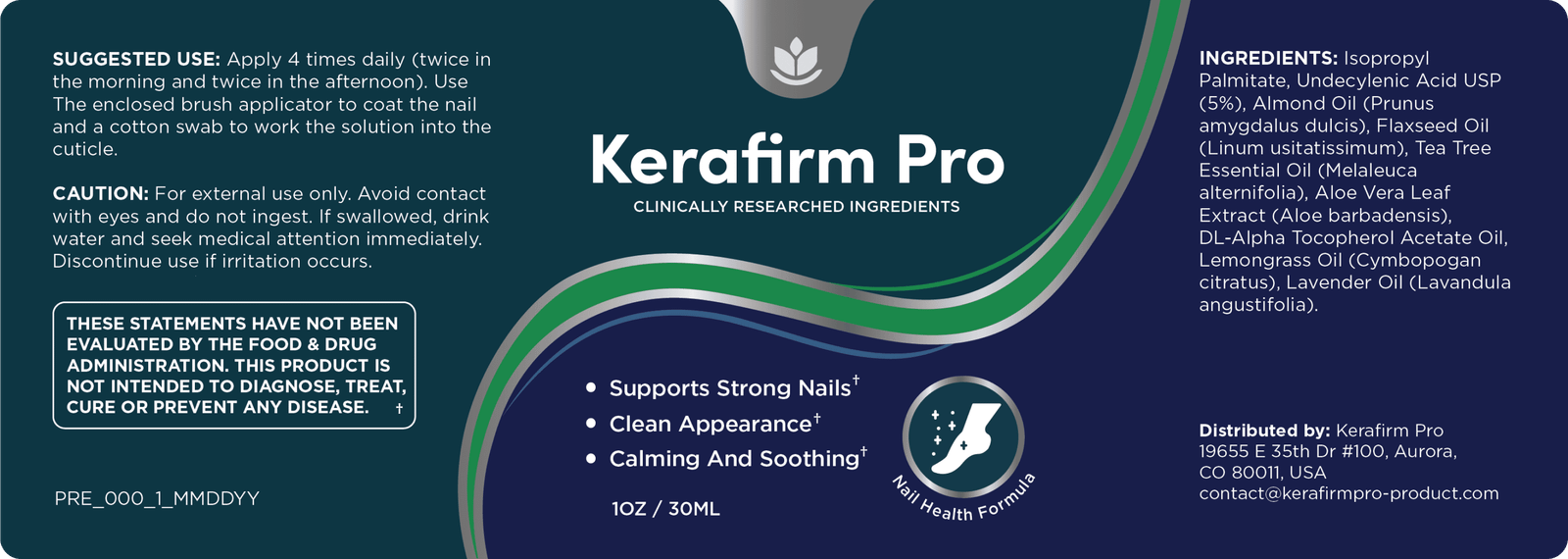
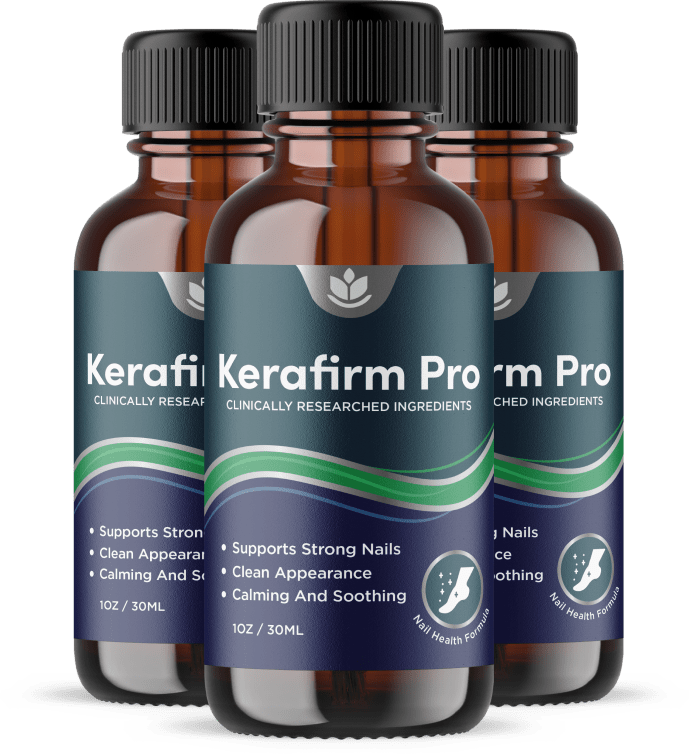
Tea tree essential oil appears on the current printed KeraFirm Pro label and is one of the few botanical ingredients in the formula with direct human research in fungal nail disease. That makes it scientifically relevant, but it also creates a common interpretation problem: research on one concentration and formulation is often repeated as though it proves the performance of every product that contains the ingredient.
MPS avoids that shortcut. The correct question is not simply whether tea tree oil has antifungal properties, but whether the evidence can be transferred to the exact KeraFirm Pro formulation, dose and delivery system.
What did the 1994 randomized trial study?
A randomized, double-blind, multicenter trial enrolled 117 people with culture-confirmed distal subungual onychomycosis of the toenail. Participants applied either 100% tea tree oil or 1% clotrimazole solution twice daily for six months.
At the end of the treatment period, culture cure was limited in both groups. A larger share of participants showed partial or full clinical improvement. The study is important because it provides human data rather than only laboratory activity, but it does not establish a high cure rate and it does not evaluate KeraFirm Pro.
Why the 100% concentration matters
The tea-tree preparation in the trial was 100% tea tree oil. KeraFirm Pro is a multi-ingredient topical formula containing tea tree oil among several oils, extracts and other ingredients, and the tea-tree concentration is not disclosed on the current label materials reviewed for this project.
That prevents a direct concentration-to-concentration comparison. A finished product with a lower concentration, different solvent system and additional ingredients may penetrate, evaporate or remain on the nail differently.
What does NCCIH conclude?
The National Center for Complementary and Integrative Health notes that a few studies have investigated topical tea tree oil for athlete's foot and fungal nail infections. For fungal nail infection specifically, NCCIH states that the amount and quality of research are insufficient to reach firm conclusions.
This is an important counterweight to overconfident marketing. It does not say tea tree oil has no biological activity. It says the available clinical evidence is not strong enough to support a firm treatment conclusion.
How does clinical improvement differ from fungal cure?
A nail can appear healthier while fungal organisms remain detectable. Conversely, a successfully treated nail may still look abnormal for months because damaged nail must grow out. This is why onychomycosis studies distinguish clinical appearance from mycological outcomes such as microscopy or culture.
The 1994 tea-tree study reported both kinds of outcomes. Any product page that cites it should preserve that distinction rather than turning visible improvement into proof of fungal eradication.
What do laboratory studies add?
Tea tree oil and other essential oils have shown antifungal activity against dermatophytes in laboratory research. The botanical literature supplied for this project also documents in-vitro activity from a variety of plant extracts and essential oils against fungi associated with onychomycosis.
Laboratory activity helps explain biological plausibility, but an in-vitro result does not answer whether enough active material penetrates a human nail plate at the site of infection, whether the concentration is tolerable, or whether a finished product improves clinically meaningful outcomes.
Does combining tea tree oil with undecylenic acid strengthen the evidence?
Combining ingredients with antifungal relevance can make a formulation mechanistically interesting, but it does not automatically create clinical proof. KeraFirm Pro's current label identifies tea tree oil and undecylenic acid 5%, yet this review has not identified a published trial evaluating that exact combination as the finished product.
The combined formula therefore has a stronger rationale than a purely cosmetic oil blend, but its efficacy remains an inference until the formulation itself is studied.
What about other essential oils in KeraFirm Pro?
The current label also identifies lemongrass and lavender oils. Merchant promotional material has named additional botanicals including clove and manuka. Essential oils may show antimicrobial activity in laboratory settings, but the evidence strength varies by ingredient, concentration and organism.
Those ingredients should therefore be treated as supporting formulation context rather than as independent proof that KeraFirm Pro cures onychomycosis.
What are the safety considerations with tea tree oil?
NCCIH notes that topical tea tree oil can cause skin irritation and swelling in some people. Contact sensitivity is relevant for a product intended for repeated use around nails and adjacent skin. Irritation risk may depend on concentration, frequency, skin condition and individual sensitivity.
Because the exact tea-tree concentration in KeraFirm Pro is not disclosed in the label materials reviewed here, MPS does not assign a product-specific adverse-event rate. Users should follow the current label, avoid eyes and mucous membranes, and stop if a persistent local reaction develops.
Can tea tree oil replace established antifungal treatment?
The current evidence does not justify treating tea tree oil as interchangeable with prescription onychomycosis therapy. Established topical and oral treatments have finished-product clinical trials and specific dosing regimens. Tea tree oil has a much smaller evidence base.
That does not mean every patient requires prescription treatment. It means the evidence hierarchy is different, and diagnosis, severity, health status and treatment goals should guide decision-making.
What is the strongest defensible conclusion?
Label fact
Tea tree essential oil appears on the current KeraFirm Pro printed label.
Tea tree essential oil appears on the current KeraFirm Pro printed label.
Human evidence
A 1994 randomized trial provides limited ingredient-level evidence using 100% tea tree oil.
A 1994 randomized trial provides limited ingredient-level evidence using 100% tea tree oil.
Independent guidance
NCCIH says the fungal-nail evidence is insufficient for firm conclusions.
NCCIH says the fungal-nail evidence is insufficient for firm conclusions.
Safety
Topical tea tree oil can cause irritation or swelling in some people.
Topical tea tree oil can cause irritation or swelling in some people.
Not established
The exact KeraFirm Pro formulation has not been shown here to clinically treat or cure onychomycosis.
The exact KeraFirm Pro formulation has not been shown here to clinically treat or cure onychomycosis.
Continue through the KeraFirm evidence cluster
KeraFirm Pro master review
Overall product-level evidence and decision context.
Overall product-level evidence and decision context.
KeraFirm Pro ingredients evidence
Full label and ingredient-by-ingredient analysis.
Full label and ingredient-by-ingredient analysis.
KeraFirm Pro undecylenic acid 5%
FDA monograph and concentration context.
FDA monograph and concentration context.
KeraFirm Pro nail-fungus evidence
Comparison with established onychomycosis evidence.
Comparison with established onychomycosis evidence.
KeraFirm Pro safety and side effects
Topical tolerability and escalation considerations.
Topical tolerability and escalation considerations.
Generic tea tree oil evidence guide
Broader human-study and evidence-limit context.
Broader human-study and evidence-limit context.
KeraFirm commercial guide
Current packages, pricing and merchant information.
Current packages, pricing and merchant information.