
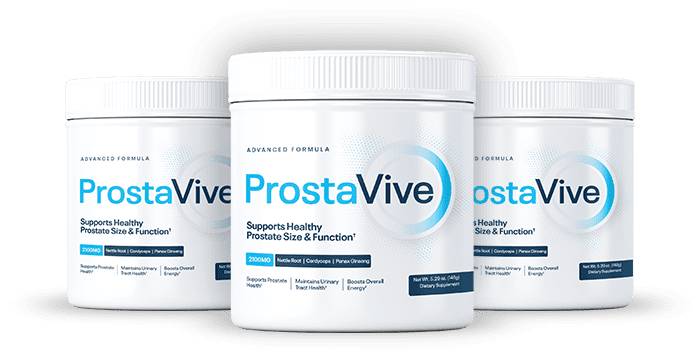
Testimonial interpretation
ProstaVive Testimonials: What Customer Stories Can and Cannot Prove
Customer stories can be useful context, but they should never be turned into an efficacy rating or a guarantee of typical results.
Save or follow this source
Add Male Performance Supplements to Google Preferred Sources or open this page in your preferred AI tool.
Source-checkedNo fabricated ratingsMerchant claims labeled
Affiliate disclosure: MPS may receive compensation from qualifying purchases. Commercial relationships do not convert merchant claims or testimonials into independent evidence.
Trust verification
Anecdotes are not averages
Testimonials describe individual experiences. They do not tell us how likely another user is to experience the same result.
Published Products
Explore all current MPS evidence-led product reviews.




Merchant testimonialsCurrently published
Verified purchaseDoes not equal clinical proof
Positive storiesUseful for identifying questions
Evidence standardControlled studies remain stronger
ProstaVive testimonial evidence map: user stories and clinical evidence answer different questions
Testimonials can describe experience, expectations and recurring themes, but they cannot control for placebo effects, regression to the mean, concurrent treatments or selective reporting.
| Testimonial feature | What it can add | What it cannot prove |
|---|---|---|
| Positive user report | How one person perceived the product. | A predictable treatment effect for other users. |
| Verified purchase status | Greater confidence that a transaction occurred. | That the reported outcome was caused by the product. |
| Repeated complaint theme | A possible service or tolerability pattern worth checking. | Clinical incidence or causation. |
| Merchant testimonial | Seller-presented user experience. | Independent validation of efficacy. |
Interpretation: testimonials are useful context, but they remain low-level evidence for efficacy.
What testimonials does the merchant publish?
Current ProstaVive order pages publish named customer testimonials describing reduced nighttime bathroom use, improved energy, libido and other perceived benefits. The pages label some testimonials as verified purchases.
What can a testimonial establish?
A testimonial can establish that a person is presented by the merchant as reporting a particular experience. It cannot establish the average effect of the product, prove causation, quantify the likelihood of benefit or substitute for a controlled trial.
Why are testimonials scientifically weak?
Testimonials have no placebo control, no randomization, no standardized outcome measurement and no way to separate product effects from expectation, regression to the mean, lifestyle changes, natural symptom fluctuation or selective publication.
Does “verified purchase” solve that problem?
No. Verified-purchase status may strengthen the claim that the reviewer bought the product, but it does not turn the experience into clinical evidence.
How should positive testimonials influence a buyer?
They can help identify outcomes that users care about—nighttime urination, energy, sexual function or convenience. Those outcomes can then be checked against the ingredient evidence and the product's actual formula.
What about negative testimonials or complaints?
Negative experiences deserve the same caution. One person's lack of benefit or side effect does not prove that everyone will have the same result. Complaint patterns become more useful when they involve verifiable issues such as shipping, refund procedures, package mismatch or repeated seller-service problems.
Why does the merchant itself mention variable results?
Current merchant order pages explicitly acknowledge that results vary and that no supplement has a 100% success rate. That is consistent with the broader evidence principle that individual testimonials should not be treated as guaranteed outcomes.
Bottom line
ProstaVive testimonials are best treated as merchant-published customer experiences. They can help generate questions, but the answers should come from the label, independent ingredient research, safety review and current merchant policies.
Next-step navigation
Continue the ProstaVive Research
Selected sources