
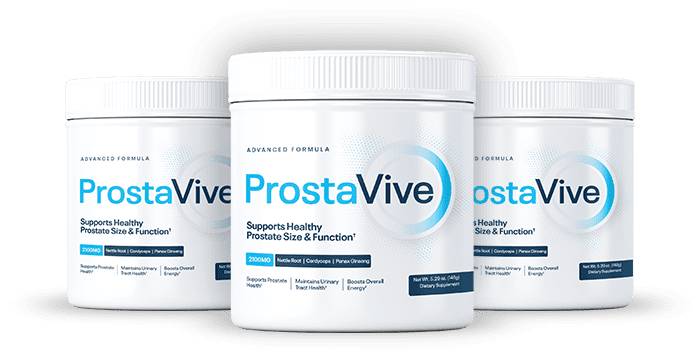
Complaint and reputation analysis
ProstaVive Complaints: What to Verify Before You Buy
Complaint pages can become spammy quickly. This one focuses on verifiable buying issues, evidence expectations and merchant-policy checks.
Save or follow this source
Add Male Performance Supplements to Google Preferred Sources or open this page in your preferred AI tool.
Evidence-ledNo fabricated ratingsSource-linked
Affiliate disclosure: this page may link to commercial products. MPS may receive compensation from qualifying purchases, but evidence conclusions are based on the cited research.

Published Products
Explore all current MPS evidence-led product reviews.


No fake ratingsWe do not invent review counts
Most useful checksPrice, refund terms, serving format
Health complaintsNeed evidence and safety context
Merchant distinctionMPS does not process orders or refunds
ProstaVive complaint signal map: separate service problems from efficacy and safety
Complaints are most useful when they are grouped by type. Delivery, refund, tolerability and “did not work” reports answer different questions and should not be treated as one undifferentiated negative signal.
| Complaint type | What it can help assess | What it cannot establish |
|---|---|---|
| Shipping or delivery | Fulfilment reliability and operational friction. | Whether the product is effective. |
| Refund or guarantee | How commercial terms appear to be implemented in practice. | Clinical efficacy or safety. |
| Side effect | A possible tolerability or interaction signal worth checking. | Causation from a single anecdote. |
| No perceived benefit | User expectation and outcome variability. | A controlled efficacy estimate for the product. |
Interpretation: complaints are strongest as operational and signal-detection evidence, not as substitutes for clinical studies.
What counts as a useful “complaint”?
Complaint searches are valuable only if they distinguish verifiable issues from anonymous anecdotes. A strong review should not copy unverified accusations, manufacture a complaint count, or treat one person's experience as proof of product quality. Instead, complaints should be grouped into categories that can be checked against the product, merchant policy or general supplement-use context.
Category 1: expectations versus evidence
The most important potential complaint is an expectation mismatch. ProstaVive contains ingredients with different research profiles, but the finished formula should not be presented as clinically proven to treat BPH or guarantee urinary improvement. A customer expecting drug-like or immediate symptom relief may judge the product differently from someone viewing it as a dietary supplement with uncertain individual response.
Category 2: price and package expectations
Affiliate and merchant pages can change package quantity, price, shipping and bonus eligibility. A user who relies on an old screenshot may reach checkout and see a different configuration. That is why MPS does not freeze a price claim into the evidence review. The live merchant page should control current commercial terms.
Category 3: guarantee and refund expectations
The seller currently advertises a 180-day money-back guarantee. The useful question is not simply whether a guarantee exists, but what the current procedure requires: proof of purchase, contact route, product return, timing, or other conditions. MPS is not the seller and cannot process a refund. Buyers should save order documentation and read the live merchant policy.
Category 4: taste, mixing and format
ProstaVive is a powder. That format may be convenient for users who dislike capsules, but it creates a different user experience: taste, texture, mixing, scoop consistency and daily drink preparation can all affect satisfaction. These are preference issues rather than evidence of efficacy or safety.
Category 5: side effects or interaction concerns
A multi-ingredient formula can create individual tolerability issues. Gastrointestinal discomfort, sleep changes or other reactions may be linked to an ingredient, dose, interaction or unrelated condition. Significant symptoms should not be diagnosed through reviews. The dedicated side-effects page explains ingredient-level safety considerations.
How MPS treats testimonials and complaints
We do not publish a fabricated star rating, fake review count or unsupported aggregate score. Merchant testimonials can illustrate what customers report, but they are not independent clinical evidence. Likewise, negative anecdotes can identify questions to investigate, but they do not establish causation.
Questions to ask before treating a complaint as meaningful
- Is the complaint tied to a verifiable merchant policy, label or order issue?
- Does the person state which package, serving and duration they used?
- Could the outcome reflect unrealistic expectations?
- Could symptoms require medical evaluation rather than product troubleshooting?
- Is the source independent, or is it selling a competing product?
Bottom line
The most useful complaint analysis is not a list of dramatic quotes. It is a decision framework: verify current commercial terms, understand the powder format, separate testimonial experience from clinical evidence, and use the refund process if the purchase does not meet expectations. For health outcomes, rely on the evidence and safety pages rather than crowd opinion.
Next-step navigation
Use the Evidence to Narrow the Decision
MPS keeps broad health research, ingredient interpretation and product-review content connected without treating sales claims as clinical findings.