
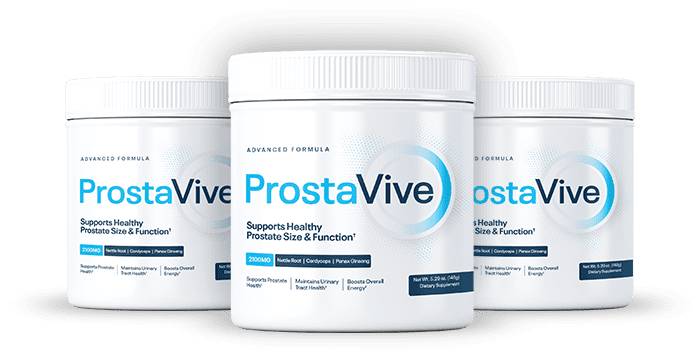
ProstaVive safety review
ProstaVive Side Effects and Safety: Ingredient-by-Ingredient Review
A multi-ingredient formula needs a medication-aware safety check. This page separates known ingredient concerns from what is unknown about the finished product.
Save or follow this source
Add Male Performance Supplements to Google Preferred Sources or open this page in your preferred AI tool.
Evidence-ledNo fabricated ratingsSource-linked
Affiliate disclosure: this page may link to commercial products. MPS may receive compensation from qualifying purchases, but evidence conclusions are based on the cited research.

Published Products
Explore all current MPS evidence-led product reviews.



Main risk questionWhat else are you taking?
Common practical issueIngredient and nutrient overlap
Evidence limitNo safety trial of every combination is assumed
EscalationConcerning urinary symptoms need assessment
ProstaVive safety map: separate ingredient tolerability, interactions and symptom red flags
Safety interpretation becomes clearer when the current formula is reviewed in layers. Ordinary tolerability concerns, medication interactions and symptoms that require medical assessment are different questions and should not be collapsed into one generic “side effects” conclusion.
| Safety layer | What to check | Important limit |
|---|---|---|
| Ingredient tolerability | Review the known tolerability profile of the ingredients actually listed in the current formula. | An ingredient-level profile does not predict how every user will respond to the finished product. |
| Medication context | Consider whether ingredients could overlap with a medicine's physiological effects or other safety concerns. | Compatibility cannot be assumed from supplement status alone. |
| Formula verification | Use the current label rather than relying on an older formulation. | A changed formula can alter both interaction and tolerability considerations. |
| Symptom red flags | Persistent or concerning urinary or prostate-related symptoms may require medical evaluation. | A supplement review should not substitute for assessment of clinically important symptoms. |
Interpretation: the safest conclusion depends on the current ingredient list, medication context and whether the user's symptoms warrant medical evaluation.
Are ProstaVive side effects known?
There is an important evidence limitation: side-effect data for individual ingredients are not the same as a safety trial of the complete ProstaVive formula. The current product combines multiple botanicals and nutrients. Even when each component is generally well tolerated on its own, combining ingredients can change the practical risk of gastrointestinal symptoms, sedation, stimulation, blood-pressure effects, blood-sugar effects or medication interactions.
Nettle root
Nettle root has been studied in BPH populations and was generally tolerated in published trials. Herbal products can still cause gastrointestinal symptoms or allergic reactions, and preparation quality matters. Anyone using diuretics, blood-pressure medicines or other therapies should consider interaction risk with a clinician or pharmacist.
Tongkat ali
Tongkat ali is used in male-health supplements and has been studied in clinical research, but commercial extracts vary. Potential concerns can include sleep disturbance, restlessness or other individual reactions, particularly when combined with stimulatory products. Long-term safety data for every extract are not interchangeable.
Ashwagandha
Ashwagandha is often described as an adaptogen, but it is pharmacologically active. Reported concerns can include gastrointestinal upset and drowsiness. It may also be unsuitable for some people with thyroid, autoimmune, pregnancy-related or medication considerations. Rare liver-injury reports have been published for ashwagandha-containing products, which is why unexplained jaundice, dark urine or significant illness should not be ignored.
Fenugreek, ginseng and maca
Fenugreek and ginseng may affect blood glucose or interact with medicines in susceptible users. Ginseng also has potential interaction considerations with anticoagulants and other therapies. Maca is generally well tolerated in short trials, but long-term evidence is more limited. The correct risk assessment depends on the exact amount and the user's medication profile.
Zinc, magnesium and vitamin D
These nutrients are familiar, but excess intake still matters. Zinc can cause nausea and, when chronically excessive, contribute to copper deficiency. Supplemental magnesium can cause diarrhea and may interact with certain medicines by reducing absorption. Too much vitamin D can raise calcium levels. Total intake from all supplements should be counted, not just the ProstaVive label.
Who should be especially cautious?
- People taking prescription medicines, especially for blood pressure, blood glucose, anticoagulation, thyroid conditions or other chronic disease.
- People already taking testosterone-support, multivitamin or herbal stacks with overlapping ingredients.
- People with liver, kidney or endocrine conditions.
- Anyone preparing for surgery.
- Anyone with persistent or worsening urinary symptoms that have not been evaluated.
Side effects versus symptoms that need medical attention
Do not assume a new urinary problem is “just the supplement” or “just the prostate.” NIDDK recommends prompt care if a person cannot urinate, has blood in urine, has fever and chills with painful or urgent urination, or has significant lower abdominal or urinary-tract pain. Those are not situations for online troubleshooting.
Bottom line
ProstaVive's safety profile cannot be inferred from marketing language alone. The practical approach is to read the current label, total all overlapping nutrients and herbs, review medications, start only when the formula is appropriate for the individual, and stop and seek advice if significant adverse symptoms occur.
Next-step navigation
Use the Evidence to Narrow the Decision
MPS keeps broad health research, ingredient interpretation and product-review content connected without treating sales claims as clinical findings.