
Authenticity and seller verification
ProstaVive Authenticity Guide: Real vs Unverified Buying Routes
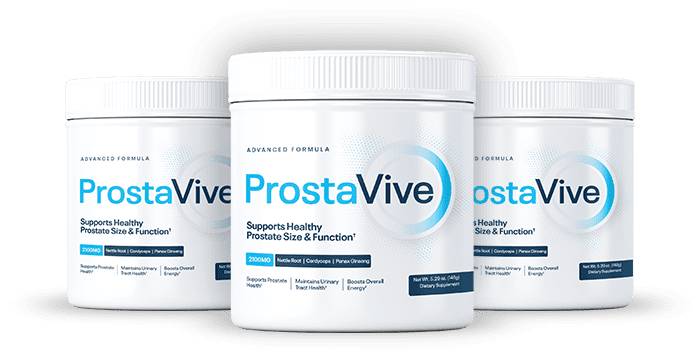
The merchant currently says ProstaVive is sold directly through its website and not through Amazon, Walmart or eBay. That makes route verification more useful than judging a product only by packaging.
Save or follow this source
Add Male Performance Supplements to Google Preferred Sources or open this page in your preferred AI tool.
Source-checkedNo fabricated ratingsMerchant claims labeled
Affiliate disclosure: MPS may receive compensation from qualifying purchases. Commercial relationships do not convert merchant claims or testimonials into independent evidence.
Trust verification
Verify the route, not just the logo
Seller identity, checkout and guarantee coverage are stronger authenticity signals than copied product imagery.
Published Products
Explore all current MPS evidence-led product reviews.
Official routeMerchant website
AmazonMerchant says not sold there
WalmartMerchant says not sold there
VerificationSeller + checkout + guarantee
ProstaVive authenticity map: verify the buying route before relying on packaging
Authenticity is best assessed through the transaction path and current seller information rather than visual packaging alone. A genuine-looking bottle is not enough if the purchase route itself cannot be verified.
| Authenticity check | Stronger signal | Weak signal |
|---|---|---|
| Purchase source | The current official route identified by the merchant. | An unknown marketplace listing using copied product images. |
| Seller identity | Consistent merchant information and support details. | A seller name that cannot be matched to the current offer. |
| Packaging | Useful as a secondary consistency check. | Visual similarity alone cannot authenticate the transaction. |
| Refund eligibility | Purchase through a route covered by the current guarantee. | Assuming every reseller is covered by the same refund terms. |
Interpretation: verify the seller and purchase route first; treat packaging as supporting rather than decisive evidence.
What does “authentic ProstaVive” mean?
Authenticity is primarily a seller-route and product-identity question. The current merchant says ProstaVive is sold through its official website and is not available on Amazon, Walmart or eBay. That statement gives buyers a concrete reference point when they encounter other listings or look-alike pages.
Why marketplace searches matter
Searches for “ProstaVive Amazon,” “ProstaVive Walmart,” or “buy ProstaVive on Amazon” can lead to third-party listings, affiliate pages or unrelated seller pages. A page using the product name is not automatically the manufacturer or an authorized reseller.
What should you check before paying?
- Does the destination clearly identify the ProstaVive product?
- Does the package match the current merchant formula and serving format?
- Is the seller or reseller identity visible?
- Does the current 180-day guarantee apply to that transaction?
- Will the buyer receive merchant/ClickBank order support?
- Does the checkout match the package quantity and price selected?
What about “fake vs real” ProstaVive?
MPS does not label an individual third-party listing counterfeit without evidence. The safer distinction is between the merchant's stated official route and any unverified marketplace or look-alike route. If the merchant says it does not sell on a marketplace, buyers should not assume a listing there has the same support, guarantee or supply chain.
Can packaging alone prove authenticity?
No. Product images can be copied. Packaging should be checked alongside seller identity, order records, current label details and the merchant's own distribution statement.
Why the refund policy matters
A genuine-looking product is only one part of transaction confidence. The buyer should know which seller controls the refund, how to contact support, and whether the purchase route is covered by the current guarantee.
Bottom line
The most defensible authenticity rule is simple: use the merchant's stated official route, verify checkout details and do not assume that a marketplace or look-alike domain is authorized merely because it uses the ProstaVive name.
Next-step navigation
Continue the ProstaVive Research
Selected sources