


The short answer
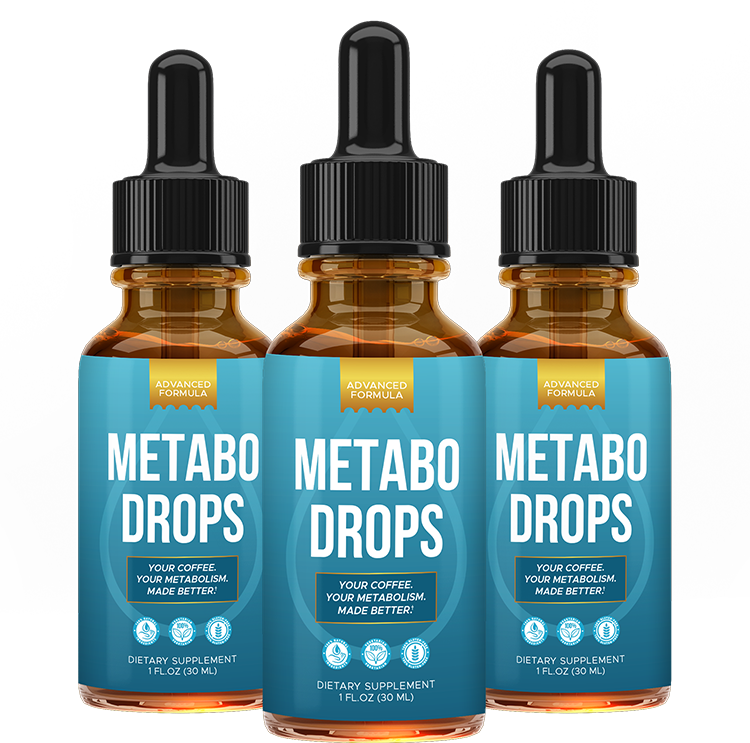
Research supports the idea that coffee, caffeine and some commonly marketed metabolic-support ingredients can influence selected physiological or weight-related outcomes. The supplied materials do not establish that the complete Metabo Drops formula itself has been shown in a peer-reviewed randomized clinical trial to cause meaningful weight loss. That makes the evidence indirect rather than product-specific.
What would count as strong weight-loss evidence?
Strong finished-product evidence would test the exact commercially sold formula against an appropriate control, use a predefined dose for a meaningful duration, enroll a relevant population and report objective outcomes such as body weight, waist circumference or body-fat measures. Ideally, diet and activity would also be measured or controlled because they strongly influence weight change.
Coffee and body composition
The supplied Northern Finland Birth Cohort study found that higher habitual coffee-intake groups had lower total and visceral fat and higher skeletal muscle mass, with several additional metabolic associations. These data are useful context, but the cross-sectional design cannot determine whether coffee caused those differences or whether other characteristics of coffee drinkers contributed.
Caffeine and randomized weight-loss evidence
A systematic review and dose-response meta-analysis of randomized controlled trials reported that caffeine intake may contribute to reductions in body weight, BMI and fat mass. The trials were heterogeneous, and caffeine exposure is not equivalent to taking Metabo Drops. This evidence supports biological plausibility for one part of the coffee context rather than a quantified prediction of product results.
Acute fat oxidation versus long-term weight change
One of the easiest mistakes in supplement marketing is to treat greater acute fat oxidation as synonymous with losing stored body fat. They are not identical. The body continuously switches between carbohydrate and fat use. Long-term weight and fat changes depend on the cumulative balance of energy intake and expenditure over time.
Ingredient evidence can strengthen or weaken plausibility
If a product contains ingredients with human randomized-trial evidence at a dose and form similar to what the label supplies, that makes the formulation more evidence-aligned. If the label does not disclose the amount, or if the commercial dose is far below studied exposures, the evidence transfer becomes weaker. Exact Metabo Drops ingredient amounts therefore matter when evaluating weight-management claims.
What testimonials can and cannot establish
Before-and-after stories, customer reviews and personal reports can describe user experience, but they cannot isolate the effect of the product. Diet changes, exercise, fluid shifts, concurrent supplements and selective reporting can all influence apparent results. Testimonials therefore belong in the customer-experience layer, not the clinical-efficacy layer.
Who should be cautious about a “metabolism” promise?
People with persistent unexplained weight change, major fatigue, symptoms suggesting an endocrine or metabolic condition, pregnancy, medication use or significant cardiovascular concerns should not rely on a supplement as a substitute for assessment. Coffee and caffeine tolerance also matters because Metabo Drops is designed to be used with coffee.
A practical buyer framework
Before purchasing, check five things: the current Supplement Facts panel, the exact serving directions, whether the ingredient doses resemble those studied in humans, total daily caffeine exposure from coffee and other sources, and current merchant return terms. These checks provide more useful decision support than a simple “works/doesn’t work” verdict.
Bottom line
Metabo Drops has a plausible marketing concept built around coffee and ingredients associated with metabolic research. That plausibility is not the same as direct proof of clinically meaningful weight loss from the finished product. Buyers who choose to try it should treat it as a supplemental part of a broader weight-management approach and judge the offer using formula transparency, realistic expectations, tolerability and the merchant’s current refund terms.
Money-back guarantee context

Check the merchant's current refund terms before ordering
The merchant currently advertises a refund period. A guarantee can reduce commercial risk, but it does not strengthen the scientific evidence for a product. Verify the current return window, product-return requirements and any shipping exclusions before purchase.
Review Current Terms