



What is known about Metabo Drops safety?
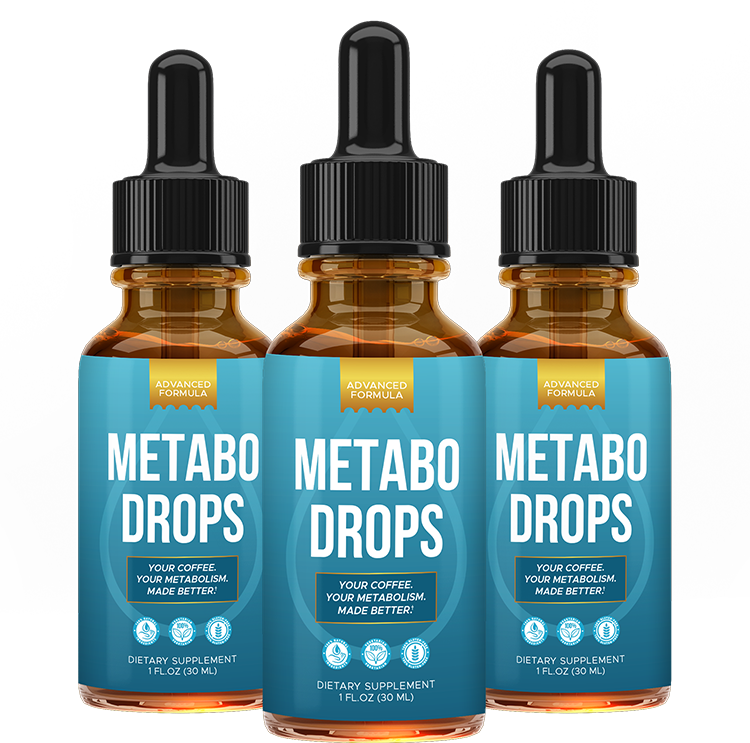
The supplied merchant material presents Metabo Drops as a liquid nutritional serum intended for use with coffee and describes the product in reassuring terms. Those statements are merchant representations. The supplied research set does not include a peer-reviewed randomized safety trial of the complete finished Metabo Drops formulation, so product-level safety should not be inferred from marketing language alone.
Direct answer: the most defensible safety assessment combines the current Supplement Facts panel, the amount and type of coffee used, total daily caffeine exposure, other supplements or medicines, and the user's own health context.
The coffee component matters
Metabo Drops is unusual because the recommended use context includes coffee. Coffee itself contains multiple biologically active compounds, most notably caffeine, and responses vary substantially between individuals. The supplied Northern Finland Birth Cohort paper notes that coffee contains caffeine, chlorogenic acids, diterpenes and other bioactive compounds, and also emphasizes that preparation and individual factors can influence physiological effects.
For some people, a normal serving of coffee causes little difficulty. Others are more sensitive and may experience restlessness, sleep disruption, gastrointestinal discomfort, a racing heartbeat or anxiety-like symptoms. Those effects relate to the coffee/caffeine context and should not automatically be attributed to the drops.
Total caffeine exposure is more important than one cup
A useful safety check looks at the whole day rather than a single serving. Coffee, tea, energy drinks, pre-workout products, chocolate, medications and other supplements can all contribute to stimulant exposure. Even if Metabo Drops itself is not the main caffeine source, adding it to a routine built around several caffeinated products may change the practical tolerability of the regimen.
The supplied coffee research discusses moderate caffeine intake in adults in the context of broader safety literature, while also noting that high-dose caffeine toxicity and medication interactions remain relevant concerns. Individual tolerance should therefore guide use rather than assuming that a population-level intake reference is appropriate for every person.
Filtered versus unfiltered coffee can change the exposure profile
Coffee preparation is not trivial. The supplied research notes that unfiltered coffee can retain diterpenes such as cafestol and kahweol, which may raise total and LDL cholesterol, while filtered coffee substantially reduces diterpene exposure. This does not make one preparation universally safe or unsafe, but it shows why the beverage itself belongs in a complete assessment.
Exact ingredient forms and doses should be verified
Ingredient names alone are not enough for a high-quality safety review. Form, dose, serving frequency and combination with other products can all influence risk. The supplied merchant archive contains broad formula and manufacturing claims, but the accessible materials for this build do not provide a sufficiently reliable full Supplement Facts panel with exact amounts for every ingredient.
For that reason, this page does not invent dose-specific warnings. Before purchase or use, check the current label for exact ingredient names, forms and quantities. That information is necessary to compare the formula with human studies, known upper-intake considerations and possible medication interactions.
Who should be especially cautious?
Caffeine-sensitive users
If coffee already causes palpitations, tremor, anxiety or insomnia, adding a supplement to the same routine does not remove those concerns.
People taking medicines
Potential interactions depend on the verified formula and the medicine involved. A pharmacist or clinician can review the current label more reliably than generic online claims.
Pregnancy or breastfeeding
Caffeine and supplement exposure warrant individualized guidance during pregnancy and breastfeeding. Do not rely on merchant reassurance alone.
When symptoms should not be treated as a supplement problem
Persistent fatigue, unexplained weight change, marked appetite change, palpitations, fainting, chest pain or other concerning symptoms deserve medical assessment. A supplement should not be used to mask or self-treat symptoms that could reflect an underlying condition.
Can testimonials establish that Metabo Drops is safe?
No. Customer comments can describe whether someone personally tolerated a product, but they cannot establish a reliable incidence of adverse effects. Online reviews are affected by self-selection, incomplete reporting and unknown differences in dose, health status and concurrent products. Formal safety conclusions require stronger evidence.
How to reduce avoidable risk
- Verify the current Supplement Facts panel before use.
- Count all daily sources of caffeine and other stimulants.
- Do not combine multiple products with overlapping ingredients without checking totals.
- Consider the timing of coffee if caffeine affects sleep.
- Stop use and seek appropriate advice if significant symptoms occur.
- Ask a qualified professional to review the label if you take medication or have a relevant medical condition.
Safety takeaway
Metabo Drops may be convenient for people who already drink coffee, but convenience should not replace label review and individual risk assessment. The supplied evidence supports a cautious, context-based approach: evaluate the verified formula, total caffeine exposure, coffee preparation, other supplements and personal health circumstances together.
Money-back guarantee context

Check the merchant's current refund terms before ordering
The merchant currently advertises a refund period. A guarantee can reduce commercial risk, but it does not strengthen the scientific evidence for a product. Verify the current return window, product-return requirements and any shipping exclusions before purchase.
Review Current Terms