


What is L-carnitine?
L-carnitine is a naturally occurring compound involved in cellular energy metabolism. It helps transport long-chain fatty acids into mitochondria, where they can be oxidized for energy. The body can synthesize carnitine, and it is also obtained from food. Supplements are sold in several forms and doses, which means evidence should be matched to the actual preparation used.
Why L-carnitine is associated with “fat burning”
The biochemical role of carnitine makes the marketing story intuitive: if carnitine participates in fatty-acid transport, adding more might appear to increase fat use. Human physiology is more complicated. In people who are not carnitine deficient, more supplemental carnitine does not automatically translate into proportionally greater fat oxidation or rapid weight loss.
What randomized trials show
A systematic review and meta-analysis of 37 randomized controlled trials including more than two thousand participants found that L-carnitine supplementation was associated with modest reductions in body weight, BMI and fat mass. The analysis did not find significant effects on waist circumference or body-fat percentage, and when only higher-quality trials were considered, the clearest retained effect was on body weight.
Dose-response findings matter
The same meta-analysis reported a non-linear dose-response relationship for body weight, with the largest modeled effect around 2 grams per day in adults. That does not mean 2 grams is appropriate for every person or every product. It does show why dose transparency matters when a supplement invokes L-carnitine research.
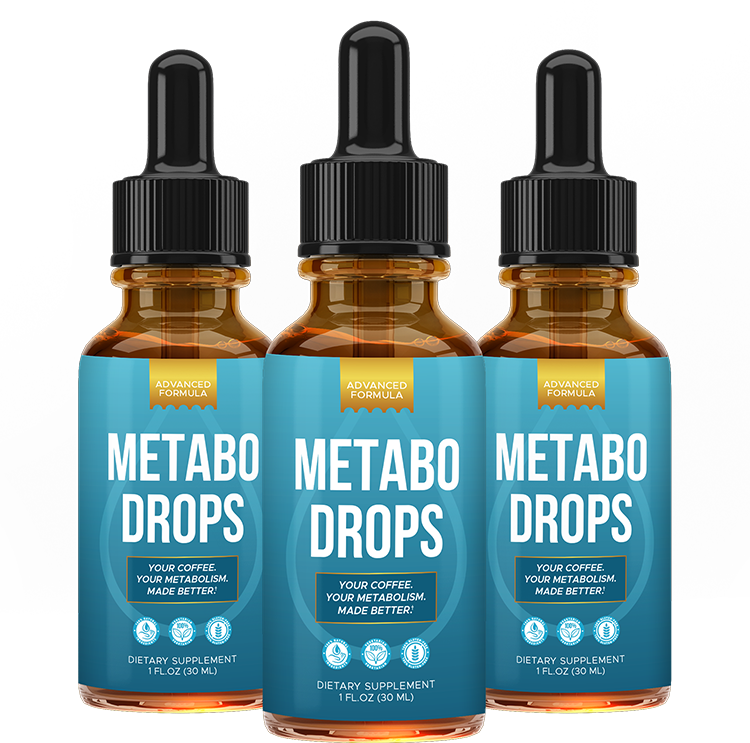
Formula-match question: If the current Metabo Drops label does not disclose an L-carnitine amount that can be compared with studied doses, the evidence cannot be transferred directly to the finished product.
Who appeared to benefit most in reviews
Updated meta-analyses have suggested that the modest body-weight effect is more apparent in adults with overweight or obesity and can depend on concurrent lifestyle changes. These findings should not be generalized to every population. Baseline status, trial duration, dose and co-interventions all affect interpretation.
Why body weight and body composition are not identical
A change on the scale is not the same thing as a change in waist circumference, body-fat percentage or visceral fat. The L-carnitine literature illustrates this point because some pooled analyses detect a small average reduction in body weight while other body-composition endpoints remain unchanged. A supplement claim should identify the actual endpoint rather than collapsing all of them into the phrase “fat loss.”
L-carnitine in a coffee-based supplement
The fact that Metabo Drops is designed for use with coffee adds another layer. Coffee and caffeine have their own metabolic effects, and those should not be assumed to amplify L-carnitine in a predictable or clinically proven way. Unless a finished-product trial tests the exact combination, any “synergy” claim remains a hypothesis or merchant positioning rather than demonstrated product efficacy.
Safety and practical considerations
L-carnitine is generally used without major problems in many studies, but higher supplemental intakes can cause gastrointestinal symptoms and a characteristic fishy body odor in some people. Individual medical conditions and medications can alter suitability. A complete product safety review also needs to account for every other active ingredient and the accompanying coffee.
Bottom line for Metabo Drops buyers
L-carnitine has a credible metabolic role and randomized-trial evidence suggesting a modest average effect on body weight in some adults. That is stronger than a mechanism-only claim, but it still does not establish meaningful weight loss from Metabo Drops itself. The current product dose and form need to be verified before using the L-carnitine literature as a close formula match.
Money-back guarantee context

Check the merchant's current refund terms before ordering
The merchant currently advertises a refund period. The guarantee can reduce commercial risk, but it does not change the scientific evidence for the product. Verify the current window, return requirements and any shipping exclusions at the merchant page.
Review Current Terms