


What should an ingredient review establish?
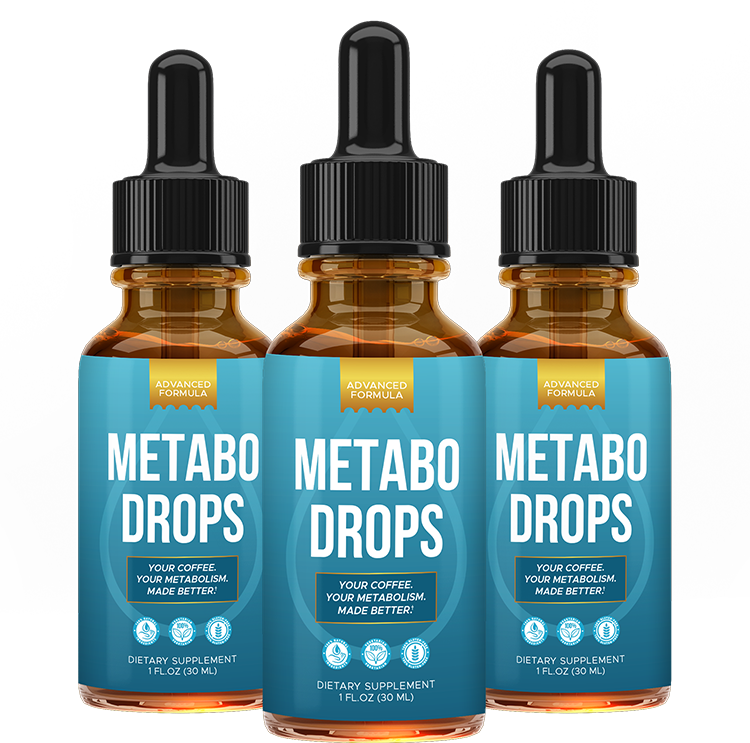
An ingredient list is only the starting point. A credible formula review should establish the exact ingredient identity, form, amount per serving, intended role, human evidence, studied dose range and safety context. For Metabo Drops, the supplied merchant material supports the product's coffee-use positioning, but the accessible materials do not provide a sufficiently reliable full Supplement Facts panel for exact dose-level comparisons.
Evidence rule: We do not infer a dose from marketing copy or from the amount used in an unrelated study. Exact Metabo Drops amounts should be added only after the current label is verified.
How ingredient evidence should be interpreted
Research on an ingredient can show biological plausibility or support a particular outcome under defined conditions. It does not automatically prove that the commercial product containing that ingredient produces the same result. Human trials may use different forms, standardized extracts, doses, durations and populations.
For weight-management products, this distinction is especially important. Acute changes in energy expenditure or fat oxidation are not equivalent to long-term loss of body fat. Likewise, changes in glucose or insulin markers do not establish a general weight-loss effect.
Coffee and chlorogenic acids
Coffee naturally contains several bioactive compounds, including chlorogenic acids. The supplied peer-reviewed research describes coffee as chemically complex and notes that composition varies with bean origin, roasting and brewing. This creates a legitimate scientific context for discussing coffee bioactives, while still requiring caution about finished-product claims.
A useful Metabo Drops assessment should therefore distinguish what comes from the coffee itself from what is added by the drops. If chlorogenic acid is present as a separate ingredient, its exact source, form and amount need to be verified from the product label before making dose-level comparisons.
Green tea and Camellia sinensis
Green tea extracts are commonly studied in metabolic and weight-management research because they can provide catechins and, depending on preparation, caffeine. However, extracts differ substantially. Standardization, catechin profile, caffeine content and dose determine how closely a commercial ingredient resembles a studied intervention.
If Metabo Drops contains a green-tea-derived ingredient, the label should be checked for extract identity and standardization. Without those details, broad statements such as “green tea burns fat” are too imprecise to evaluate the product fairly.
Chromium
Chromium appears in many metabolic-support supplements because of its relationship with normal macronutrient metabolism. The key questions are the chemical form and amount supplied. Evidence about chromium also depends on the population studied and the endpoint measured. It should not be presented as a guaranteed appetite suppressant or weight-loss treatment.
L-carnitine
L-carnitine participates in fatty-acid transport within human metabolism, which makes it attractive in supplement marketing. But a mechanism is not the same as a demonstrated consumer outcome. A formula review should compare the actual Metabo Drops amount and form with controlled human research rather than relying on the pathway alone.
L-theanine and the coffee-use concept
L-theanine is often paired conceptually with caffeine because users are interested in the balance between stimulation and subjective calm or focus. If it is present in Metabo Drops, the relevant question is not merely whether L-theanine has been studied, but whether the finished serving supplies a comparable form and amount. The coffee consumed with the product also changes total caffeine exposure.
Formula transparency: the buyer checklist
Identity
Check the exact ingredient name, extract and chemical form.
Dose
Compare the serving amount with human research rather than marketing language.
Safety
Consider the drops together with coffee, other supplements and medications.
Until the complete current label is verified, the responsible position is to treat dose-specific efficacy conclusions as pending. This does not make the formula ineffective; it means the available evidence is not yet sufficient for a precise dose-to-research comparison.
Ingredient evidence vs finished-product evidence
The strongest evidence ladder for Metabo Drops is: coffee research → ingredient research → verified formula match → finished-product clinical evidence. The supplied research supports the first two layers to varying degrees, but a peer-reviewed clinical trial of the complete finished Metabo Drops formula has not been identified in the provided materials.
That distinction should remain visible to buyers because it prevents individual ingredient studies from being overstated as proof for the full product.
Money-back guarantee context

Check the merchant's current refund terms before ordering
The merchant currently advertises a refund period. The guarantee can reduce commercial risk, but it does not change the scientific evidence for the product. Verify the current window, return requirements and any shipping exclusions at the merchant page.
Review Current Terms