


What does “metabolism” actually mean here?
In supplement advertising, metabolism is often used as shorthand for calorie burning. In physiology it is much broader: energy expenditure, substrate oxidation, glucose handling, hormone signaling and numerous cellular processes all sit within metabolic function. A product can affect one short-term marker without producing a meaningful long-term change in body weight.
Caffeine can acutely influence energy expenditure
Controlled human studies have long shown that caffeine can acutely increase thermogenesis and energy expenditure. The magnitude depends on dose, habitual caffeine use, body size and individual response. Acute metabolic stimulation is therefore biologically plausible, but it should not be translated directly into a guaranteed reduction in body fat.
Fat oxidation is not the same as fat loss
Caffeine has been studied for acute effects on fat oxidation, particularly around exercise. Fat oxidation describes which fuel the body is using over a defined period. Long-term fat loss depends on sustained energy balance and many behavioral and physiological factors. This distinction is essential when evaluating phrases such as “fat burning.”
What the supplied cohort study found
In the Northern Finland Birth Cohort analysis, higher habitual coffee intake groups showed lower total and visceral fat and higher skeletal muscle mass while BMI was similar across groups. Coffee intake also correlated inversely with circulating branched-chain amino acids, and men showed several more favorable glucose-insulin markers. Because the study was cross-sectional, these associations cannot show that coffee caused the body-composition differences.
Habitual coffee and acute caffeine are not interchangeable
An acute caffeine dose and a long-standing coffee habit are different exposures. Coffee contains more than caffeine, including chlorogenic acids and other compounds, while habitual users can develop tolerance to some caffeine effects. This helps explain why acute metabolic studies and observational coffee studies can produce different patterns rather than one simple universal result.
Brewing method changes the exposure
Filtered, boiled, espresso and other coffee preparations differ in caffeine concentration and in compounds such as diterpenes. The supplied peer-reviewed coffee study notes that unfiltered coffee can retain diterpenes that may raise LDL cholesterol, whereas filtering substantially reduces them. A coffee-based supplement therefore sits on top of a beverage whose composition already varies.
What caffeine weight-loss trials suggest
A systematic review and dose-response meta-analysis of randomized controlled trials reported that caffeine intake may promote reductions in weight, BMI and fat mass. The included studies were heterogeneous, however, and a pooled average does not tell us whether a specific coffee routine or finished supplement will create a clinically meaningful effect for an individual.
What this means for Metabo Drops
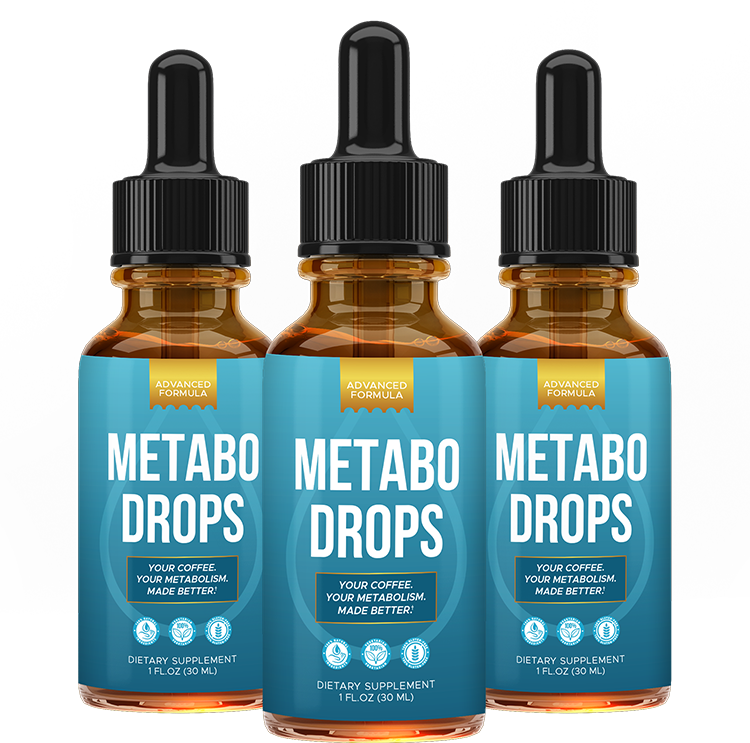
Metabo Drops can reasonably be discussed in the context of coffee and caffeine metabolism because it is intended to be added to coffee. The evidence does not establish that the drops amplify coffee-induced thermogenesis, nor that the combination produces a particular amount of fat loss. Demonstrating that would require a trial of the actual formulation, dose and use pattern.
Evidence ladder: coffee physiology → caffeine trials → ingredient evidence → verified Metabo Drops formula → finished-product trial. The last step cannot be skipped.
Practical interpretation for buyers
If you already drink coffee, the most useful questions are not whether coffee can influence metabolism—it can—but how much caffeine you consume, whether the product formula is transparent, whether its ingredient amounts match studied exposures, and whether your expectations are realistic. A supplement should be viewed as an adjunct to nutrition, activity and sleep rather than a replacement for them.
Money-back guarantee context
Check the merchant's current refund terms before ordering
The merchant currently advertises a refund period. A guarantee can reduce commercial risk, but it does not strengthen the scientific evidence for a product. Verify the current return window, product-return requirements and any shipping exclusions before purchase.
Review Current Terms