

What is green tea extract?
Green tea comes from Camellia sinensis. Extracts concentrate compounds found naturally in the leaves, especially catechins such as EGCG. Some preparations also contain caffeine, while others are formulated to be low in caffeine. Because extracts can differ substantially in catechin concentration, caffeine content and serving size, the words “green tea extract” alone do not tell a buyer whether a product matches the preparation used in a clinical study.
Why green tea is discussed in weight-management products
Green tea catechins and caffeine have been investigated because both can influence pathways connected with energy expenditure and fat oxidation. The U.S. National Center for Complementary and Integrative Health notes that catechins and caffeine may have a modest effect on body weight, but results vary with product composition and physical activity. That is a useful evidence boundary: the research supports scientific interest, not a guaranteed fat-loss outcome.
Practical interpretation: Green tea extract can be relevant to a metabolic-support formula, but the size and consistency of any body-weight effect are limited and depend on the actual extract, dose and user context.
Green tea extract is not the same as drinking green tea
Brewed green tea and concentrated extracts are related but not interchangeable interventions. A cup of tea provides a variable amount of catechins and caffeine. A supplement can deliver a much more concentrated exposure. This matters both for efficacy comparisons and for safety, because adverse effects reported with concentrated green tea products are not directly equivalent to ordinary beverage use.
What the research suggests about body weight
Human studies and reviews have generally found that green tea products, particularly combinations of catechins and caffeine, may produce small changes in body weight or energy expenditure in some populations. These effects should be described as modest. They do not establish that a finished multi-ingredient supplement will reproduce the same result, especially when the exact green tea extract and dose in that formula have not been verified.
Why dose and standardization matter for Metabo Drops
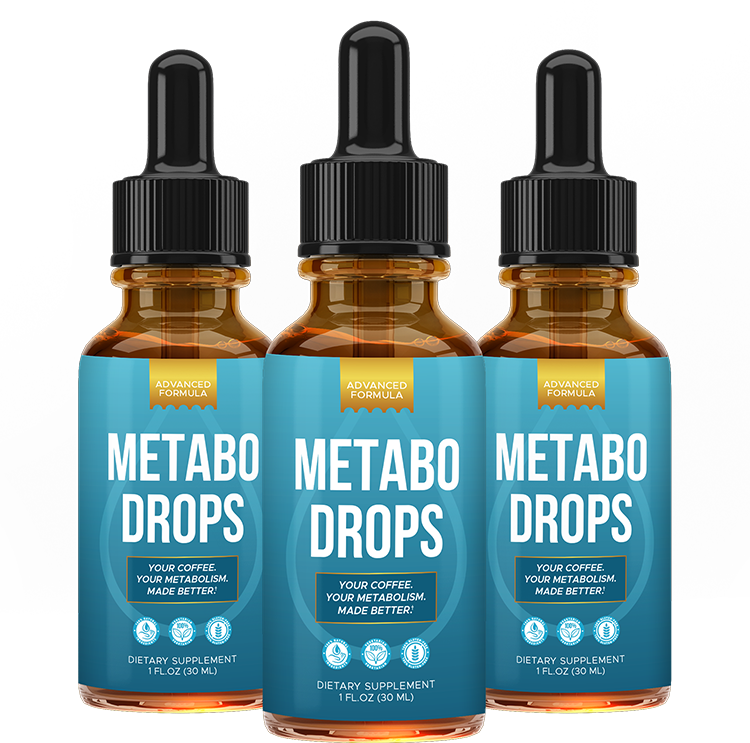
For Metabo Drops, the key unanswered question is not simply whether green tea extract appears on a marketing page. A proper evidence match requires the current Supplement Facts panel, the botanical form, any standardization for catechins or EGCG, the serving amount and the caffeine contribution. Without those details, it is appropriate to discuss green tea evidence generally but not to claim that the product supplies a clinically studied dose.
Safety of concentrated green tea extracts
Green tea as a beverage is generally well tolerated by adults, but concentrated extracts have a different safety profile. NCCIH lists nausea, constipation, abdominal discomfort and increased blood pressure among reported side effects. Rare liver injury has also been reported, mainly with concentrated green tea products. Those reports make dose, formulation and user context important when assessing a supplement.
Medication interactions and caffeine context
Green tea and its extracts can interact with medicines. NCCIH notes documented interactions involving nadolol, atorvastatin and raloxifene, and advises people taking medicines to discuss green tea supplements with a healthcare professional. If a Metabo Drops formulation also contains caffeine or is taken with caffeinated coffee, total stimulant exposure should be considered separately from the catechin content.
How this evidence should affect a buying decision
Green tea extract is a plausible ingredient for a metabolism-focused supplement because there is human research on catechins, caffeine and body-weight-related outcomes. The evidence supports cautious interest rather than strong promises. A transparent product should disclose the extract identity, catechin or EGCG standardization where relevant, caffeine content and amount per serving so that buyers can compare the formula with the research instead of relying on the ingredient name alone.
Bottom line for Metabo Drops buyers
Green tea extract has more human research behind it than many fashionable metabolic ingredients, but the typical weight effect described by authoritative reviews is modest. The ingredient does not by itself prove that Metabo Drops produces meaningful fat loss. Verification of the current label is necessary before making any dose-level comparison or stronger efficacy conclusion.
Money-back guarantee context
Check the merchant's current refund terms before ordering
The merchant currently advertises a refund period. The guarantee can reduce commercial risk, but it does not change the scientific evidence for the product. Verify the current window, return requirements and any shipping exclusions at the merchant page.
Review Current Terms