


What is L-theanine?
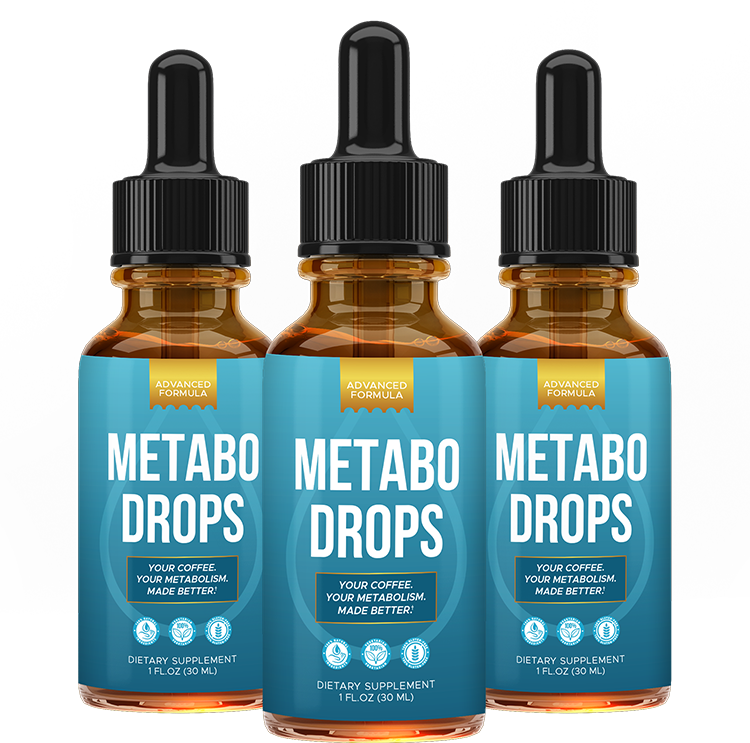
L-theanine is an amino acid found naturally in tea leaves, particularly Camellia sinensis. It is widely used in supplements marketed around calmness, focus and the subjective experience of caffeine. Its relevance to Metabo Drops is therefore different from ingredients marketed directly around body weight: the strongest human evidence is primarily cognitive and affective rather than weight-loss evidence.
Why pair L-theanine with caffeine?
Caffeine can improve alertness and attention, but some people also experience jitteriness, tension or sleep disruption. L-theanine has been investigated alone and in combination with caffeine because the two may produce a different attention or mood profile than caffeine alone. This is a plausible reason to study the combination, but a plausible pairing is not the same as proof that every coffee-plus-theanine product produces the same response.
What randomized-trial reviews show
A systematic review and meta-analysis of randomized controlled trials in healthy participants found small-to-moderate differences favoring L-theanine plus caffeine for several short-term cognition and mood outcomes, including some measures of attention accuracy. Confidence intervals frequently reflected uncertainty about the exact magnitude and direction of effects. The authors concluded that L-theanine with caffeine, and L-theanine alone, may benefit selected cognitive and mood outcomes, while calling for more research in free-living settings.
What newer evidence adds
A later systematic review and meta-analysis of randomized trials reported a robust short-term improvement in choice reaction time after a single 200 mg dose of L-theanine, while acute stress effects were more modest and partly influenced by studies at higher risk of bias. Anxiety findings were inconsistent. This reinforces an important point: “calm focus” is not a single established outcome, and results depend on the measure, dose, timing and population.
Does L-theanine support weight loss?
The direct human evidence for L-theanine is not primarily a weight-loss literature. Attention, stress, mood and sleep are more commonly studied endpoints. It is reasonable to discuss how sleep, stress and dietary behavior can influence weight management generally, but that does not establish L-theanine as a fat-loss ingredient or prove that it changes body weight when included in Metabo Drops.
Evidence boundary: A cognitive or mood effect from L-theanine plus caffeine should not be rewritten as evidence that the combination increases fat loss.
Dose and formula matching
Research interpretation requires the actual amount and form used. Many acute cognition studies use defined L-theanine doses, often alongside a specified caffeine dose. If the current Metabo Drops label does not disclose an amount that can be compared with those interventions, the literature can establish ingredient plausibility but not close formula matching.
Coffee matters independently
The coffee used with Metabo Drops supplies its own caffeine and other bioactive compounds. Cup size, bean type, brewing method and personal caffeine tolerance can change exposure. A user who drinks several coffees a day may have a substantially different total caffeine intake from someone using one small cup. That matters for both tolerability and interpretation of any perceived effect.
Safety and practical considerations
L-theanine has generally been well tolerated in randomized trials, but product-level safety still depends on the complete formula and on the coffee consumed with it. People who are sensitive to caffeine, pregnant or breastfeeding, using medications, or managing a medical condition should assess the full product rather than assuming that the presence of L-theanine neutralizes caffeine-related effects.
Bottom line for Metabo Drops buyers
L-theanine is a credible ingredient for a coffee-oriented formulation because human trials have examined it both alone and with caffeine for attention and mood. The evidence is more persuasive for short-term cognitive outcomes than for stress, anxiety or weight loss. Without a verified Metabo Drops dose and finished-product trial, the research should be treated as ingredient context rather than proof of the complete product.
Money-back guarantee context

Check the merchant's current refund terms before ordering
The merchant currently advertises a refund period. A guarantee can reduce commercial risk, but it does not strengthen the scientific evidence for a product. Verify the current return window, product-return requirements and any shipping exclusions before purchase.
Review Current Terms