

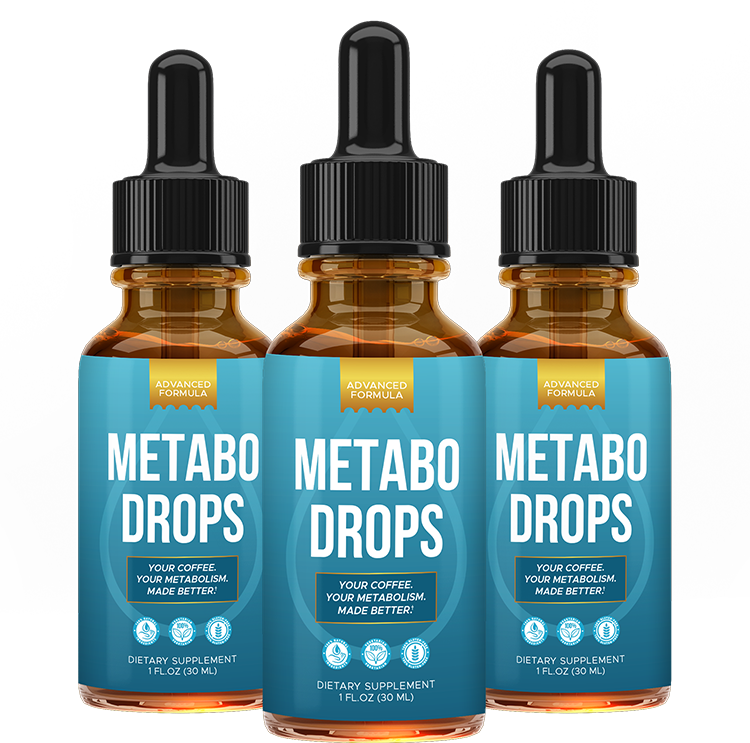
Why compare claims with evidence?
Supplement sales pages are designed to persuade. Research papers are designed to answer narrower scientific questions. A useful buyer analysis translates between the two without treating marketing language as if it were a clinical conclusion.
Core rule: evidence about coffee, caffeine or an individual ingredient is not automatically evidence that the complete Metabo Drops formulation produces the same outcome.
Claim: “boosts metabolism”
Coffee and caffeine are legitimate subjects of metabolic research. Studies have examined energy expenditure, substrate use, glucose-insulin markers and other metabolic endpoints. The supplied cohort research also reports associations between habitual coffee intake and several cardiometabolic measures.
That supports the statement that coffee-related physiology is scientifically studied. It does not establish that Metabo Drops itself has been shown to increase metabolic rate by a clinically meaningful amount.
Claim: “increases fat burning”
Caffeine has been studied for acute effects on fat oxidation, including during exercise. Acute fat oxidation describes fuel use over a limited period. It is not synonymous with sustained loss of stored body fat. A product-specific fat-loss claim would require direct testing of the finished formulation over an appropriate duration.
Claim: supports weight loss
Research on caffeine, coffee and some nutritional ingredients can contribute to biological plausibility. Long-term body weight, however, reflects cumulative energy intake, energy expenditure and many behavioral and physiological factors. The supplied materials do not include a randomized clinical trial showing how much weight users of the complete Metabo Drops formula lose versus an appropriate control.
Claim: reduces hunger
Coffee and caffeine have been studied in relation to appetite and energy intake, but results depend on study design, timing, dose and population. Even when a short-term appetite effect is observed, it should not be converted into a guaranteed long-term reduction in calorie intake or body weight. The supplied research set does not establish a finished-product appetite effect for Metabo Drops.
Claim: provides calm, steady energy
Energy and alertness are subjective outcomes influenced by caffeine dose, tolerance, sleep, meal timing and individual sensitivity. L-theanine is often studied alongside caffeine for attention and mood-related outcomes, but that evidence concerns specific interventions rather than the entire commercial formula. Without verified product doses and direct finished-product testing, the strongest wording remains contextual.
Claim: “scientifically proven”
The phrase “scientifically proven” is too broad unless the exact product, exact formulation, dose, population and outcome have been directly tested with sufficiently strong evidence. The supplied materials include relevant research on coffee and metabolic physiology but do not contain a peer-reviewed randomized trial of the complete Metabo Drops formulation. MPS therefore does not use this phrase as an independent conclusion.
Claim: “100% safe” or “zero side effects”
Absolute safety language is difficult to support for almost any active supplement because tolerance varies by person, dose, concurrent medicines, other supplements and health status. In this case the coffee-use context adds another variable because caffeine itself can cause unwanted effects in susceptible users. The supplied evidence does not establish universal absence of side effects for Metabo Drops.
Claim: FDA-related manufacturing language
Manufacturing in an FDA-registered or regulated facility is not the same as the dietary supplement itself being FDA approved. Product-level FDA approval should not be implied unless an actual approval exists for that product and intended use. Facility or GMP claims should also be verified from current documentation before being displayed as independent certification badges.
Claim: non-GMO, vegetarian, gluten-free or GMP
These may be legitimate product attributes, but they are verification questions rather than efficacy evidence. The current label or appropriate manufacturer/certifier documentation should support each claim before it is presented as a confirmed badge. Even when verified, these attributes do not establish fat-loss or metabolic effectiveness.
Claims-to-evidence matrix
| Commercial theme | Evidence available | MPS interpretation |
|---|---|---|
| Metabolism | Coffee/caffeine metabolic research | Contextual support; not direct product proof |
| Fat burning | Acute caffeine/fat-oxidation research | Acute physiology should not be equated with long-term fat loss |
| Weight management | Mixed coffee/caffeine and ingredient research | No quantified finished-product effect established in supplied sources |
| Appetite | Research exists on coffee/caffeine and satiety-related endpoints | Not sufficient to promise reduced hunger from the product |
| Energy/focus | Caffeine and some ingredient research | Depends on dose, tolerance and exact formula |
| Universal safety | No finished-product safety trial supplied | Absolute claim not supported |
What evidence would materially strengthen the case?
The strongest improvement would be a peer-reviewed randomized controlled trial of the exact commercial formula, using a verified dose for a meaningful duration and measuring objective outcomes relevant to the marketing claims. A transparent Supplement Facts panel with exact ingredient forms and amounts would also allow a much better comparison between the product and published ingredient studies.
Practical interpretation for buyers
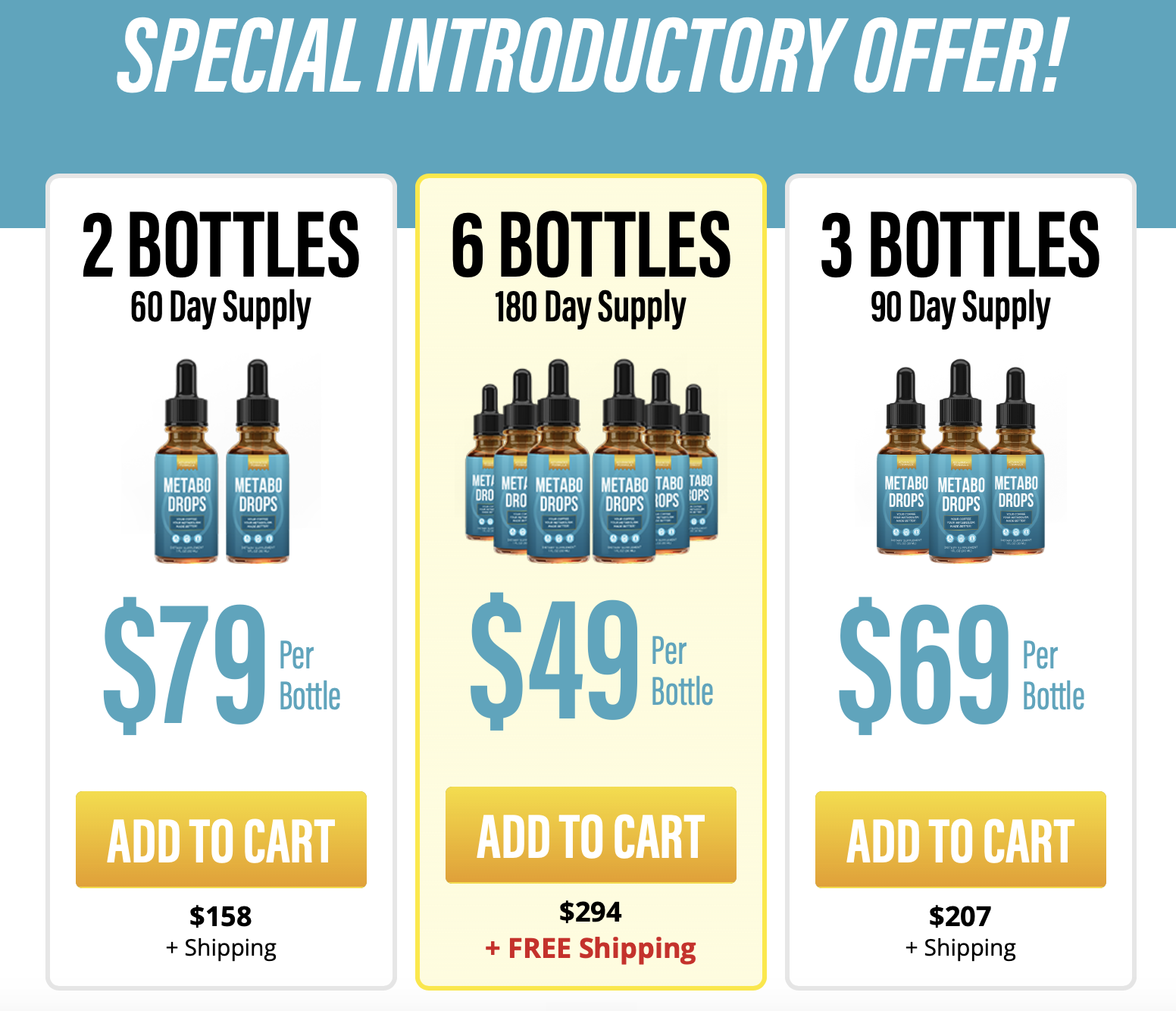
Metabo Drops has a commercially understandable concept: combine a coffee routine with a liquid supplement positioned around metabolic support. The research basis is most credible when described as indirect and ingredient-level rather than as proof that the finished product guarantees fat loss, appetite reduction or a particular metabolic outcome. Buyers can still value convenience, format and refund terms while keeping scientific expectations proportionate to the available evidence.
Money-back guarantee context
Check the merchant's current refund terms before ordering
The merchant currently advertises a refund period. A guarantee can reduce commercial risk, but it does not strengthen the scientific evidence for a product. Verify the current return window, product-return requirements and any shipping exclusions before purchase.
Review Current Terms