Magnesium and Blood Sugar: Deficiency, Metabolic Evidence and Safety
Understand magnesium intake, insulin-related research, kidney precautions and how to evaluate supplements.
Affiliate disclosure: We may receive a commission from qualifying purchases via linked offers. This page uses desk research and supplied merchant materials; it does not claim personal product testing. Dietary supplements are not treatments for diabetes.

Blood Armor purchase options
Compare Blood Armor Purchase Options
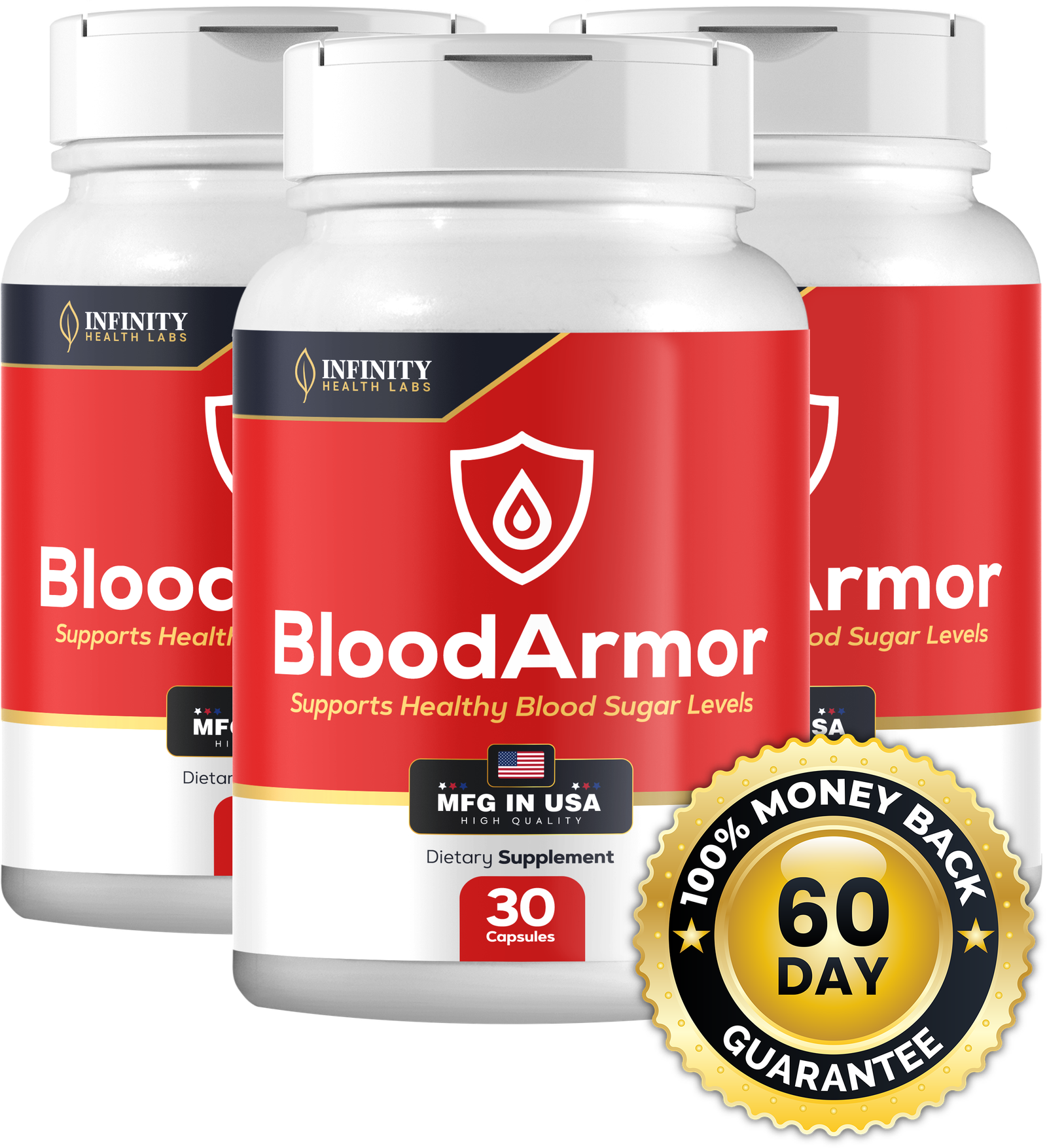
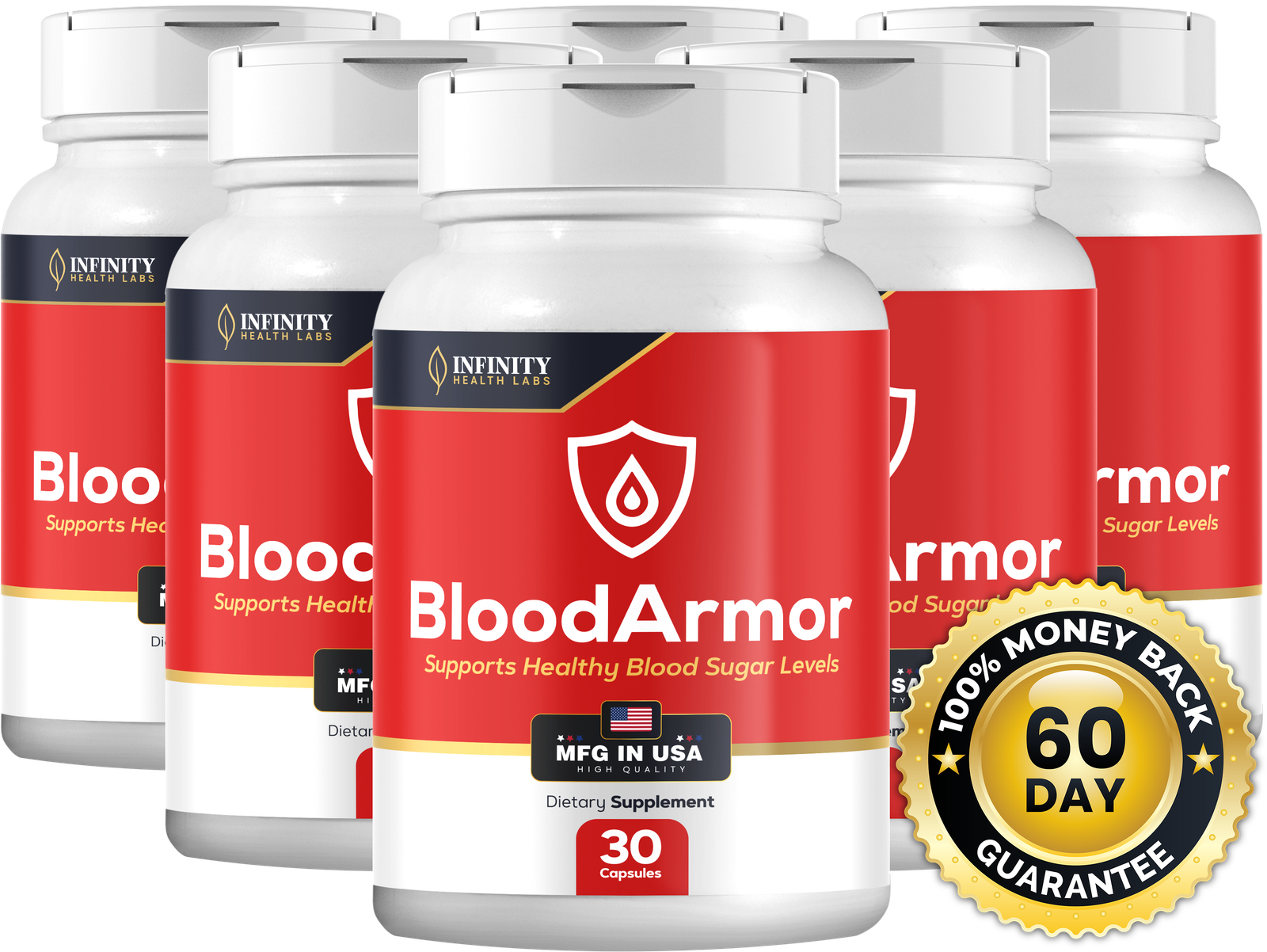
Explore the merchant’s advertised packages. Confirm current totals, availability, shipping and refund conditions at checkout.
Check Current Blood Armor Offer ↗Advertisement • Affiliate link • Package figures shown in the supplied artwork may change.

Kidney function and supplemental magnesium safety
Kidneys play an important role in regulating magnesium balance. People with significantly impaired kidney function may be at greater risk of excess magnesium from certain products. Supplemental magnesium can also cause diarrhea, nausea or abdominal discomfort, particularly at higher amounts. The NIH Office of Dietary Supplements describes a tolerable upper intake level for supplemental magnesium that differs from naturally occurring food magnesium; individual clinical circumstances may require more specific restrictions. Other medications can interact with mineral supplements by affecting absorption. These issues make both dose and medical context important. No product-specific Blood Armor magnesium safety assessment is possible without its authenticated formula.
Blood Armor purchase options
Review the Current Blood Armor Offer
Explore the merchant’s advertised packages. Confirm current totals, availability, shipping and refund conditions at checkout.
Check Current Blood Armor Offer ↗Advertisement • Affiliate link • Package figures shown in the supplied artwork may change.
Why magnesium matters to normal metabolism
Magnesium is an essential mineral involved in hundreds of enzyme-mediated processes, including cellular energy metabolism and normal muscle and nerve function. People researching glucose regulation often encounter magnesium because observational studies have linked dietary patterns and magnesium status to metabolic outcomes. Such associations are not proof that taking extra magnesium will lower blood sugar. A central distinction is the difference between meeting nutritional requirements and treating a diagnosed metabolic condition with a supplement. The NIH Office of Dietary Supplements provides guidance on dietary sources, intake recommendations, different compound forms and safety. Blood Armor’s present label has not been verified, so magnesium must not be described as a confirmed ingredient of that product.
Dietary magnesium versus supplement tablets
Magnesium occurs in legumes, seeds, nuts, whole grains and leafy vegetables, among other foods. A varied eating pattern may provide magnesium along with fiber and other nutrients. Supplements differ in chemical form and amount of elemental magnesium. A label listing the weight of a magnesium compound is not necessarily equivalent to the elemental amount delivered. A consumer comparing products should read the Supplement Facts panel and serving size rather than relying on the prominence of the mineral name on packaging. Dietary adequacy and the appropriate supplementation decision vary by age, health status and individual circumstances; advertising cannot determine whether a person has a deficiency.
Clinical trials and glucose outcome uncertainty
Magnesium supplementation has been examined in selected groups, including people with type 2 diabetes, impaired glucose regulation or low magnesium status. Some systematic reviews report changes in fasting glucose or insulin-related measures, while the evidence is heterogeneous. Trials differ in baseline magnesium status, preparation, dose, comparator and concurrent treatment. A favorable average outcome is not evidence that the same result will occur in a person whose magnesium intake is already adequate. HbA1c, fasting glucose and surrogate insulin-sensitivity indices represent distinct endpoints and should not be grouped under a single unsupported claim of improved metabolic health. Strong product claims require product-matched clinical evidence, not only general mineral studies.
A deficiency question is different from a treatment claim
When a person has inadequate dietary magnesium intake or a clinically relevant deficiency, assessment and correction may be medically appropriate. This does not establish that high-dose magnesium will prevent diabetes or replace treatment. Some health conditions and medications can affect magnesium status, and professional advice may be needed to understand the underlying cause. People interpreting laboratory values should be aware that magnesium assessment has limitations and does not reduce to a marketing checklist. A useful evidence article distinguishes nutritional sufficiency, epidemiological associations and randomized supplementation trials. Treating all three as equivalent would overstate what clinical research can support.
Medicine timing and interaction considerations
Magnesium supplements can interfere with absorption of some antibiotics and other medications if taken close together. Certain medicines can also affect magnesium status. The correct timing and need for supplementation depend on the individual regimen, which is why pharmacists and clinicians can be valuable sources of personalized information. People using prescribed glucose-lowering treatment should not add a supplement with the expectation of replacing monitoring or medicines. A label may not capture every situation, and a general webpage cannot determine a particular person’s risk. Product disclosure should encourage appropriate professional review rather than promise a simple universal schedule.
How to compare supplement forms responsibly
Magnesium citrate, oxide, glycinate and other forms may differ in elemental content, gastrointestinal tolerance and studied contexts. Commercial terminology should not be used to rank a form as the universal best choice without endpoint-specific evidence. Check the actual form on the label, the amount of elemental magnesium, dosing frequency and other included substances. Then determine whether published data evaluate a comparable intervention for the intended question. Ingredient-level conclusions do not demonstrate effectiveness of an unrelated multi-ingredient product. A quality claim such as GMP or third-party tested should be substantiated separately and never treated as proof of clinical benefit.
A decision framework for metabolic wellness
Start with the user need: dietary adequacy, possible deficiency, general wellness curiosity or a clinical glucose concern. Assess dietary intake and clinical context, including kidney health and medicines, before comparing formulas. If a supplement is considered, inspect product details and the strength of human evidence instead of selecting on broad benefit language alone. Separate verified merchant conditions from health claims; a package discount and return policy concern the transaction, not the outcome. The ADA advises against routine supplement use for glycemic benefits in diabetes management. Readers concerned about an HbA1c or fasting-glucose finding should obtain clinical guidance rather than rely on a supplement advertisement.
Clinical references and source notes
NCCIH — Diabetes and Dietary Supplements: What You Need To Know
American Diabetes Association — Standards of Care in Diabetes—2026, Section 5
These sources support general evidence and regulatory context, not an independent claim of Blood Armor product effectiveness. This review is based on published literature and supplied product material; no personal testing has been performed.
Blood Armor purchase options
Explore Blood Armor Packages Before You Decide
Explore the merchant’s advertised packages. Confirm current totals, availability, shipping and refund conditions at checkout.
Check Current Blood Armor Offer ↗Advertisement • Affiliate link • Package figures shown in the supplied artwork may change.