Gymnema and Blood Sugar: Botanical Evidence, Extracts and Risks
Explore Gymnema sylvestre research, preparation differences, safety questions and responsible product evaluation.
Affiliate disclosure: We may receive a commission from qualifying purchases via linked offers. This page uses desk research and supplied merchant materials; it does not claim personal product testing. Dietary supplements are not treatments for diabetes.
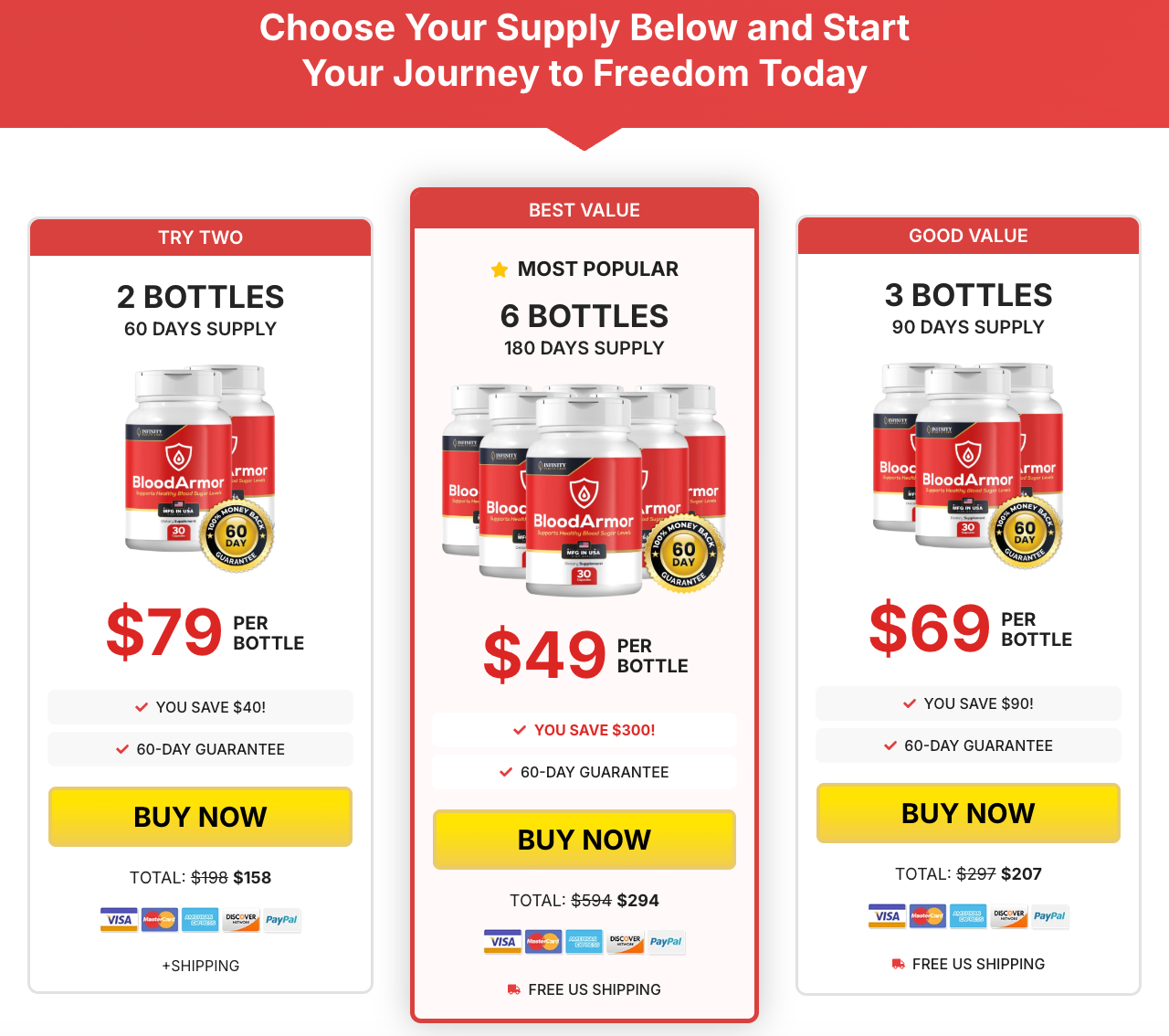
Blood Armor purchase options
Compare Blood Armor Purchase Options
Explore the merchant’s advertised packages. Confirm current totals, availability, shipping and refund conditions at checkout.
Check Current Blood Armor Offer ↗Advertisement • Affiliate link • Package figures shown in the supplied artwork may change.


Potential side effects and glucose-related interactions
Botanical products can produce adverse reactions and interact with medicines, even if marketed as natural. For someone using insulin or other glucose-lowering treatment, an ingredient promoted for glucose effects requires additional caution because interactions and changes in glucose regulation may be consequential. Evidence about Gymnema-specific risk is limited by the quality and scope of published research, so uncertainty itself should be recorded. Pregnancy, breastfeeding, known organ disease and polypharmacy are further situations that call for medical review. Any product-level adverse effect statement should rely on its actual formula, not be constructed by adding together speculative hazards of ingredients not yet verified on the label.
Blood Armor purchase options
Review the Current Blood Armor Offer
Explore the merchant’s advertised packages. Confirm current totals, availability, shipping and refund conditions at checkout.
Check Current Blood Armor Offer ↗Advertisement • Affiliate link • Package figures shown in the supplied artwork may change.
What Gymnema sylvestre is and why it is studied
Gymnema sylvestre is a botanical used in some traditional medicinal practices and sold in supplements marketed for glucose or metabolic wellness. Much of its marketing refers to extracts or compounds sometimes called gymnemic acids. Botanical familiarity and plausible mechanisms do not establish that the plant improves human health outcomes. Studies differ in product composition and scientific rigor. For a useful decision, the relevant questions are whether credible controlled human studies have measured clinically meaningful endpoints, whether independent groups reproduced findings and whether adverse effects were adequately assessed. The verified Blood Armor label is not currently available, so this botanical is presented as a research topic rather than a confirmed formula component.
Traditional use and laboratory hypotheses
Traditional accounts can explain why a plant became a research subject, but cannot establish efficacy for an advertised finished product. Laboratory experiments may assess cellular pathways, intestinal absorption or other biological hypotheses; these results do not prove improved HbA1c or prevention of diabetes in people. Animal research likewise cannot stand in for adequately controlled human trials. When websites mention that Gymnema may influence sweet-taste perception, that observation should not be transformed into a promise that a capsule will control appetite or blood glucose. Distinguishing observations, hypotheses and clinical outcomes prevents attractive mechanistic narratives from appearing stronger than the evidence actually is.
Quality of the available human literature
Human investigations involving Gymnema have included small samples and diverse designs, with limited comparability across extracts. A study lacking randomization or a suitable control group cannot reliably separate an intervention effect from concurrent dietary changes, other medicines or natural variation. Outcomes may involve fasting glucose, HbA1c or other measures, which must be identified precisely. Some studies use multi-ingredient combinations, making attribution to a single botanical especially uncertain. Evidence quality should therefore be described cautiously, and the absence of strong finished-product trials should be made explicit. A favorable small study does not justify describing an untested retail blend as clinically proven.
Extract identity and standardization
Common botanical names can conceal substantial variation. Relevant label data include the scientific species, plant part, extraction process, standardization and actual amount per serving. One standardized preparation cannot automatically be treated as equivalent to a powder or another extract sold under the same name. If a study used a specified extract, conclusions should remain limited to that studied intervention unless equivalence is shown. This is particularly important for product comparison tables, where two brands might list Gymnema but provide no comparable characterization. Without a clear current label, Blood Armor cannot responsibly be matched to a Gymnema study or represented as containing a particular standardized extract.
How to read a promotional efficacy claim
Claims such as balances blood sugar, improves insulin function or reverses diabetes describe different levels of implication. Each requires evidence matched to the claimed outcome and intervention. A testimonial cannot substitute for a controlled study, and a merchant’s graph may omit baseline values, comparisons, uncertainty or concurrent treatment. Ask for the original study, study population, randomized comparator, quantity administered, duration and actual measured change. Check whether the cited paper examined Gymnema alone or combined with medicines or other botanicals. Without that context, even authentic research can be presented in a way that misleads prospective buyers.
Alternatives and the role of standard care
Magnesium, cinnamon, chromium and berberine are other ingredients often mentioned in glucose-supplement discussions, but none should be ranked against Gymnema by comparing unrelated clinical averages. The best-supported approaches to elevated glucose involve medical evaluation and individualized attention to dietary patterns, physical activity and treatment when indicated. The ADA recommends against routine herbal and micronutrient supplements specifically for glycemic benefits in diabetes care. This guidance provides context for interpreting uncertain Gymnema findings. Interested consumers can continue evaluating product quality and purchase conditions, but should not mistake exploratory supplement research for a replacement for established treatment.
Checklist for assessing a Gymnema-containing product
Verify the product label first and confirm the botanical’s scientific identity, plant part, standardized extract details and labeled quantity. Check whether any cited trial used a matching preparation at a comparable exposure. Look for publicly accessible adverse-event information and consider medication interactions with a qualified professional. Independently verify seller identity, refund rules and any manufacturing certification. A multi-bottle offer can be compared for purchasing value, but no amount of favorable offer design validates a glucose claim. If Blood Armor’s current formula is later verified to include Gymnema, that specific finding can be incorporated with appropriate sourcing and qualification. Until then, the product relationship remains unconfirmed.
Clinical references and source notes
NCCIH — Diabetes and Dietary Supplements: What You Need To Know
American Diabetes Association — Standards of Care in Diabetes—2026, Section 5
These sources support general evidence and regulatory context, not an independent claim of Blood Armor product effectiveness. This review is based on published literature and supplied product material; no personal testing has been performed.
Blood Armor purchase options
Explore Blood Armor Packages Before You Decide
Explore the merchant’s advertised packages. Confirm current totals, availability, shipping and refund conditions at checkout.
Check Current Blood Armor Offer ↗Advertisement • Affiliate link • Package figures shown in the supplied artwork may change.