HbA1c and Supplements: Interpreting Blood Sugar Research
Understand what HbA1c measures, what supplement trials report, and why advertised wellness benefits are not equivalent to lowering HbA1c.
Affiliate disclosure: We may receive a commission from qualifying purchases via linked offers. This page uses desk research and supplied merchant materials; it does not claim personal product testing. Dietary supplements are not treatments for diabetes.
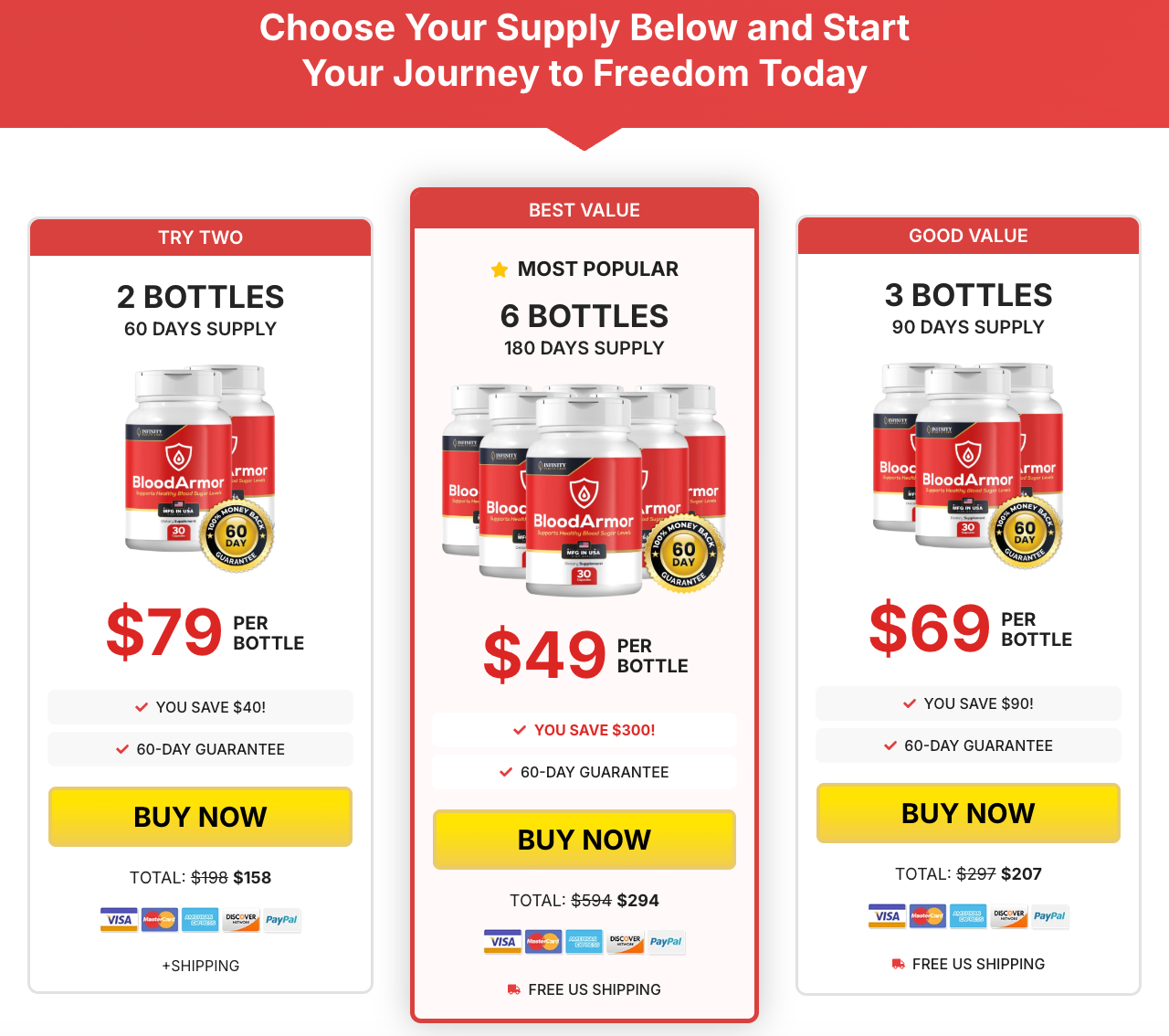
Blood Armor purchase options
Compare Blood Armor Purchase Options
Explore the merchant’s advertised packages. Confirm current totals, availability, shipping and refund conditions at checkout.
Check Current Blood Armor Offer ↗Advertisement • Affiliate link • Package figures shown in the supplied artwork may change.
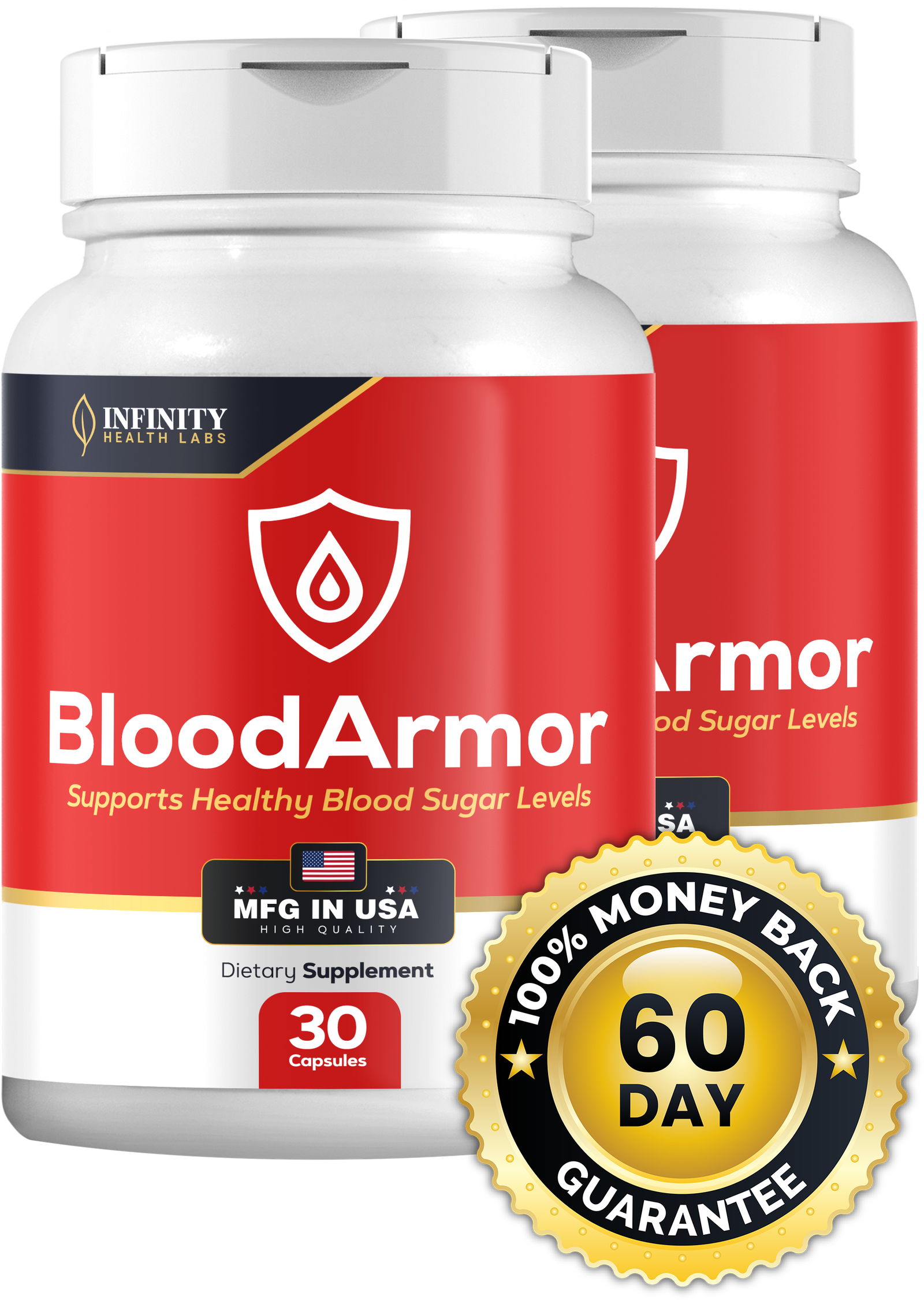
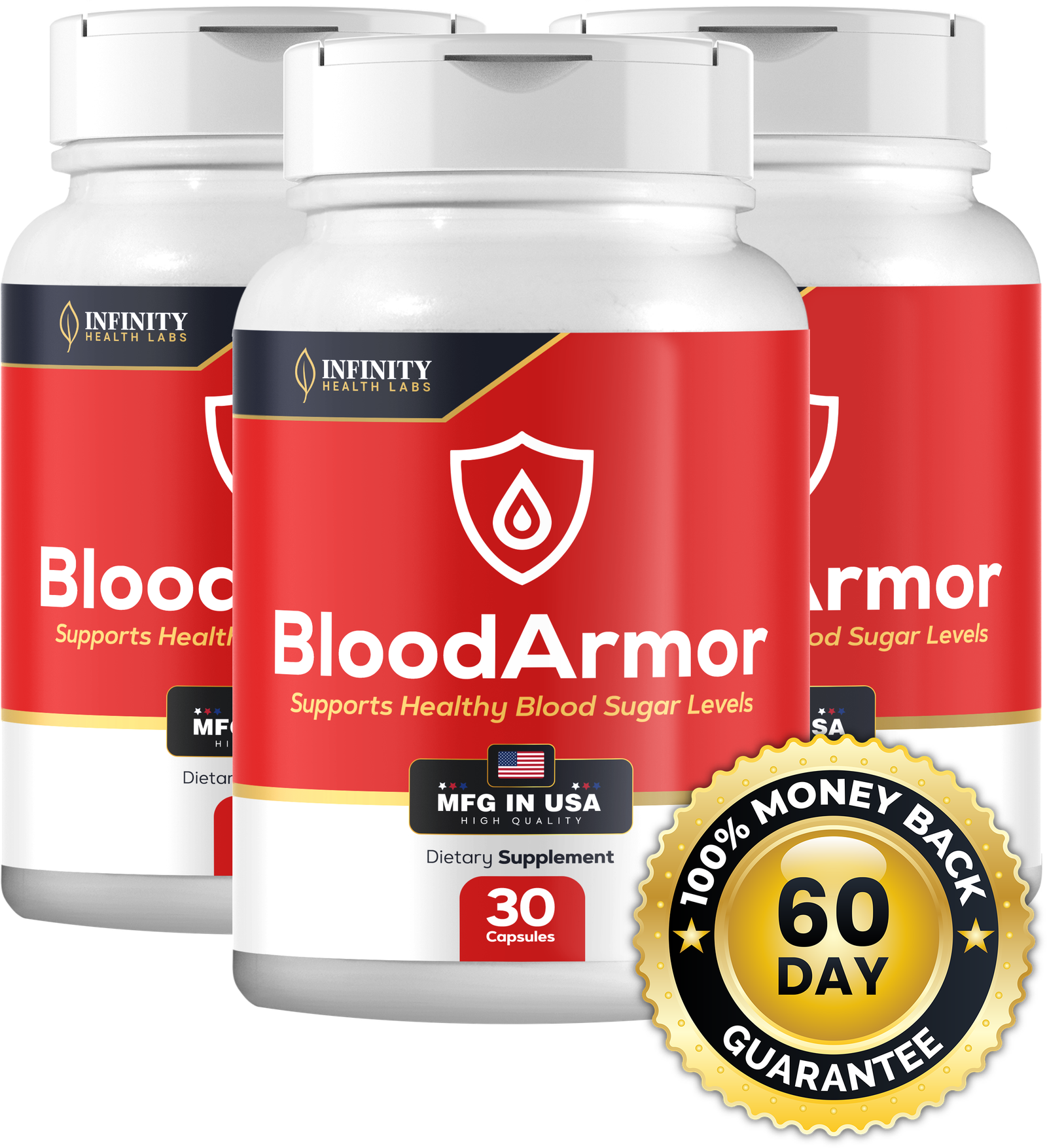
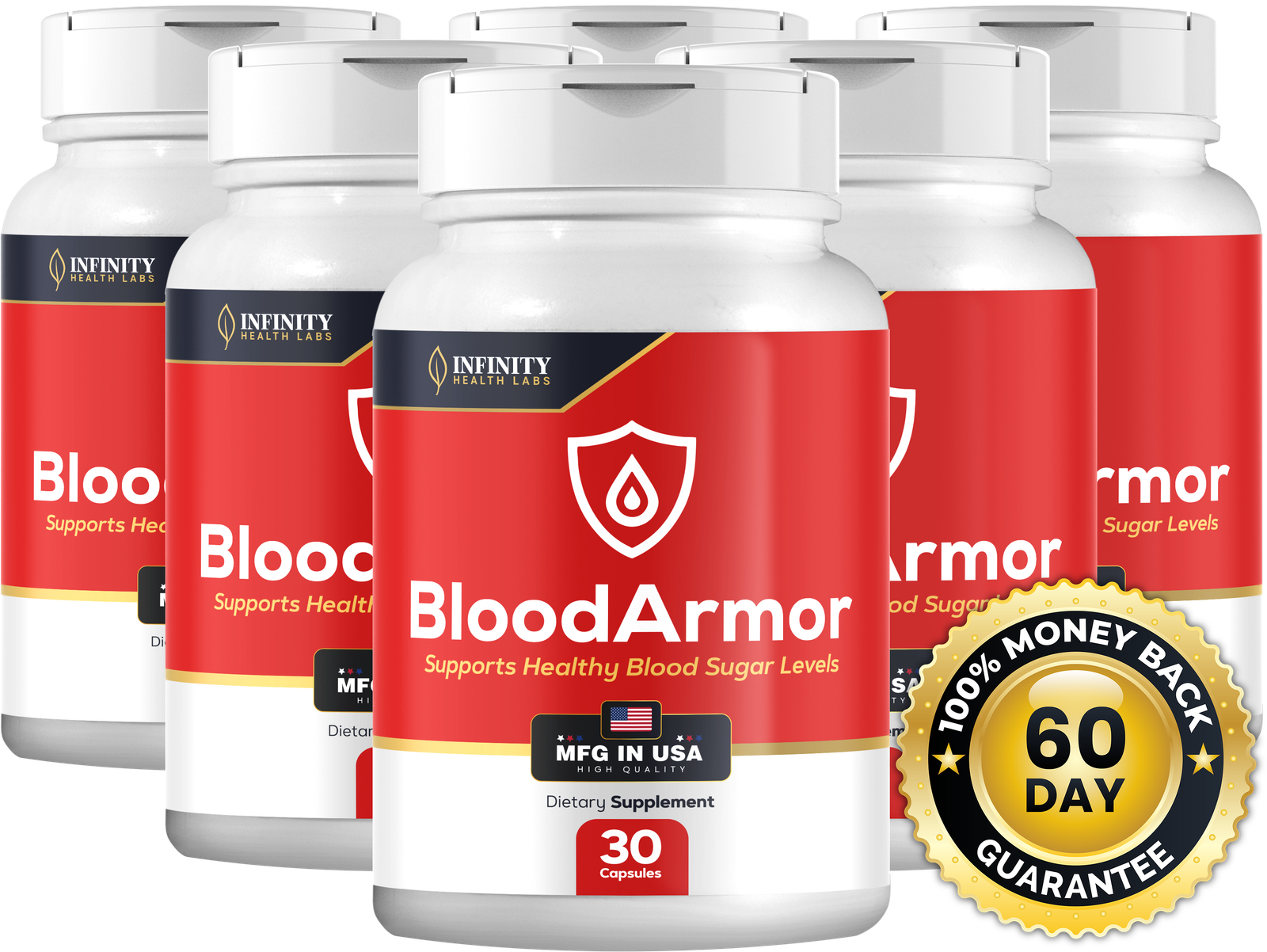
How ingredient reviews report HbA1c
Some reviews of chromium and berberine interventions describe possible effects on HbA1c in selected study populations. The NCCIH summary emphasizes heterogeneity and limitations that prevent firm conclusions. Other compounds, such as cinnamon, have been assessed using different glucose and metabolic endpoints. A result for one standardized ingredient at one studied dose cannot be assumed for an undisclosed mixture. When reading any claim, check whether it comes from a placebo-controlled human trial, a systematic review, a mechanistic hypothesis or a commercial label.
Blood Armor purchase options
Review the Current Blood Armor Offer
Explore the merchant’s advertised packages. Confirm current totals, availability, shipping and refund conditions at checkout.
Check Current Blood Armor Offer ↗Advertisement • Affiliate link • Package figures shown in the supplied artwork may change.
What HbA1c actually measures
Hemoglobin A1c, commonly written HbA1c or A1C, is a laboratory measurement associated with average blood-glucose exposure over roughly the previous two to three months. It measures the share of hemoglobin with glucose attached, rather than recording a single finger-stick or sensor reading. Clinicians use HbA1c for screening and monitoring in an appropriate context. It is not a complete account of daily glucose variation, and its interpretation can be affected by conditions involving red blood cells, certain hemoglobin variants and other factors. The question “Does a supplement improve blood sugar?” is too broad unless the study identifies the measured endpoint and magnitude.
HbA1c versus fasting glucose
A fasting glucose test provides a point-in-time measurement under specified fasting conditions. HbA1c reflects a longer timeframe. An intervention may show a short-term change in fasting values without demonstrating a meaningful difference in HbA1c, especially if a trial is brief or the intervention effect is inconsistent. Likewise, a reported mean change in HbA1c does not describe whether an individual has dangerous low-glucose episodes or significant daily swings. These measures are related but not interchangeable. Comparing research requires keeping units, sampling procedures, baseline values and duration explicit.
Why study duration is essential
Because HbA1c integrates glucose exposure over months, a study lasting only a few days or weeks may not be capable of demonstrating a reliable change in that marker. Some dietary-supplement studies are short, small or affected by changes in diet, medication and activity during follow-up. A credible analysis should document how long the intervention lasted and whether participants were monitored consistently. Studies of higher-quality designs can still be limited if participants drop out or if the outcome was not prespecified. A striking headline about “fast blood sugar results” cannot stand in for this methodological detail.
The 2026 guideline perspective
The American Diabetes Association 2026 recommendations state that micronutrient and herbal supplementation is not recommended for glycemic benefits for people with diabetes. This is a professional interpretation of a large and uneven evidence base, not a claim that every single small trial produced the same result. It gives readers an important benchmark against advertising that promises normalized HbA1c through supplements. Medical management of diabetes should rely on professional assessment, established care and individualized goals. A dietary supplement should never be presented as a substitute for prescribed treatment.
Could a Blood Armor study answer the question?
In principle, a finished-product clinical trial could test whether a fixed and fully described Blood Armor formula changes HbA1c in an appropriate population. Such research would need an adequate comparison group, consistent monitoring, relevant duration and transparent safety reporting. The supplied product materials do not establish that a qualifying trial exists. Until a specific trial and matching formulation can be verified, a statement that Blood Armor reduces HbA1c is not supported. This distinction protects readers from confusing laboratory terminology with proof of commercial product effectiveness.
Questions to ask about reported results
First check what the study participants had at baseline: a healthy metabolic profile, prediabetes or diagnosed diabetes. Then ask whether participants received concurrent medication and whether it changed. Look at the actual measured difference, units and confidence intervals, rather than a percentage claim without context. Ask whether side effects were recorded and whether withdrawals could have biased results. Finally, determine if the product sold to consumers contains the same preparation and quantity as the studied intervention. These questions make a report useful for decision-making rather than just persuasive marketing.
Practical monitoring and clinical discussion
People concerned about an HbA1c result should discuss its meaning with a healthcare professional and avoid independently discontinuing or changing prescribed medicines. Nutrition, activity and individualized medical care can be important parts of management. Even seemingly modest changes to dietary supplements can interact with other treatments. If a consumer wishes to explore Blood Armor as a product, the commercial offer can be reviewed independently of any unsupported promise of HbA1c improvement. Medical testing and commercial purchasing are separate decisions.
Clinical references and source notes
NCCIH — Diabetes and Dietary Supplements: What You Need To Know
American Diabetes Association — Standards of Care in Diabetes—2026, Section 5
These sources support general evidence and regulatory context, not an independent claim of Blood Armor product effectiveness. This review is based on published literature and supplied product material; no personal testing has been performed.
Blood Armor purchase options
Explore Blood Armor Packages Before You Decide
Explore the merchant’s advertised packages. Confirm current totals, availability, shipping and refund conditions at checkout.
Check Current Blood Armor Offer ↗Advertisement • Affiliate link • Package figures shown in the supplied artwork may change.