Chromium Supplements and Blood Sugar: Evidence, Forms and Interactions
Understand chromium supplements, mixed glucose findings, and when ingredient-level research is relevant.
Affiliate disclosure: We may receive a commission from qualifying purchases via linked offers. This page uses desk research and supplied merchant materials; it does not claim personal product testing. Dietary supplements are not treatments for diabetes.
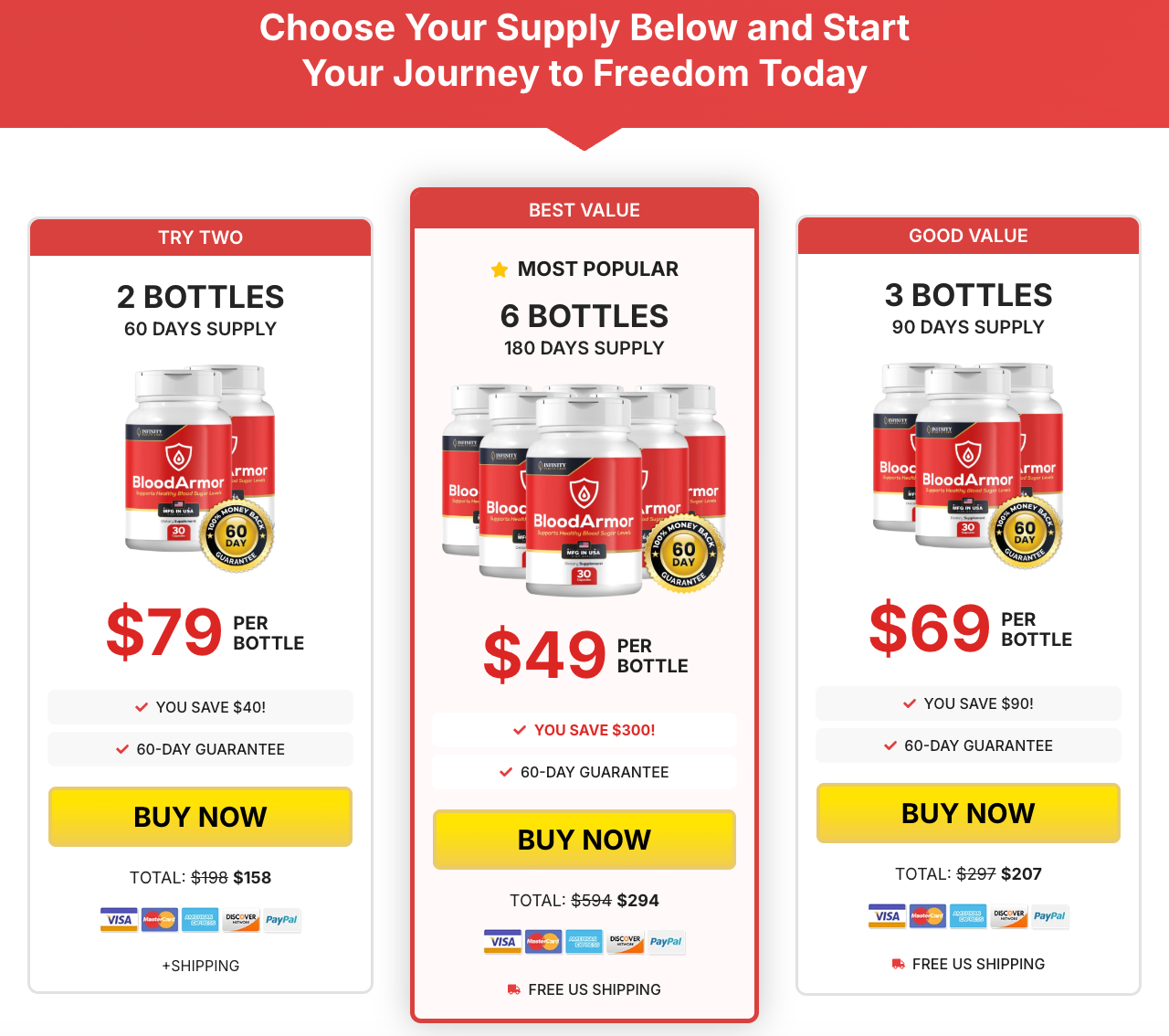
Blood Armor purchase options
Compare Blood Armor Purchase Options
Explore the merchant’s advertised packages. Confirm current totals, availability, shipping and refund conditions at checkout.
Check Current Blood Armor Offer ↗Advertisement • Affiliate link • Package figures shown in the supplied artwork may change.
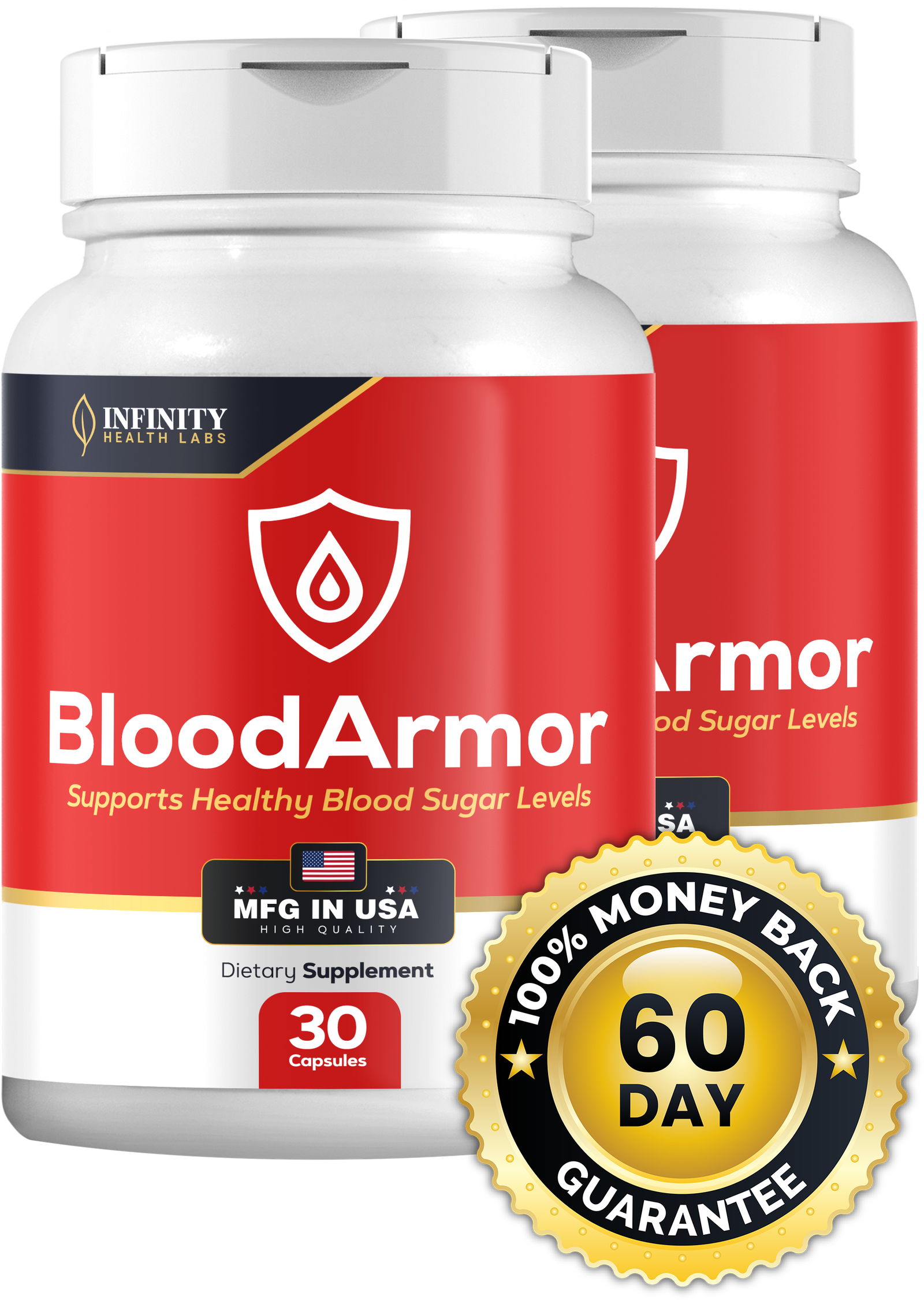
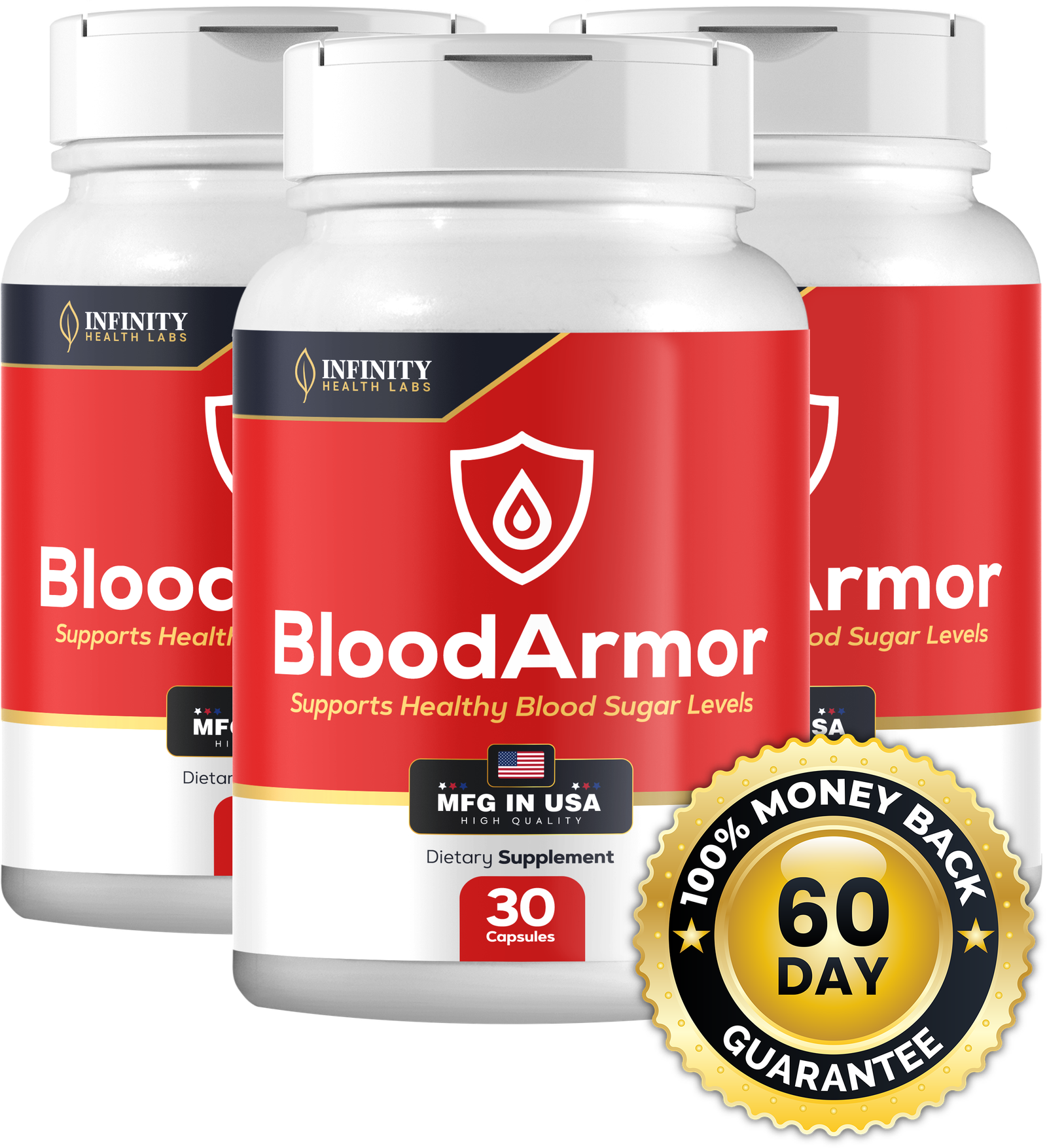
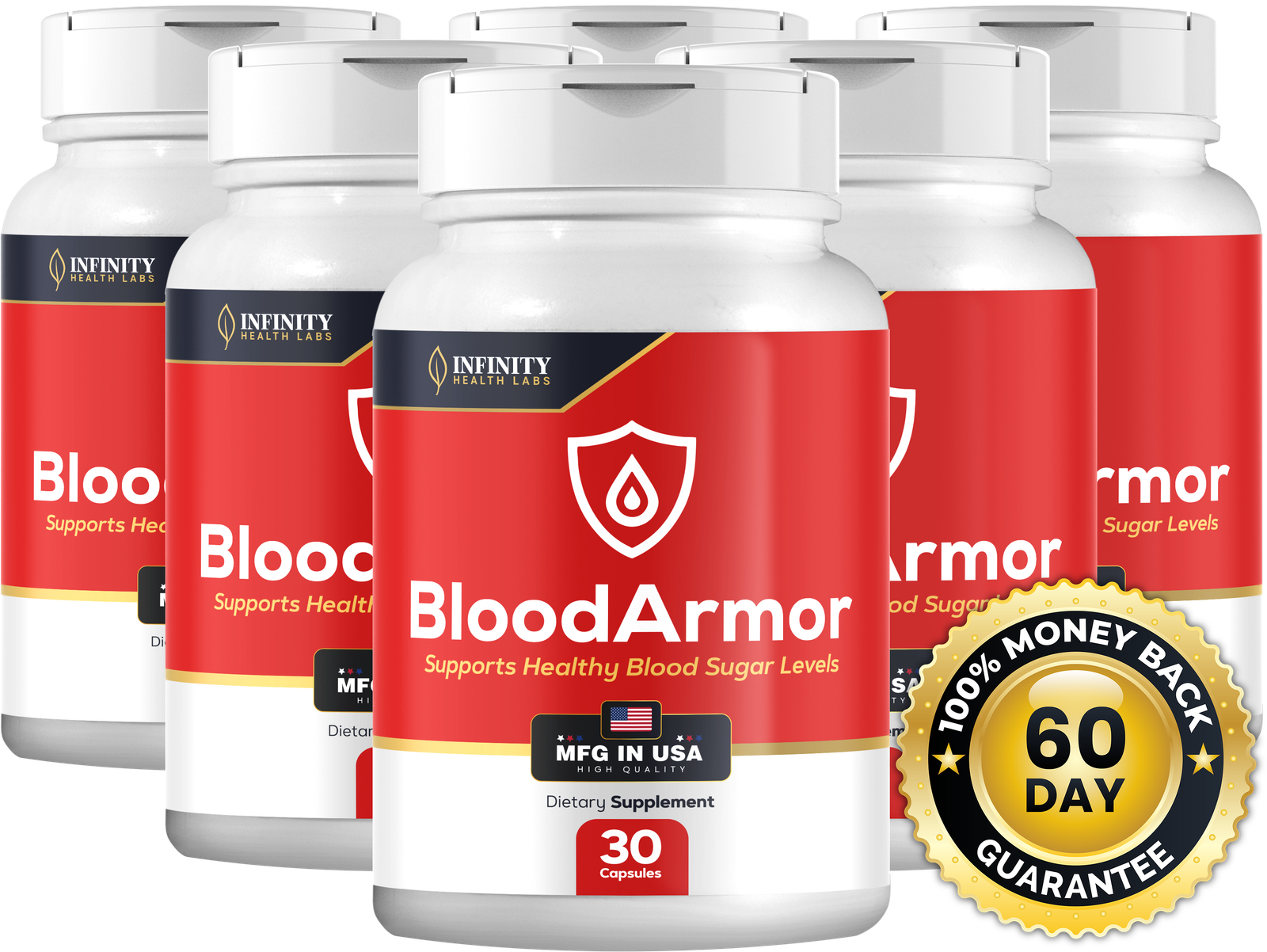
Safety and medication interaction checks
NIH ODS advises caution with high chromium supplement amounts for people with kidney or liver disease. Chromium may interact with glucose-lowering medicine and levothyroxine, with possible implications for glucose levels or medicine absorption. Supplements are not substitutes for regular monitoring or prescribed care. Consumers should take a full list of medicines and supplements to a pharmacist or clinician before making a change. Case reports of adverse effects do not prove an effect in every user, but they show why sweeping statements about complete safety are inappropriate. Dose and individual circumstances matter.
Blood Armor purchase options
Review the Current Blood Armor Offer
Explore the merchant’s advertised packages. Confirm current totals, availability, shipping and refund conditions at checkout.
Check Current Blood Armor Offer ↗Advertisement • Affiliate link • Package figures shown in the supplied artwork may change.
Chromium as a nutrient and supplement
Chromium appears in foods and supplemental preparations, including chromium picolinate and chromium chloride. The NIH Office of Dietary Supplements describes uncertainty about how chromium affects the body and does not treat deficiency concerns as proof of supplementation benefits. A nutrient’s presence in normal physiology is not by itself a clinical argument for taking higher doses. People who research chromium often want to know whether it improves glucose control, insulin sensitivity or body weight. Those are separate endpoints requiring human evidence. Current materials have not verified chromium as an ingredient in Blood Armor; a current label is essential before product-specific conclusions.
Why clinical reviews disagree
Systematic reviews of chromium and diabetes have reached inconsistent conclusions. Different meta-analyses include different interventions, chromium forms, doses, participant baselines and research methods. NIH ODS notes that some trials have shown no significant glucose or HbA1c improvement, while other pooled analyses suggest small changes. A useful reading of this literature states uncertainty rather than selecting only favorable findings. Particularly relevant questions include whether a statistically significant result is clinically important, whether the trial was adequately blinded, and whether subsequent studies in comparable populations reproduce the effect.
Chromium picolinate versus other forms
Several chromium compounds are used in dietary supplements. The substance and the stated elemental chromium amount must be distinguished from the weight of the compound itself. Labels may be difficult to compare when they show percentages of daily value but not provide context for a proposed health claim. Research using one chromium compound should not automatically be transferred to another without examining dose and absorption differences. Where a commercial label lists chromium only as part of a blend, the absence of a declared quantity can prevent a meaningful study-to-product comparison. Blood Armor’s exact formula must be verified before applying this analysis.
Insulin sensitivity and prevention claims
A change in a laboratory index related to insulin resistance is not the same as preventing diabetes. Trials may use fasting glucose, HbA1c, insulin measures or surrogate calculations, each with different interpretation. NIH ODS explains that evidence has not established chromium supplementation as a reliable preventive approach. Studies in individuals who already have type 2 diabetes also do not answer whether an otherwise healthy consumer should take chromium for prevention. Any headline about glucose support should state who was studied, how the endpoint was measured, and whether the estimated change was meaningful and reproducible.
Food sources versus concentrated products
Many foods contain small amounts of chromium within a varied diet. Eating a balanced selection of foods and taking a concentrated supplement are not identical interventions. A supplement may have a much greater labeled exposure than ordinary dietary intake. A decision should therefore start with a concrete nutritional or clinical rationale rather than assuming that more of any trace mineral is better. Weight-loss and muscle-building claims for chromium supplements have also been studied, with NIH ODS reporting little or no meaningful benefit in most relevant contexts. Distinct marketing goals should not be combined into a single broad outcome promise.
How to compare study designs
Assess whether investigators randomized participants, used an appropriate placebo, identified chromium form and actual daily dose, controlled concomitant diabetes treatments and prespecified endpoints. Report the size of changes and the confidence intervals where available; avoid evaluating research solely from statistical significance. Study duration is important for HbA1c and for detecting tolerability issues. If participants have severe insulin resistance or unusually poor glucose control, note that applicability to a wider market may be limited. Independent replication can increase confidence, while small trials with incomplete reporting warrant cautious interpretation.
A practical product-label checklist
Confirm that chromium is actually included and determine which form and dose are listed. Check other minerals or botanicals that might increase cumulative exposure. Compare the identified formula against relevant studies and recognized guidance, then examine interaction risks. Verify producer identity and the authenticity of any manufacturing claims separately from effectiveness. Finally, treat package pricing and guarantees as merchant terms, not clinical evidence. The supplied Blood Armor buying graphic cannot replace a Supplement Facts panel; no page should assign chromium-related outcomes or risks to Blood Armor without that verification.
Clinical references and source notes
NCCIH — Diabetes and Dietary Supplements: What You Need To Know
American Diabetes Association — Standards of Care in Diabetes—2026, Section 5
These sources support general evidence and regulatory context, not an independent claim of Blood Armor product effectiveness. This review is based on published literature and supplied product material; no personal testing has been performed.
Blood Armor purchase options
Explore Blood Armor Packages Before You Decide
Explore the merchant’s advertised packages. Confirm current totals, availability, shipping and refund conditions at checkout.
Check Current Blood Armor Offer ↗Advertisement • Affiliate link • Package figures shown in the supplied artwork may change.