Blood Sugar Supplement Clinical Evidence: What Human Studies Can Establish
What clinical studies reveal about blood-sugar supplements and why ingredient research cannot establish Blood Armor outcomes.
Affiliate disclosure: We may receive a commission from qualifying purchases via linked offers. This page uses desk research and supplied merchant materials; it does not claim personal product testing. Dietary supplements are not treatments for diabetes.
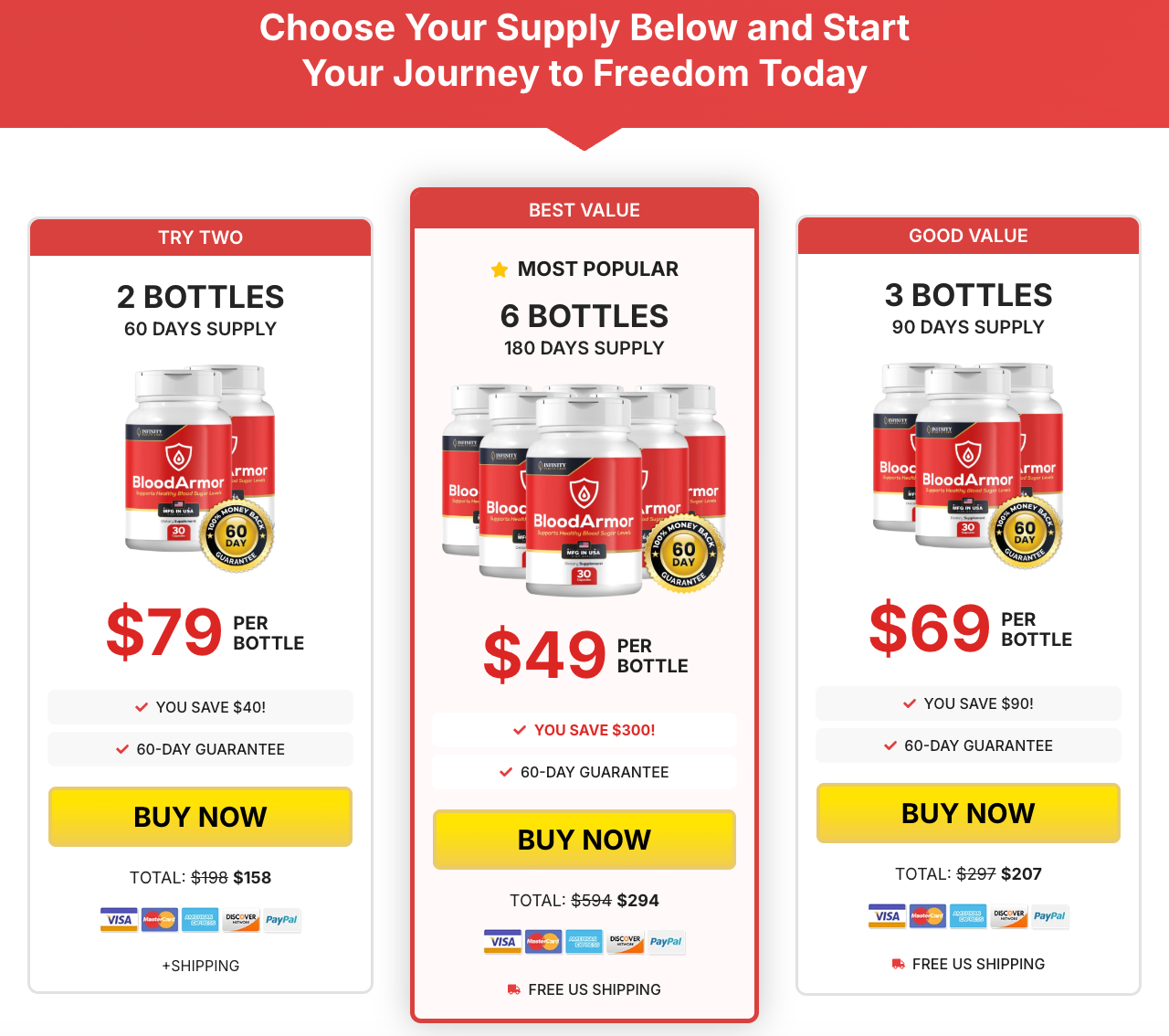
Blood Armor purchase options
Compare Blood Armor Purchase Options
Explore the merchant’s advertised packages. Confirm current totals, availability, shipping and refund conditions at checkout.
Check Current Blood Armor Offer ↗Advertisement • Affiliate link • Package figures shown in the supplied artwork may change.
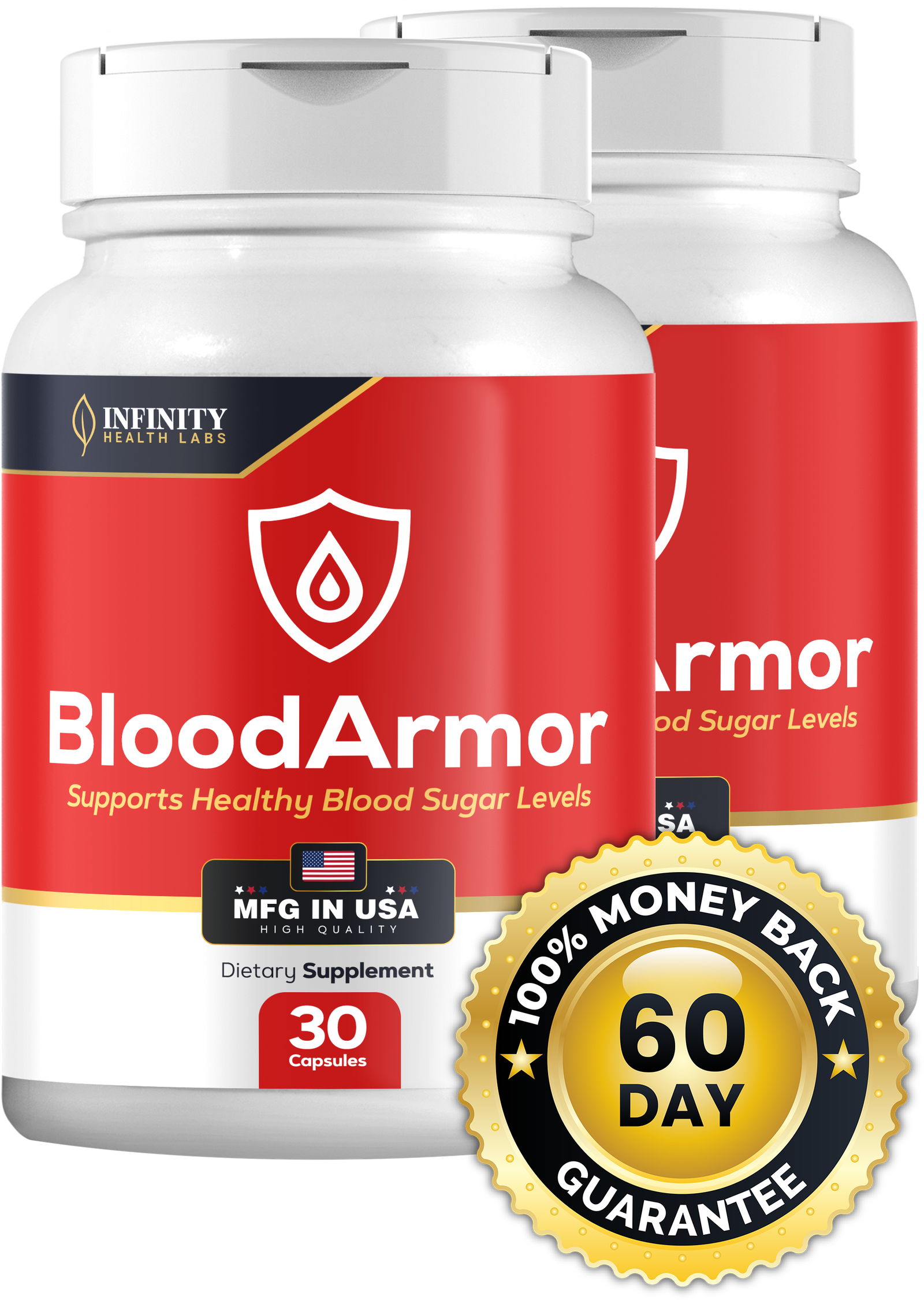
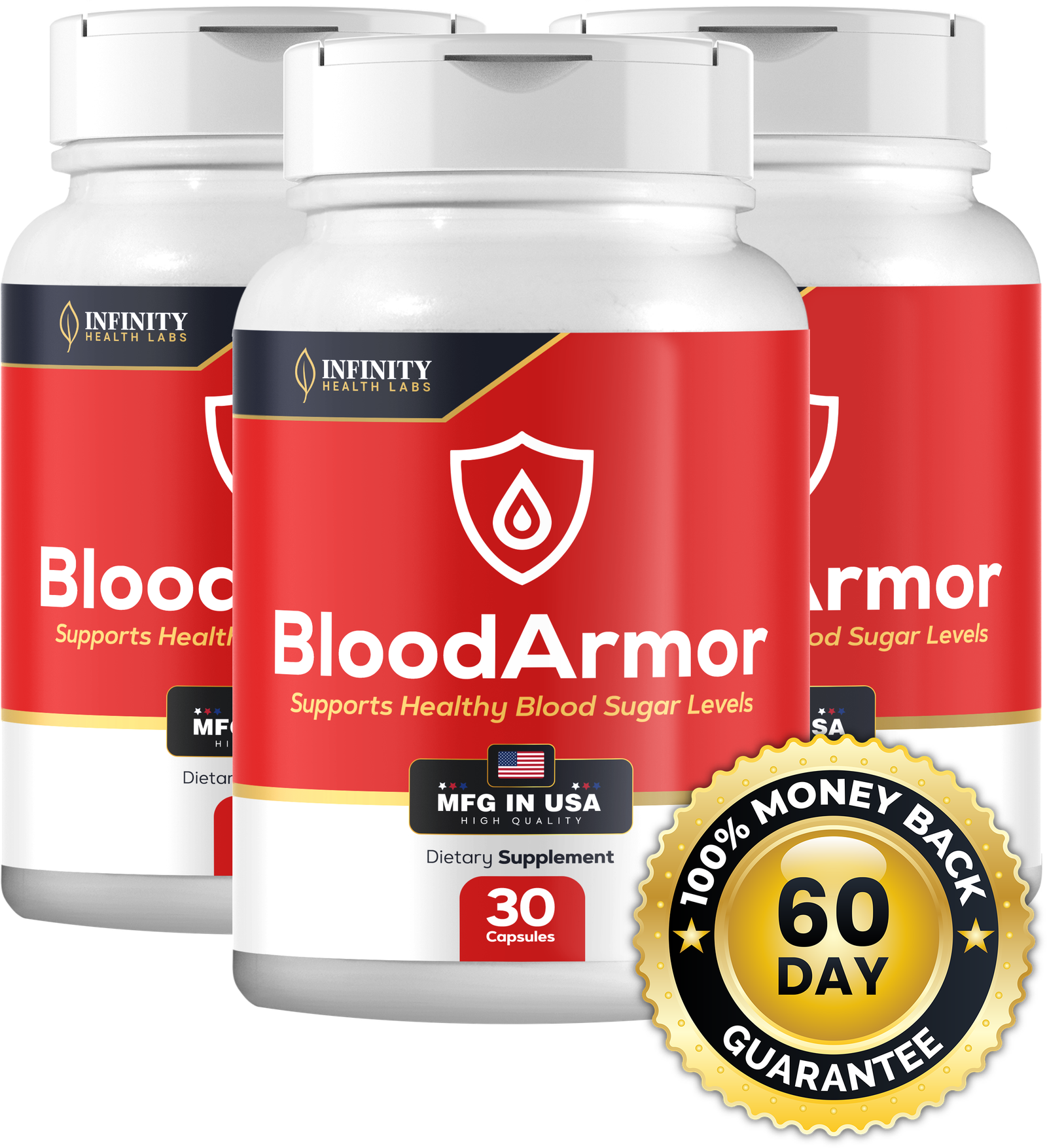
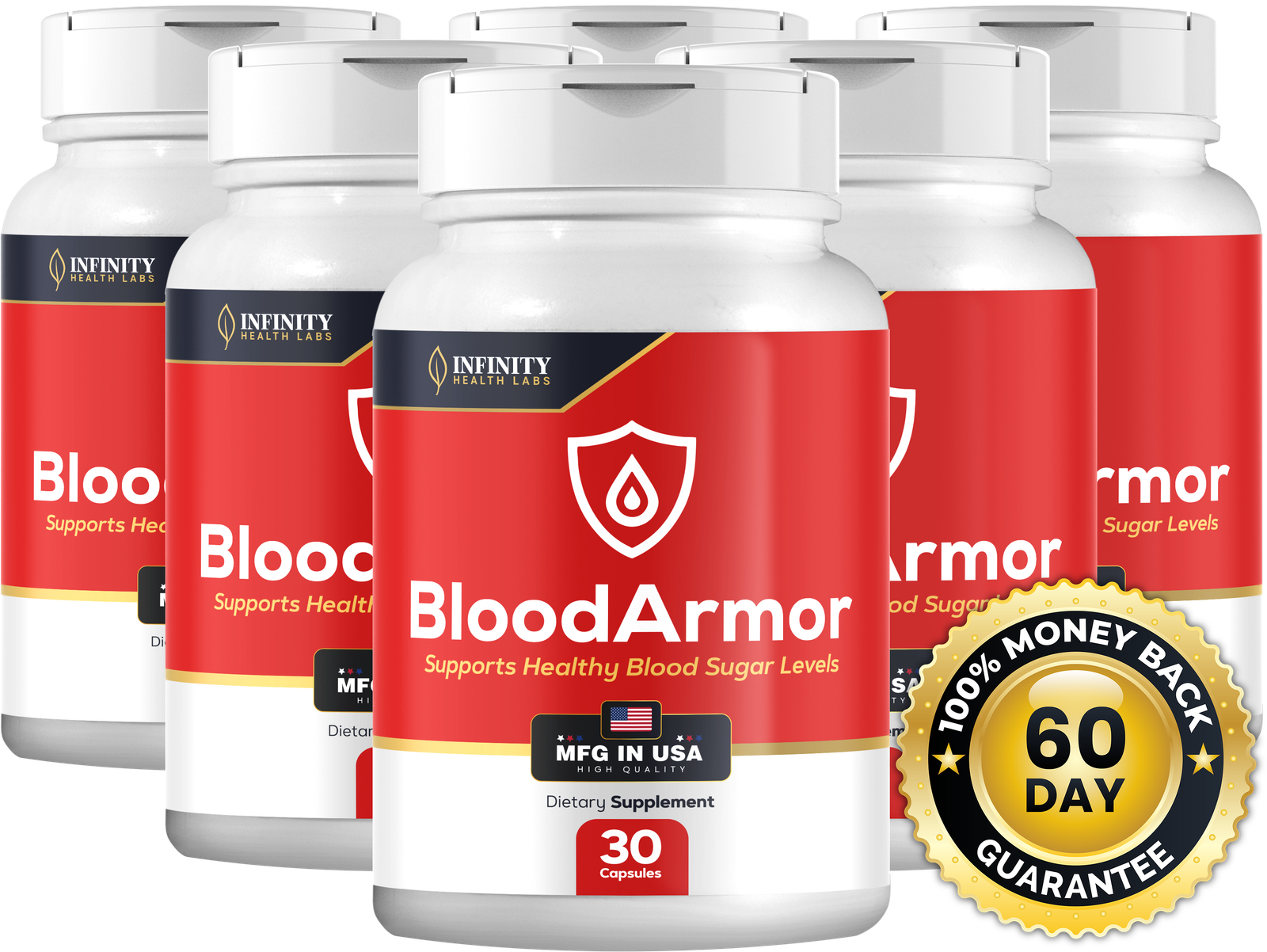
Cinnamon and alpha-lipoic acid: different questions
Cinnamon trials have often tested fasting glucose and sometimes lipid or insulin-related outcomes, but methods and preparations differ. Cassia and other cinnamon preparations are not identical and their safety profiles can differ. Alpha-lipoic acid has also been studied, including for painful diabetic neuropathy. Research into a nerve-pain endpoint cannot establish that the intervention regulates blood glucose. NCCIH notes inconsistent results for several of these lines of inquiry. A properly sourced page should identify the actual endpoints under study rather than compressing different outcomes into an unspecific claim of metabolic support.
Blood Armor purchase options
Review the Current Blood Armor Offer
Explore the merchant’s advertised packages. Confirm current totals, availability, shipping and refund conditions at checkout.
Check Current Blood Armor Offer ↗Advertisement • Affiliate link • Package figures shown in the supplied artwork may change.
What counts as clinical evidence?
A human clinical study evaluates an intervention in people, with defined participants, a specified formulation, measurements and follow-up. Random assignment and an appropriate comparator can help reduce bias. A mechanism studied in a cell culture, an animal experiment and an individual testimonial answer different questions and should not be described as clinical proof. For blood-sugar outcomes, a well-conducted trial should establish beforehand whether its endpoint is fasting glucose, HbA1c, post-meal measurements, adverse events or another outcome. Readers should also ask who participated, because findings in a group with diagnosed type 2 diabetes do not automatically transfer to generally healthy consumers. A significant statistical difference may not represent a meaningful clinical change. Trial registration, prespecified outcomes and transparent reporting further improve interpretability.
What the latest professional guidance says
The American Diabetes Association Standards of Care in Diabetes—2026 recommend against routinely supplementing micronutrients or herbs for glycemic benefits in people with diabetes. This does not mean researchers have stopped studying individual compounds; rather, it means current collective evidence is insufficient to recommend supplement use for glucose management. The guideline emphasizes food patterns, individual nutritional needs and conventional clinical management instead. A commercial page should not present preliminary ingredient findings as though they superseded professional consensus. Consumers who are investigating a supplement because of an abnormal glucose result have a stronger need for assessment of their actual clinical situation than for a promotional promise.
Why systematic reviews sometimes disagree
A systematic review pools or compares published studies, but its conclusion depends on the reliability of those studies. Many supplement investigations use short follow-up periods, varying ingredient preparations, inconsistent doses and relatively small groups. A meta-analysis may calculate an average effect even when studies measure outcomes differently. Some trials compare against placebo, while others involve added treatment alongside medicines; these answer different questions. Publication bias and selective outcome reporting may distort estimates. For an informed decision, the most useful summary identifies where findings are promising, where they are uncertain and whether the evidence directly matches the product under consideration.
Berberine and chromium: promising signals are not product proof
NCCIH summarizes evidence suggesting that berberine and chromium might have certain favorable effects on glucose-related measurements in some studies, while also documenting methodological weaknesses and safety considerations. Chromium trials use different compounds and doses, and berberine investigations vary in population, duration and concomitant care. Some analyses report changes in HbA1c or fasting glucose, but those averages cannot simply be applied to a different blend or to a person without the studied condition. These ingredients are discussed here as examples from the research literature, not as verified constituents of Blood Armor. Any ingredient-to-product comparison must wait for the current Supplement Facts panel and a reliable dose match.
How to judge finished-product research
A finished-product study is relevant only if it tests a formula that matches the commercial product in ingredients, strengths and intended use. Review the sponsor, protocol, comparison group, complete adverse-event reporting and measured endpoints. Independent replication, sufficient participant numbers and clinically relevant follow-up add confidence. The supplied Blood Armor marketing assets do not establish such a qualifying finished-product clinical trial. Accordingly, this page does not conclude that Blood Armor lowers HbA1c, treats diabetes or improves insulin sensitivity. Manufacturer materials can document how a product is marketed and labeled, but they cannot replace independently evaluated outcome evidence.
What to do with a promising study result
Start by reading the study population and dose before the headline claim. Check whether the intervention was a single ingredient, an extract or the entire formula. Determine whether benefit was compared with placebo, usual care or another active intervention. Look for harms, withdrawals and interactions as carefully as favorable numbers. Consider whether the observation is relevant to a personal wellness question or instead to a diagnosed condition requiring medical follow-up. This process offers a practical way to make sense of research without over-interpreting it or turning a study into a sales guarantee.
The practical bottom line
For blood-sugar supplements, the strongest decision is based on the exact label, the quality of human research, applicable clinical guidance and individual safety considerations. A product’s popularity or advertised package deal provides no clinical endpoint evidence. Those deciding whether to buy Blood Armor can investigate purchasing terms separately, while treating medical and metabolic outcomes as unproven unless product-matched research becomes available. Readers taking glucose-lowering medicines should raise supplement use with a qualified clinician before changing their routine.
Clinical references and source notes
NCCIH — Diabetes and Dietary Supplements: What You Need To Know
American Diabetes Association — Standards of Care in Diabetes—2026, Section 5
These sources support general evidence and regulatory context, not an independent claim of Blood Armor product effectiveness. This review is based on published literature and supplied product material; no personal testing has been performed.
Blood Armor purchase options
Explore Blood Armor Packages Before You Decide
Explore the merchant’s advertised packages. Confirm current totals, availability, shipping and refund conditions at checkout.
Check Current Blood Armor Offer ↗Advertisement • Affiliate link • Package figures shown in the supplied artwork may change.