Insulin Resistance and Supplements: What Research Can Actually Show
Explore insulin resistance, study endpoints, lifestyle evidence and the limits of supplement claims.
Affiliate disclosure: We may receive a commission from qualifying purchases via linked offers. This page uses desk research and supplied merchant materials; it does not claim personal product testing. Dietary supplements are not treatments for diabetes.
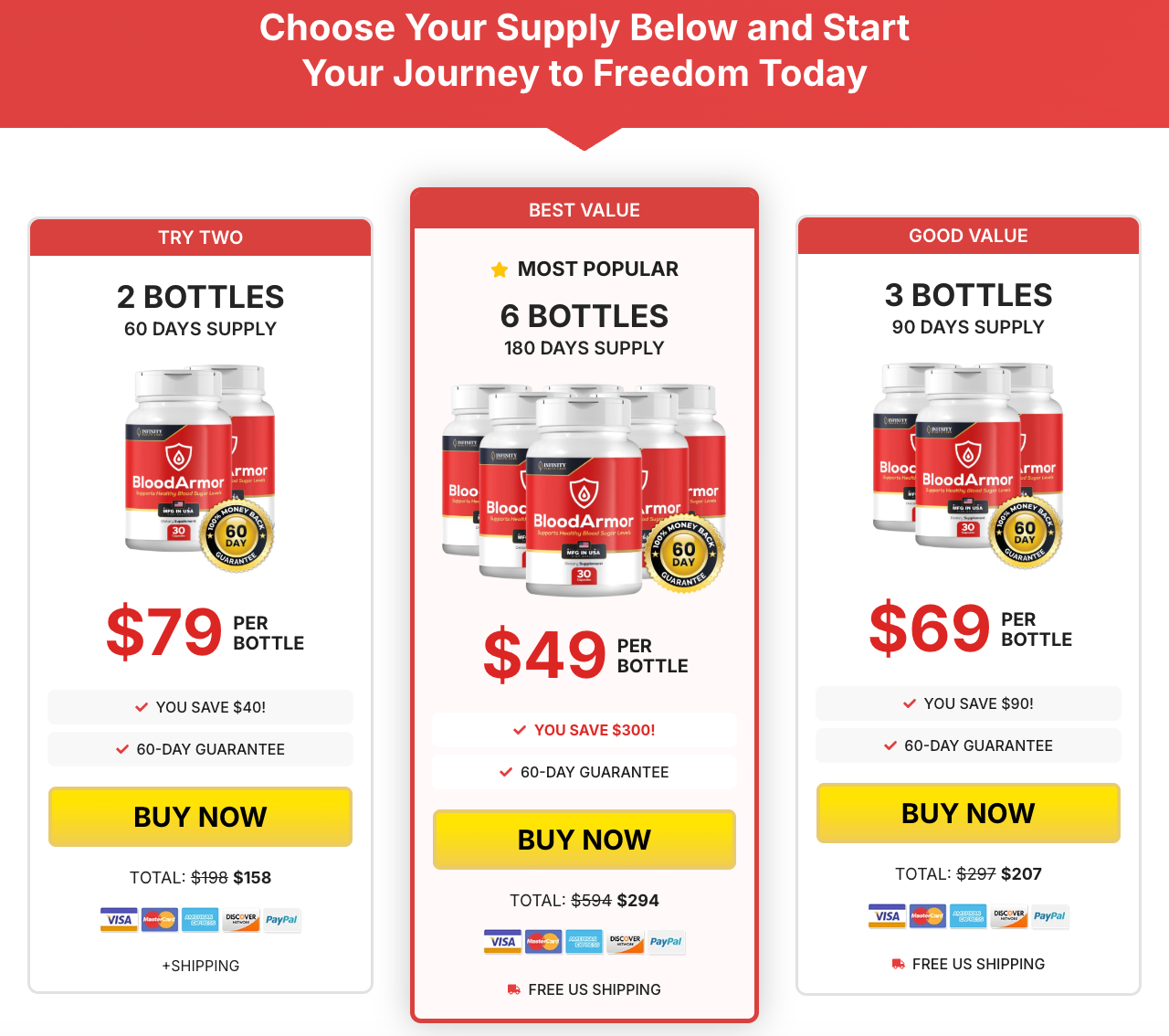
Blood Armor purchase options
Compare Blood Armor Purchase Options
Explore the merchant’s advertised packages. Confirm current totals, availability, shipping and refund conditions at checkout.
Check Current Blood Armor Offer ↗Advertisement • Affiliate link • Package figures shown in the supplied artwork may change.
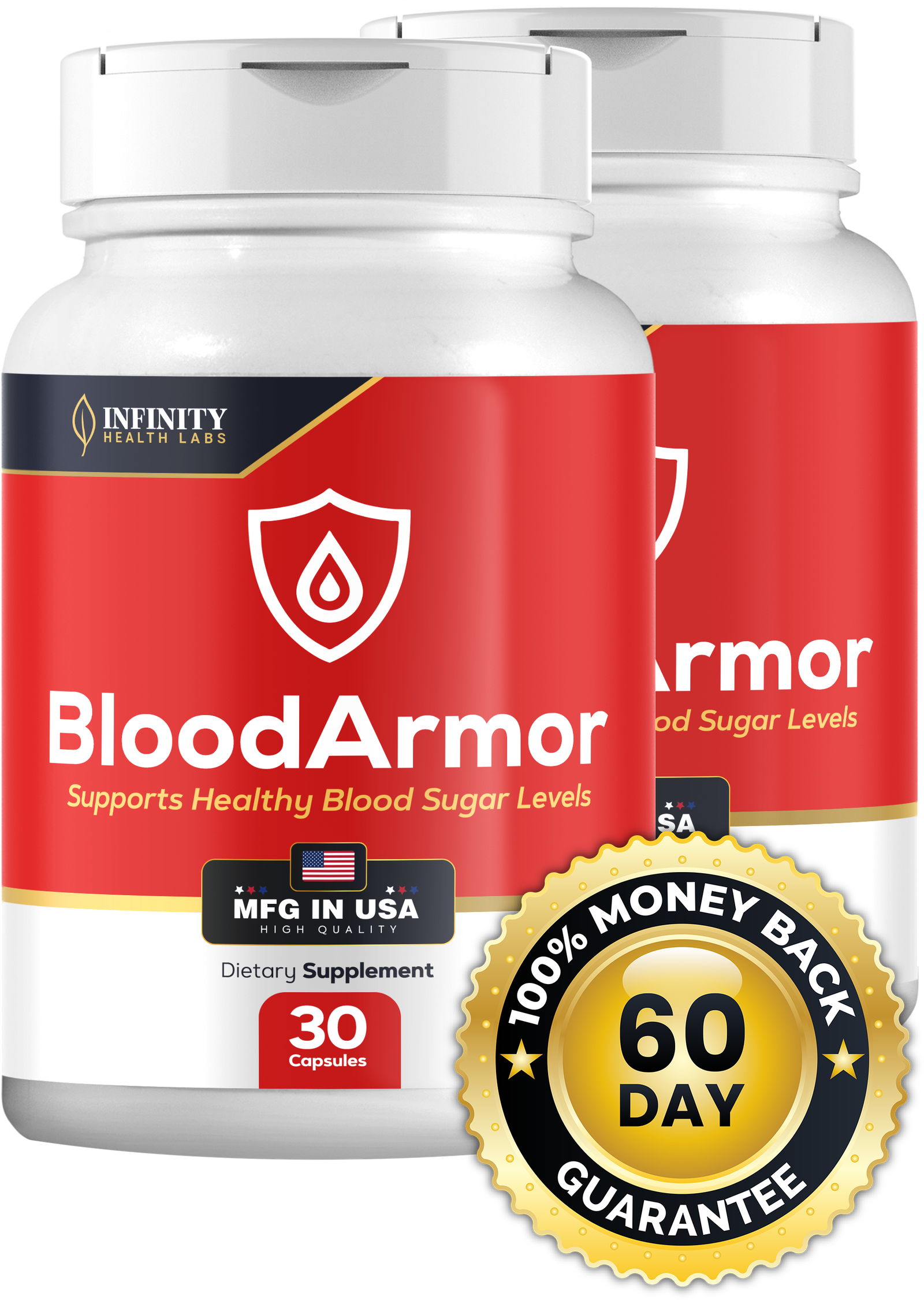
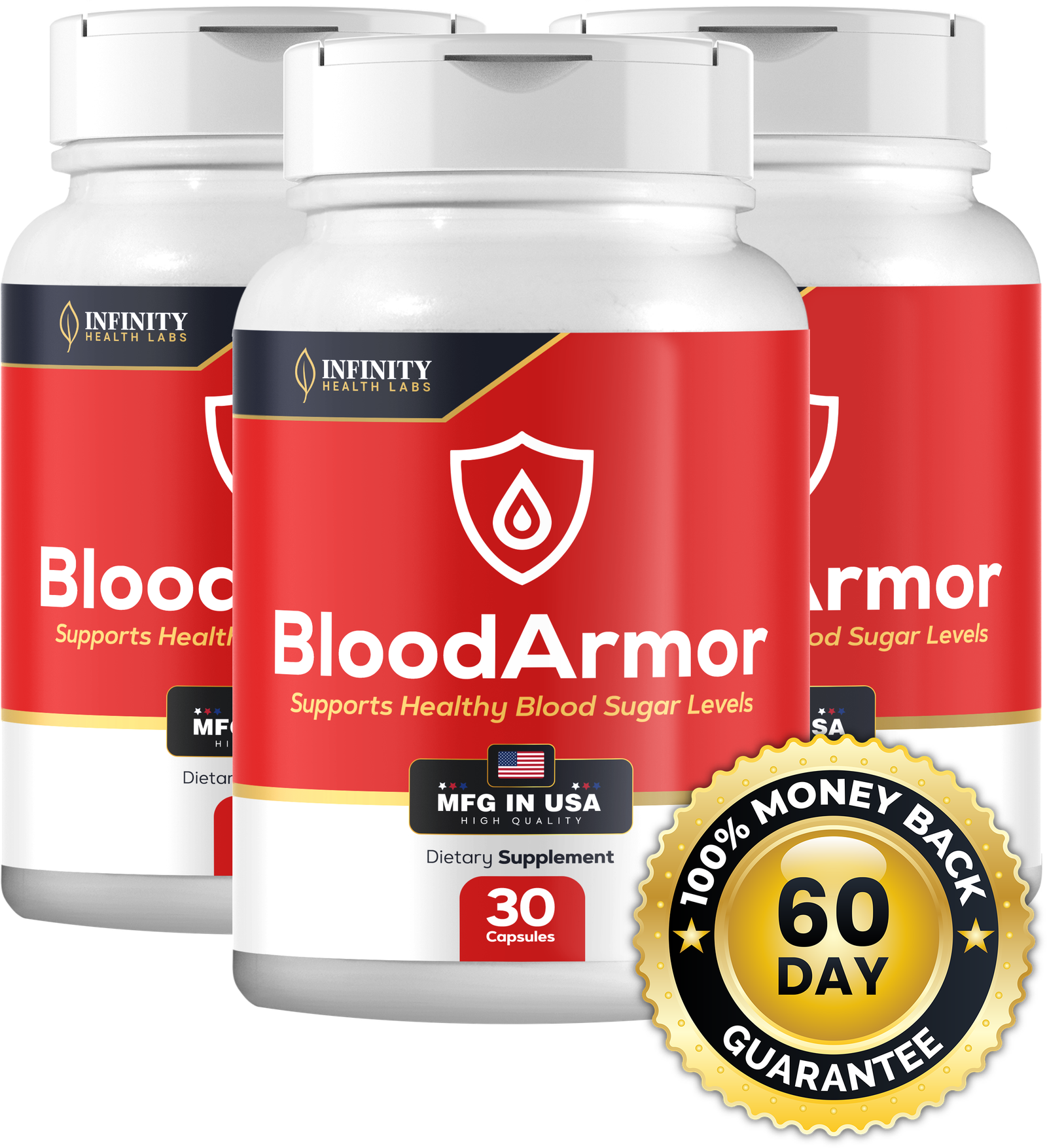
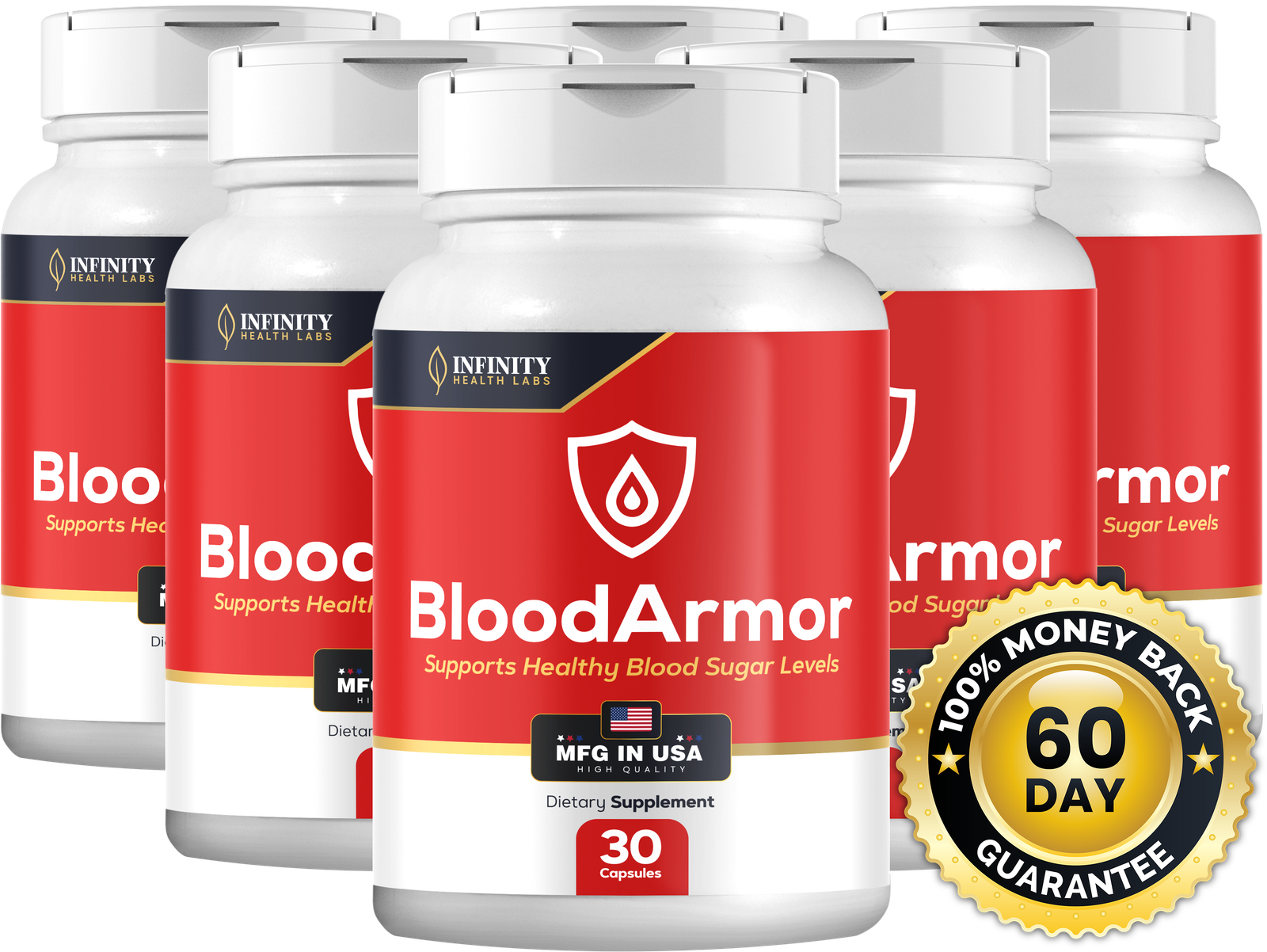
Why the exact intervention matters
A trial using a characterized extract at a specified daily amount is not a trial of every capsule or multi-ingredient blend carrying similar wellness language. Absorption, preparation, frequency and dose can vary. Sometimes clinical studies combine an intervention with ongoing prescription care, which means the trial is not evidence that a supplement can replace treatment. A useful formula-to-evidence assessment requires a current label, manufacturer identity, declared quantities and a comparison against published trial interventions. Until those facts are documented, it would be misleading to use ingredient results as a promise about a Blood Armor bottle.
Blood Armor purchase options
Review the Current Blood Armor Offer
Explore the merchant’s advertised packages. Confirm current totals, availability, shipping and refund conditions at checkout.
Check Current Blood Armor Offer ↗Advertisement • Affiliate link • Package figures shown in the supplied artwork may change.
What insulin resistance means
Insulin resistance refers to a reduced response to insulin in relevant tissues, including muscle, liver and fat. It is not a symptom that can be confidently identified from fatigue, cravings or an advertisement. A clinical evaluation may consider health history, glucose measures and other relevant risk factors. Different research papers use different measurements, so a claim that an ingredient “supports insulin sensitivity” needs a specific endpoint, study population and comparison. Blood Armor advertising does not establish that the finished product reverses or treats insulin resistance. People concerned about abnormal readings should obtain medical evaluation rather than using a supplement as a diagnostic test.
Insulin sensitivity and blood glucose are related but distinct
Insulin sensitivity is a physiological concept; fasting glucose and HbA1c are separate measurements. An intervention might alter a surrogate estimate of insulin resistance without producing a clinically meaningful change in HbA1c, and the reverse is not guaranteed either. Studies sometimes use fasting insulin, glucose-based calculations or experimental methods, which should not be treated as interchangeable. A reader evaluating an evidence summary should check the exact definition and units of every endpoint. The MPS HbA1c guide addresses long-term glucose exposure, while this page concentrates on how to interpret evidence specifically claiming a change in insulin responsiveness.
How studies estimate insulin resistance
Researchers can measure insulin sensitivity with specialized methods or estimate it from laboratory values. Simplified calculations can be useful in studies but carry assumptions and do not replace a clinician’s interpretation of the person as a whole. Baseline weight, existing conditions, medications, study duration and changes in physical activity can influence reported results. When a supplement trial reports an improved index, check whether the trial was randomized, whether the comparison group was appropriate and whether other care changed. A single surrogate measure is a starting point for interpretation, not sufficient proof that a supplement prevents diabetes or lowers long-term health risks.
What supplement research has suggested
NCCIH describes limited evidence suggesting that some substances, including berberine, chromium and cinnamon, might influence selected glucose or insulin-resistance outcomes in some studied populations. Its fact sheet also identifies study-quality problems and differences in ingredients, doses and participant characteristics. A 2021 berberine review summarized in the NCCIH document includes investigations in people with type 2 diabetes, not evidence of benefit for every generally healthy purchaser. Some chromium and cinnamon findings conflict across reviews. This page does not imply that these ingredients occur in Blood Armor, because its current full Supplement Facts panel has not been verified.
Lifestyle interventions and credible outcomes
Sustainable physical activity, nutrition changes and weight management where appropriate have established roles in metabolic health management. The practical application is individualized: people differ in activity capability, food access, medicine regimens and clinical needs. An improvement observed after several simultaneous changes cannot be confidently assigned to a newly purchased supplement. When researching insulin resistance, distinguish lifestyle studies from supplementation trials and notice whether a study measured real health outcomes or only a laboratory proxy. Those who use insulin or medications with hypoglycemia risk should plan activity and dietary adjustments with their healthcare team.
How to assess a promising headline
Start with the source rather than the sales claim. Identify how insulin resistance was defined, the number and characteristics of participants, the intervention and comparison, study duration, change magnitude and adverse effects. Next ask whether researchers confirmed the finding with clinically meaningful outcomes. Review whether similar trials reproduced it and whether investigators registered and reported the originally planned endpoints. Promotional language often compresses all this detail into “supports healthy glucose,” but that phrase alone cannot tell a consumer what was actually demonstrated. Such a checklist helps researchers and buyers without assuming either an endorsement or a negative result.
Decision guide for Blood Armor readers
Readers interested in Blood Armor should separate three decisions: whether they need medical evaluation, whether a supplement has appropriate documented ingredients, and whether the advertised buying terms are satisfactory. An affiliate offer may be commercially legitimate even without a finished-product trial, but legitimacy is not clinical effectiveness. Conversely, an ingredient study cannot verify package quality or safety for a particular person. Review the related MPS clinical-evidence, HbA1c and label-quality pages, then seek individualized clinical advice where health concerns exist. Nothing on this page is a substitute for diagnosis or ongoing prescribed care.
Clinical references and source notes
NCCIH — Diabetes and Dietary Supplements: What You Need To Know
American Diabetes Association — Standards of Care in Diabetes—2026, Section 5
These sources support general evidence and regulatory context, not an independent claim of Blood Armor product effectiveness. This review is based on published literature and supplied product material; no personal testing has been performed.
Blood Armor purchase options
Explore Blood Armor Packages Before You Decide
Explore the merchant’s advertised packages. Confirm current totals, availability, shipping and refund conditions at checkout.
Check Current Blood Armor Offer ↗Advertisement • Affiliate link • Package figures shown in the supplied artwork may change.