Blood Sugar Support Ingredients: Benefits, Studies and Limitations
Compare published research for berberine, chromium, cinnamon, magnesium and other commonly discussed supplement ingredients; no Blood Armor formula assumptions.
Affiliate disclosure: We may receive a commission from qualifying purchases via linked offers. This page uses desk research and supplied merchant materials; it does not claim personal product testing. Dietary supplements are not treatments for diabetes.
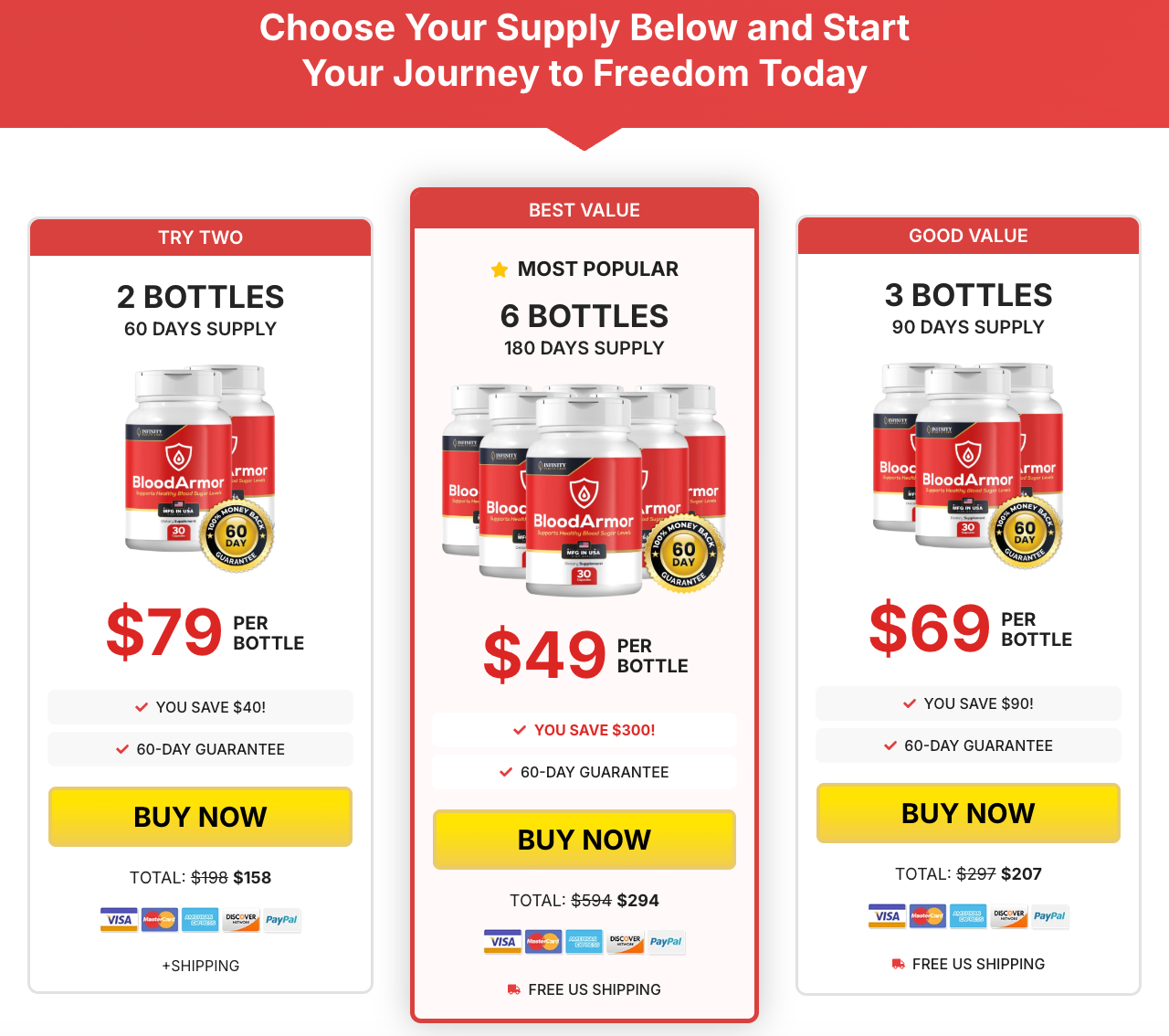
Blood Armor purchase options
Compare Blood Armor Purchase Options
Explore the merchant’s advertised packages. Confirm current totals, availability, shipping and refund conditions at checkout.
Check Current Blood Armor Offer ↗Advertisement • Affiliate link • Package figures shown in the supplied artwork may change.
Alpha-lipoic acid: keep glucose and neuropathy outcomes separate
Alpha-lipoic acid has been studied for different questions, including symptoms related to diabetic peripheral neuropathy and measures of glucose regulation. These are not interchangeable endpoints. The NCCIH overview describes possible relevance to nerve-related pain but does not establish dependable blood-glucose management benefits. Study designs, formulation routes and duration differ, so references to a broad metabolic advantage can misrepresent what researchers actually observed. Marketing materials may group all diabetic complications together under a single headline. A responsible review instead identifies the precise outcome under investigation. Any potential adverse effects or interactions also need attention before considering personal use, particularly when someone already takes several medications.
Blood Armor purchase options
Review the Current Blood Armor Offer
Explore the merchant’s advertised packages. Confirm current totals, availability, shipping and refund conditions at checkout.
Check Current Blood Armor Offer ↗Advertisement • Affiliate link • Package figures shown in the supplied artwork may change.
Which ingredients are frequently discussed for glucose support?
Searches for glucose support commonly lead to berberine, chromium, cinnamon, magnesium, alpha-lipoic acid, bitter melon, fenugreek and gymnema. These ingredients differ in chemical identity, how they are prepared, the clinical outcomes studied and the quality of available trials. Their appearance in the literature does not establish that every ingredient is effective, that they can replace medical treatment, or that they are contained in Blood Armor. The current Blood Armor Supplement Facts panel is not independently confirmed here. Consumers should first separate research on general candidate ingredients from evidence directly applicable to a specific branded product. A practical evidence table should compare participant characteristics, ingredient preparation, quantity, study duration, outcome measured and adverse events rather than just listing claimed benefits.
Berberine: research signals and unresolved issues
NCCIH summarizes clinical reviews indicating that berberine might influence glucose and other metabolic markers in selected groups of people with type 2 diabetes. The underlying studies differ in treatment length, the medications participants were already receiving, research quality and the size of observed changes. These differences limit the certainty of conclusions. Berberine is not a general-purpose substitute for prescribed diabetes management. Adverse events can include nausea, constipation, diarrhea and bloating, and interactions with medicines are possible. Use in pregnancy and while breastfeeding is discouraged. For a product-label comparison, the exact berberine compound, measured amount and serving instructions would be required. None of those facts should be attributed to Blood Armor from unrelated scientific papers.
Chromium: nutrient function versus supplemental outcomes
Chromium has a recognized role in normal human nutrition. That does not mean everyone benefits from ingesting more of it. Clinical reviews have tested chromium formulations against fasting glucose, HbA1c and other markers, with some reporting modest signals and considerable limitations. Baseline chromium status, the chemical form and supplemental quantity all affect interpretation. NCCIH also summarizes reports of adverse events, including concerns involving kidney and liver health after large amounts. A transparent ingredient review should therefore distinguish correction of inadequate intake from a claim that routine supplementation improves a clinical endpoint. If a Blood Armor label eventually identifies chromium, its exact listed form and elemental quantity should be evaluated against relevant studies and individual medical circumstances.
Cinnamon: preparation and population determine relevance
Cinnamon is familiar as a culinary ingredient, but supplement trials use varied preparations. Cinnamon species, extracts, amounts and treatment schedules cannot automatically be treated as identical interventions. NCCIH describes some reviews reporting changes in fasting glucose, while also emphasizing inconsistent study characteristics and uncertainty about overall effectiveness. Cassia cinnamon may contain coumarin; substantial exposure can be a concern for people with liver disease. A branded product using a cinnamon extract would require botanical identification and dose information before study results can be applied. Even then, one ingredient’s signal would not prove an overall multi-ingredient formula changes HbA1c or glucose control. The appropriate reader takeaway is evidence appraisal rather than a promised result.
Magnesium and nutritional adequacy
Magnesium contributes to normal physiological processes, including energy metabolism. Inadequate intake and deficiency can have health consequences, but that does not prove that extra magnesium benefits every individual. Clinical evidence investigating supplemental magnesium for glycemic measures varies in study populations, baseline nutrient status, duration and preparation. For consumers evaluating a label, the important distinction is the actual amount of elemental magnesium rather than solely the weight of a magnesium compound. Reduced kidney function can alter the safety of excess supplemental magnesium. It is more useful to assess diet, medical history and reason for supplementation than to assume a product should be chosen because magnesium is described as supporting glucose metabolism.
Bitter melon, fenugreek and gymnema: evidence gaps
Traditional use and laboratory mechanisms have stimulated research into bitter melon, fenugreek, gymnema and other botanicals. Human evidence is generally limited by relatively small samples, differing preparations and inconsistent outcome reporting. NCCIH cautions that research on a number of herbal options has not demonstrated effectiveness for diabetes control. Compound identities and standardization matter, as do concurrent medicines and potential adverse effects. If a specific extract is proposed as useful, consumers should look for human studies that identify that preparation and clinically meaningful outcomes. Traditional popularity, a plausible mechanism or the existence of a patent is not sufficient proof. This research page will be updated only after actual Blood Armor ingredients are documented, rather than presenting generic herbs as confirmed formula constituents.
A formula-to-evidence checklist for purchasers
Compare each ingredient in a current Supplement Facts panel with the exact studied intervention: first check identity, species and standardized extract; next check amount per serving and recommended frequency; then check whether the trial population resembles the intended consumer; finally examine relevant results, follow-up duration and adverse events. Record missing quantities and proprietary blends as unknown rather than guessing. Quality controls can support manufacturing consistency but do not themselves demonstrate clinical benefit. For the Blood Armor offer, formula verification remains a gating task. Readers can review advertised purchase configurations, but should avoid inferring safety or efficacy from a large bundle, guarantee, money-back badge or attractive packaging. Independent clinicians and pharmacists can help evaluate possible supplement-medication interactions.
What this means for evidence-led blood sugar wellness
The strongest general health guidance continues to emphasize individualized medical management and established lifestyle measures when glucose abnormalities are present. Some ingredient research remains active, but high-quality and reproducible evidence is not available for every marketed claim. Products should be evaluated against current guidance rather than against the most favorable finding from a single small study. This guide does not diagnose illness or advise stopping medicines. Its value is in clarifying what the research does and does not establish, showing the exact questions to ask of a product formula, and linking to the dedicated MPS clinical-evidence and safety pages for deeper evaluation.
Clinical references and source notes
NCCIH — Diabetes and Dietary Supplements: What You Need To Know
American Diabetes Association — Standards of Care in Diabetes—2026, Section 5
These sources support general evidence and regulatory context, not an independent claim of Blood Armor product effectiveness. This review is based on published literature and supplied product material; no personal testing has been performed.
Blood Armor purchase options
Explore Blood Armor Packages Before You Decide
Explore the merchant’s advertised packages. Confirm current totals, availability, shipping and refund conditions at checkout.
Check Current Blood Armor Offer ↗Advertisement • Affiliate link • Package figures shown in the supplied artwork may change.