Fenugreek and Blood Sugar: Human Evidence, Benefits and Risks
Review fenugreek clinical studies, glucose markers, digestive side effects and medication interactions.
Affiliate disclosure: We may receive a commission from qualifying purchases via linked offers. This page uses desk research and supplied merchant materials; it does not claim personal product testing. Dietary supplements are not treatments for diabetes.

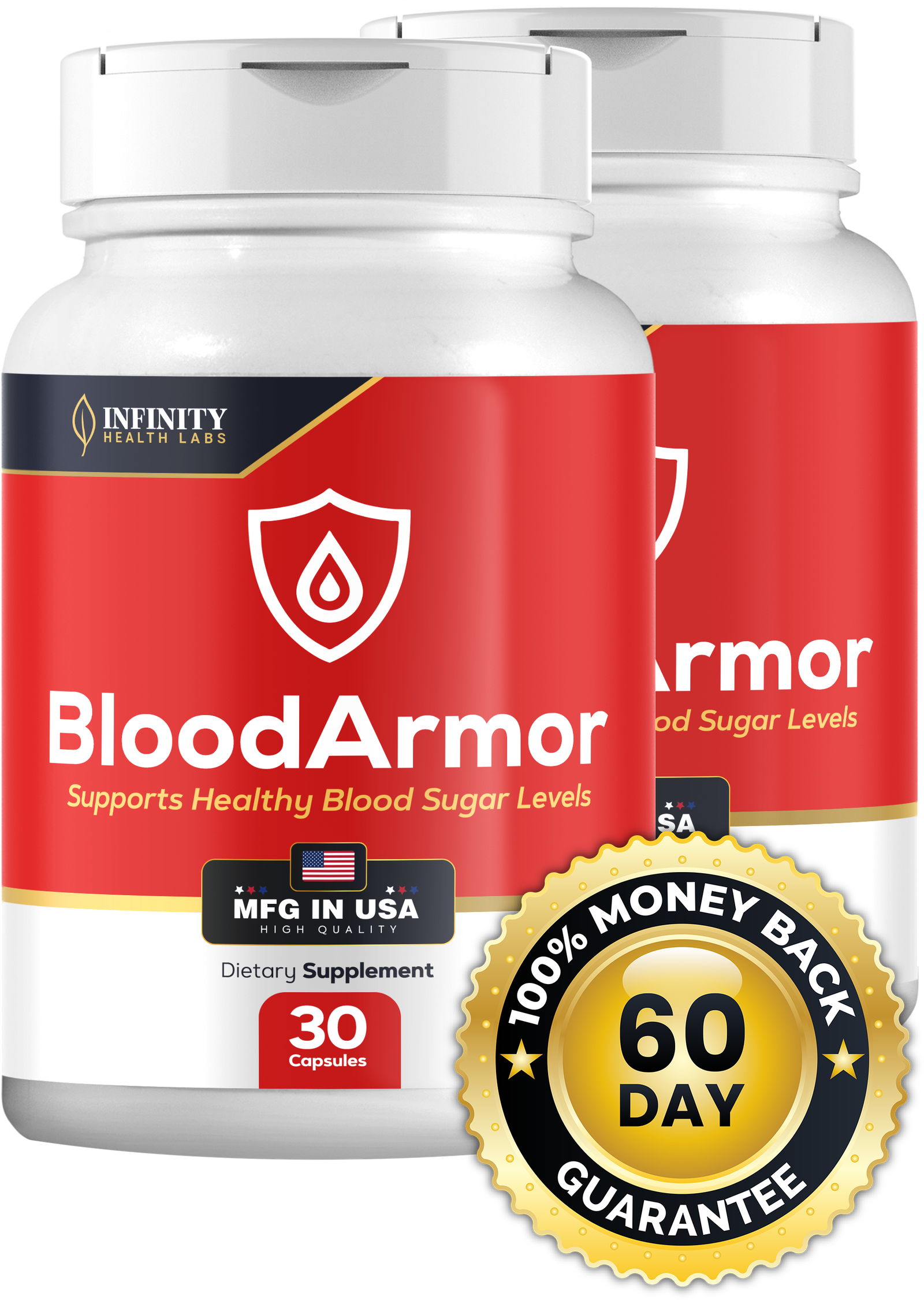
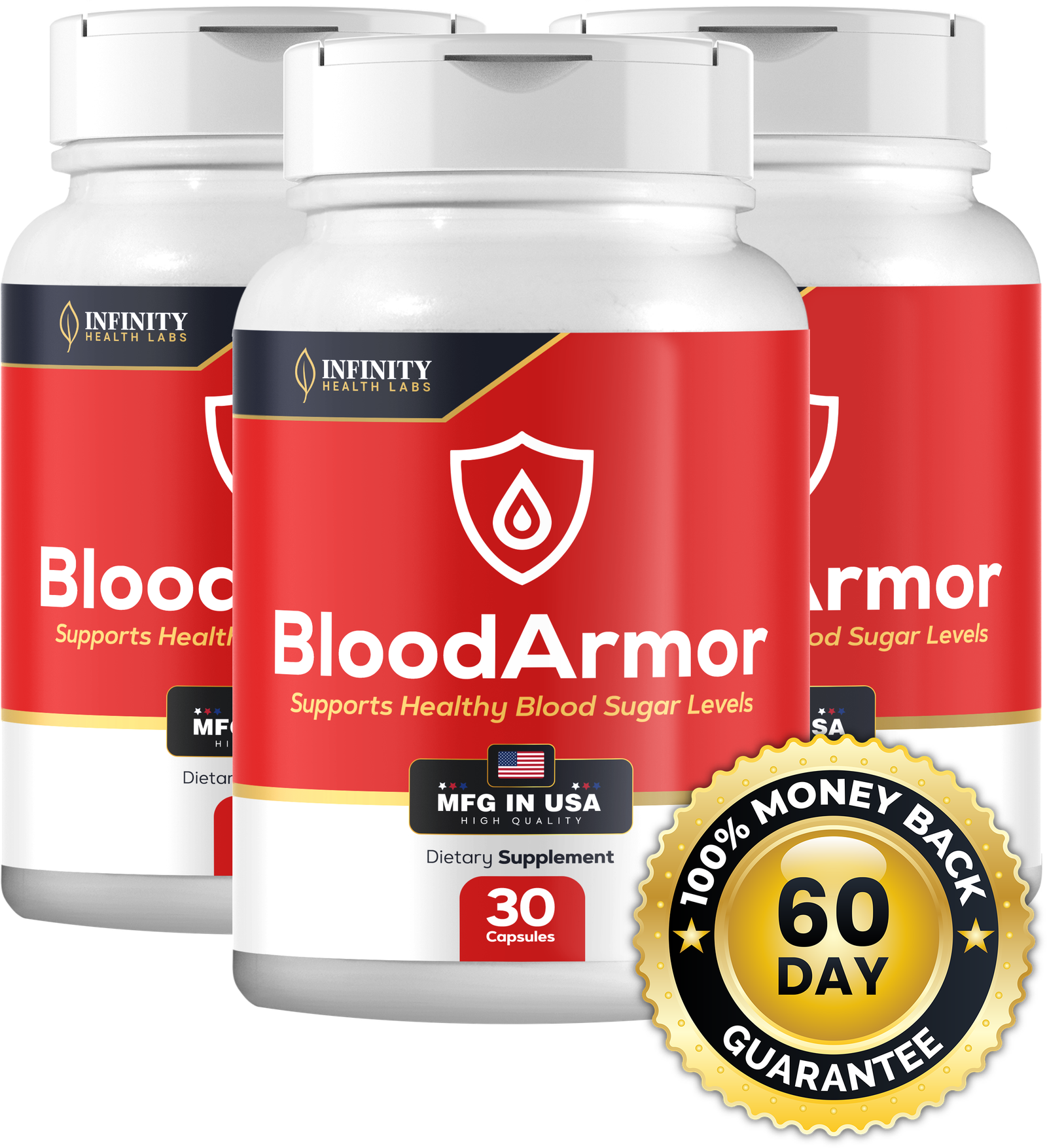
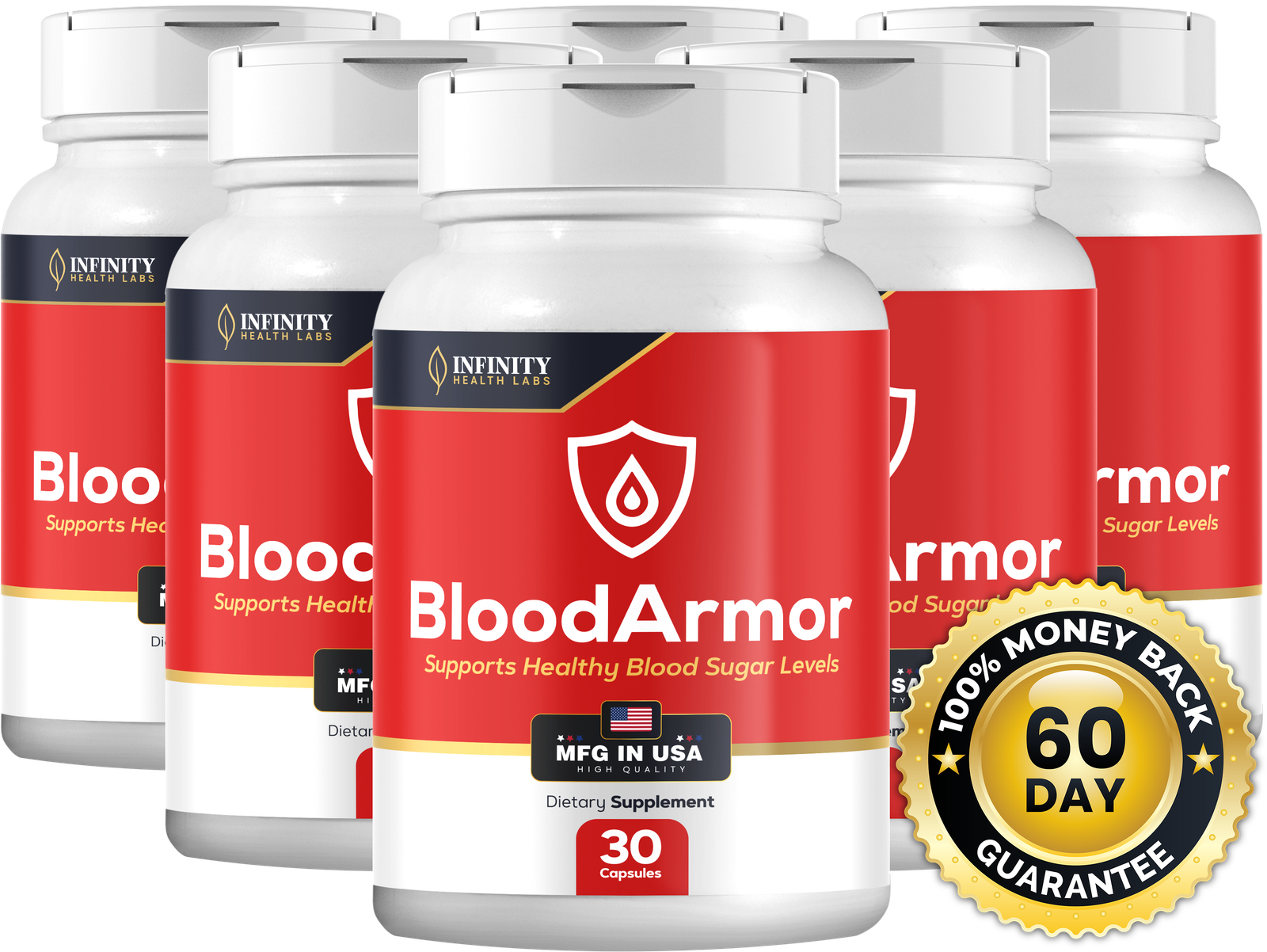
Blood Armor purchase options
Compare Blood Armor Purchase Options
Explore the merchant’s advertised packages. Confirm current totals, availability, shipping and refund conditions at checkout.
Check Current Blood Armor Offer ↗Advertisement • Affiliate link • Package figures shown in the supplied artwork may change.
Digestive effects and allergic reactions
According to NCCIH, possible fenugreek adverse effects include diarrhea, nausea and other digestive symptoms. Allergic reactions, including serious reactions, have also been reported. Food-scale consumption does not establish that large supplemental quantities are safe. A reader comparing botanical products needs to understand potential adverse effects before weighing purchase value or advertising claims. Some promotional copy emphasizes that a formula is natural, but natural ingredients may still be unsuitable for particular people. Product-specific tolerability is uncertain if the complete product label and surveillance information are unavailable. Source: https://www.nccih.nih.gov/health/fenugreek .
Blood Armor purchase options
Review the Current Blood Armor Offer
Explore the merchant’s advertised packages. Confirm current totals, availability, shipping and refund conditions at checkout.
Check Current Blood Armor Offer ↗Advertisement • Affiliate link • Package figures shown in the supplied artwork may change.
Why fenugreek appears in blood sugar searches
Fenugreek, Trigonella foenum-graecum, is a culinary seed and traditional botanical preparation also sold as a supplement. Clinical studies have explored whether particular preparations change glucose measurements in people with type 2 diabetes or prediabetes. Food use and concentrated supplement exposure are not identical, and traditional familiarity does not prove efficacy. NCCIH reports there is not enough high-quality evidence to determine whether fenugreek is useful for diabetes. An evidence-first page must distinguish this overall assessment from the existence of individual positive trials. Blood Armor’s complete formula has not been verified, so this discussion does not suggest that the product contains fenugreek.
What the randomized-trial literature suggests
A 2023 meta-analysis on fenugreek in type 2 diabetes and prediabetes included ten studies and 706 participants, reporting pooled favorable findings for several glucose and lipid measurements but not HOMA-IR. The result depends on the trial samples, preparations and analytic methods. Pooled evidence is not necessarily high certainty when underlying studies are small or heterogeneous. It would also be incorrect to tell an individual reader that the reported average change is a guaranteed personal outcome. Source: https://pubmed.ncbi.nlm.nih.gov/37762302/ . The paper describes fenugreek interventions, not finished Blood Armor trials, and product-level benefit remains unestablished.
Why different reviews find different results
Another 2023 systematic review covering fourteen trials and 894 participants reported a statistically significant pooled HbA1c change while its estimates for fasting and postprandial glucose were not statistically significant. Its authors explicitly noted study heterogeneity and quality concerns and called for stronger controlled trials. These findings illustrate why claims must name the specific endpoint rather than asserting comprehensive glucose improvement. Review methods, inclusion criteria, preparation type, participants and background therapy can produce different pooled results. Source: https://pubmed.ncbi.nlm.nih.gov/36837450/ . Neither analysis overcomes the need to verify the actual commercial formula and its amount of fenugreek.
Study populations, doses and duration
Research involving people with diagnosed type 2 diabetes answers a different question from whether a healthy consumer benefits from an everyday wellness supplement. Trials may have incorporated diets, prescribed medicines or additional nutritional interventions, limiting attribution. Preparations can range from seed powder to extracts with differing quantities and processing. A careful comparison records the actual dose, daily frequency, duration, study population, comparator and measured endpoint. HbA1c and single fasting readings should not be treated as interchangeable. It is inappropriate to infer that a formula with undisclosed concentrations reproduces the exposure achieved in research studies.
Low blood sugar, pregnancy and medication considerations
NCCIH warns that large fenugreek doses may produce a harmful drop in blood sugar and recommends discussing herbal products with a healthcare provider when taking medication. It also advises against amounts greater than those normally present in foods during pregnancy because of safety concerns. Little is known about the safety of larger-than-food quantities while breastfeeding. For people using diabetes medicines, adding a botanical marketed for glucose effects without professional advice can complicate monitoring and care. These points relate to fenugreek generally and are not a verified Blood Armor warning unless its presence and dose are established.
How fenugreek differs from other ingredients
Berberine, chromium, cinnamon, gymnema and bitter melon appear in the same search ecosystem, but comparing isolated trial averages across ingredients is not a reliable ranking method. Populations, formulas, study lengths and outcome definitions differ. A responsible product comparison should normalize disclosed dose and form first, then evaluate human evidence and uncertainty for each candidate. It should not declare a clinical winner on the basis of popularity, anecdotes or a vendor comparison chart. The 2026 ADA guidance advises against routine herbal and micronutrient supplementation for glycemic benefit in diabetes care, which provides important context for consumer decisions.
Consumer checklist for fenugreek-containing formulas
Verify the label identifies fenugreek, the listed form and the per-serving quantity. Compare the form and dose against cited human studies and investigate whether those studies examined a single ingredient or combination. Review gastrointestinal, allergy, pregnancy and medication warnings and seek individualized guidance where applicable. Independently check the merchant, checkout terms, any certification and refund conditions. Do not interpret a multi-bottle offer as clinical evidence. Anyone concerned about abnormal glucose or HbA1c needs appropriate medical assessment; using a supplement should not delay standard care. Blood Armor conclusions must wait for an authenticated current Supplement Facts panel and product-relevant supporting evidence.
Clinical references and source notes
NCCIH — Diabetes and Dietary Supplements: What You Need To Know
American Diabetes Association — Standards of Care in Diabetes—2026, Section 5
These sources support general evidence and regulatory context, not an independent claim of Blood Armor product effectiveness. This review is based on published literature and supplied product material; no personal testing has been performed.
Blood Armor purchase options
Explore Blood Armor Packages Before You Decide
Explore the merchant’s advertised packages. Confirm current totals, availability, shipping and refund conditions at checkout.
Check Current Blood Armor Offer ↗Advertisement • Affiliate link • Package figures shown in the supplied artwork may change.