Ingredient Evidence Review
Beet Root in Nitric Boost Ultra
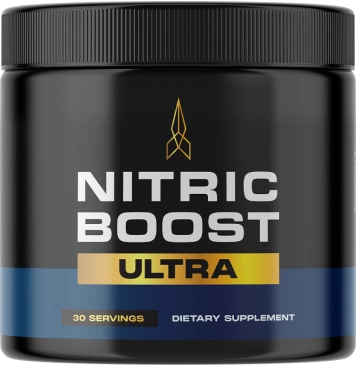
Review of beet root in Nitric Boost Ultra, dietary nitrate, nitric oxide physiology, vascular evidence, nitrate standardization and product-specific limitations.
Save or follow this source
Add Male Performance Supplements to Google Preferred Sources or open this page in your preferred AI tool.
Desk ResearchEvidence LabelsSafety ContextUpdated Aug
Published Products
Explore all current MPS evidence-led product reviews.

Dietary nitrate pathway
Beetroot is relevant because it can supply nitrate—not because beet powder is automatically standardized.
Dietary nitrate can be converted to nitrite and then to nitric oxide. This nitrate–nitrite–NO pathway is an established part of vascular physiology and helps explain the popularity of beetroot products in blood-pressure, exercise and circulation research.
For a commercial supplement, however, the key variable is nitrate exposure. “Beet Root Powder” on an ingredient list does not tell us the nitrate concentration or how consistent that concentration is between batches.
Many beetroot studies use juices or preparations with measured nitrate content. Transferring those findings to an unspecified beet-root-powder amount would therefore overstate what is known.
What is well supported?
Mechanism and vascular relevance are stronger than sexual-performance outcome evidence.
Nitrate conversion
Supported: dietary nitrate can increase nitrate/nitrite availability and contribute to nitric-oxide production.
Vascular measures
Relevant: human beetroot/nitrate studies have evaluated blood pressure and endothelial or exercise-related outcomes.
Nitric Boost Ultra outcome
Not established: the ingredient listing alone does not prove erectile or sexual-performance benefit from the finished product.
Standardization problem
“How much beet root?” is not the same as “how much nitrate?”
Two beet-root powders of the same weight can contain different nitrate concentrations because of agricultural conditions, processing and formulation. A product could therefore contain a substantial mass of beet powder yet still be difficult to compare with a standardized nitrate intervention.
For research-grade interpretation, a label or certificate showing nitrate content would be more informative than total beet-root powder alone.
MPS assessment
Credible nitrate mechanism; product-specific effect remains uncertain.
Beetroot is a sensible ingredient in a nitric-oxide-themed formula, but the evidence should be described at the pathway/ingredient level until nitrate exposure and finished-product outcomes are established.
Beetroot evidence map: beet powder, nitrate exposure and product claims are not interchangeable
Beetroot is relevant because it can contribute dietary nitrate, but product interpretation depends on what the ingredient actually supplies. A stated beetroot amount is not automatically equivalent to a known nitrate amount.
| Question | What can be evaluated | What may remain unknown |
|---|---|---|
| Is beetroot present? | The label can confirm whether beetroot or a beet-derived ingredient is included. | Presence alone does not establish nitrate standardization. |
| How much nitrate is delivered? | A standardized or quantified nitrate amount would allow closer comparison with nitrate research. | A beetroot weight alone may not reveal nitrate exposure. |
| Is the mechanism relevant? | Dietary nitrate is relevant to nitric-oxide physiology. | Mechanistic relevance does not establish a finished-product sexual-performance effect. |
| Can research be mapped to the product? | Ingredient form, dose and outcome can be compared when adequately disclosed. | Unverified composition weakens research-dose matching. |
Interpretation: compare nitrate exposure, not simply beetroot milligrams, when judging whether a product resembles the research.
Selected references
Research trail
- NIH Office of Dietary Supplements: Exercise and Athletic Performance.
- Current merchant/product materials supplied for this project, reviewed August 21, . Product formulation, prices, bonuses and guarantee statements are treated as merchant representations rather than independent efficacy evidence.
References are included for research context. Evidence on a constituent ingredient does not automatically validate the finished product.
Current merchant offer
Compare the current Nitric Boost Ultra package options.
The supplied merchant materials reviewed August 21, show one-, three- and six-jar packages. Commercial terms can change; verify the live checkout before purchasing.

1 Jar · 30 Days
$69 total · $69/jar
Shipping additional in the supplied offer.
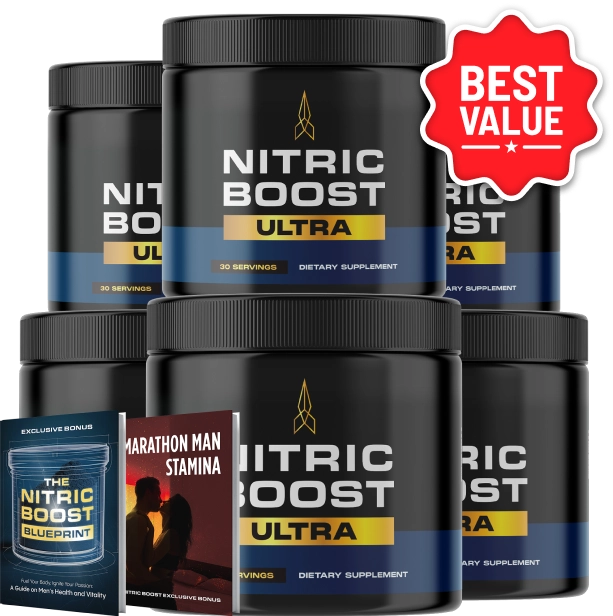
6 Jars · 180 Days
$294 total · $49/jar
Free U.S. shipping + two digital bonuses currently displayed.
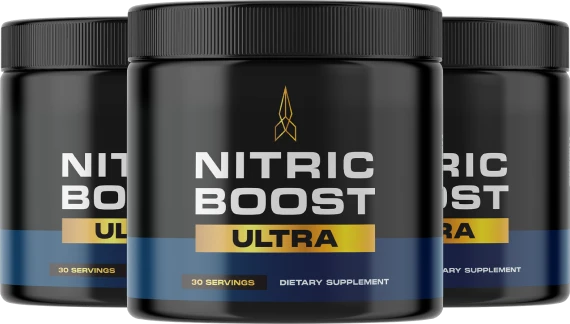
3 Jars · 90 Days
$177 total · $59/jar
Free U.S. shipping + two digital bonuses currently displayed.

Continue the research
Explore the Nitric Boost Ultra evidence cluster.
Safety & mechanism
Ingredient deep dives
L-Arginine →
L-Citrulline →
Beet Root →
D-Aspartic Acid →
Horny Goat Weed →