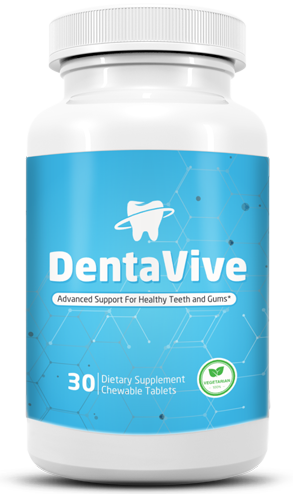
Tooth enamel undergoes repeated episodes of mineral loss and repair. Early non-cavitated mineral loss can sometimes be reversed or arrested by appropriate preventive measures, especially fluoride exposure, but missing enamel does not simply grow back. Here is how remineralization works, what dental authorities support and why the presence of calcium- or probiotic-related ingredients in DentaVive is not proof of enamel restoration.
Affiliate disclosure: We may earn a commission if you follow a DentaVive purchase link. Product claims and pricing are separate from independent clinical evidence.
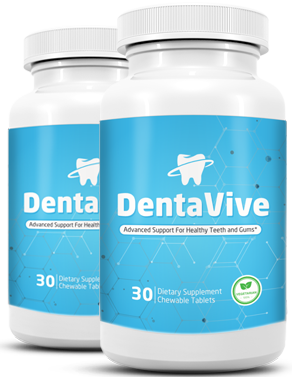
Review the seller’s current package options, shipping eligibility, returns and final checkout charge. The purchase graphic is a seller-provided offer illustration; prices and guarantees require verification against current checkout terms.
Demineralization and remineralization explained
When bacteria metabolize fermentable carbohydrates, acids can lower plaque pH and dissolve mineral from susceptible enamel surfaces. Saliva provides buffering and supplies calcium and phosphate that can participate in remineralization. The net result depends on how often acid challenges occur, oral hygiene, salivary conditions and effective preventive interventions. Remineralization is most relevant to early, non-cavitated damage; a tooth with significant structural destruction requires clinical assessment. The distinction matters because “restore enamel” can be interpreted as rebuilding lost tooth shape, which ordinary remineralization does not accomplish.
Why fluoride is central to evidence-based care
The American Dental Association explains that fluoride can promote remineralization, decrease demineralization and increase enamel resistance to acid challenges. Depending on individual risk and age, fluoride is delivered through toothpastes, rinses, gels or professional varnishes. The appropriate strength and delivery should be selected in line with professional guidance. Fluoride use is a real, evidence-supported care category, but that evidence belongs to the actual fluoride interventions studied and must not be transferred to a probiotic supplement. ADA fluoride guidance.
What calcium and phosphate can—and cannot—show
Enamel mineral consists largely of calcium-phosphate chemistry, and these ions are relevant to biological remineralization processes. However, listing tricalcium phosphate on a product's marketing page does not demonstrate that swallowing or taking that supplement deposits meaningful mineral in human enamel. Route, chemical formulation, exposure, concentration and clinical endpoints all matter. Evidence for one topical dental preparation does not establish effectiveness of an unrelated dietary formulation. The archived DentaVive materials mention tricalcium phosphate, but there is no supplied finished-product trial demonstrating enamel remineralization.
Where oral probiotics enter the picture
Some investigators study probiotics for effects on plaque-related organisms or oral acidity. The 2025 systematic review of 34 randomized trials found that many studies reported reduced S. mutans, yet findings on pH and several other measures were inconsistent. A separate 2025 review of 21 trials reported fewer studies showing changes in actual caries than in bacterial counts. These findings are biologically interesting, but neither a microbial effect nor a probiotic label establishes hard-tissue repair. 34-trial review; 21-trial review.
Evidence comparison: three different intervention types
Fluoride toothpaste and professionally used fluoride products: established preventive interventions with clinically meaningful caries evidence. Specified calcium-phosphate dental preparations: their potential depends on the actual formulation and application; generalized claims are not justified. Oral probiotic supplements: research remains strain- and endpoint-dependent, with many studies focused on microbial measures. Comparing these types requires attention to route, exposure and outcome—not simply whether the label refers to teeth or minerals. This framework prevents a marketing page from using strong evidence for fluoride to substantiate a product that does not deliver the same intervention.
How to recognize when a dental examination matters
White-spot lesions, sensitivity, dark areas, rough surfaces or visible holes may require different advice. Appearance alone does not reliably identify whether damage is reversible. A clinician can assess whether a lesion is active, whether it has cavitated and what level of intervention is needed. Sensitivity may arise from causes other than enamel loss, including exposed root surfaces. Avoid experimenting with supplements while delaying treatment for pain, swelling, or advancing decay. Good preventive care is tailored rather than driven by a generic product claim.
A realistic consumer checklist
Ask whether the intended outcome is avoiding new decay, arresting an early lesion, reducing sensitivity or improving the appearance of a tooth. Then identify the intervention supported for that outcome. Use fluoride products as directed; maintain regular brushing, appropriate interdental care and diet awareness. If considering DentaVive, request the verified ingredient panel and look for clinical studies on the finished product and outcome at issue. No evidence currently supplied here supports a claim that DentaVive replaces fluoride or reconstructs damaged teeth.
What evidence would justify an enamel benefit claim?
A credible product-specific study should identify the exact formulation and delivery instructions, select a relevant comparison group and measure change in an accepted enamel endpoint. Laboratory dissolution tests can help explain chemistry, but a surface change measured in a dish is not the same as improvement in a person's teeth. An early lesion that appears less conspicuous also requires careful interpretation; appearance, mineral content and structural repair are different outcomes. Readers should look for the length of observation, whether fluoride use was controlled and whether outcomes were evaluated independently. Without that level of evidence, enamel-restoration language belongs in a seller-claim description rather than a clinical conclusion.
The DentaVive formulation should be considered alongside the evidence and limitations above. If you want to inspect the offer, compare total checkout cost, disclosed formula, serving directions and seller policies rather than relying on promotional graphics alone.
View Current DentaVive Options
Practical questions before choosing a supplement
Can weakened enamel recover?
Some early non-cavitated mineral loss can be remineralized under favorable conditions. Lost tooth structure and established cavities generally need professional assessment and possibly restorative care.
Does fluoride help remineralization?
Yes. The ADA describes fluoride as effective in protecting enamel and promoting remineralization when used appropriately.
Does tricalcium phosphate guarantee enamel repair?
No. Presence of a mineral ingredient alone is not a clinical outcome. The applied preparation, exposure and supporting trials must match the claim.
Do probiotic trials prove enamel regrowth?
No. Most measure microorganisms or caries indicators, not restoration of lost tooth structure. Effects remain formulation- and population-specific.
Can DentaVive replace fluoride toothpaste?
No. The supplied evidence does not demonstrate equivalence to established fluoride-based prevention or indicate that the product should replace routine dental care.
Further reading and buying decision
Start with the DentaVive MPS evidence review for the formula-level assessment. The other cluster pages address distinct questions about gum-health probiotics, bad-breath probiotics, oral microbial ecology, and gingivitis evidence. Pages in the present Batch 2 remain proposed until deployed; publishing will ensure all navigation targets are live.
If DentaVive remains relevant after reviewing its label and the clinical evidence, inspect the seller’s current terms. A supplement is not a substitute for brushing with fluoride toothpaste, interdental cleaning or professional dentistry.
References
- American Dental Association, fluoride clinical guidance. https://www.ada.org/resources/ada-library/oral-health-topics/fluoride-topical-and-systemic-supplements
- The Saudi Dental Journal (2025), 34-trial probiotic systematic review. https://pubmed.ncbi.nlm.nih.gov/41331162/
- Frontiers in Oral Health (2025), clinical evidence review. https://doi.org/10.3389/froh.2025.1720036
Methodology: Desk research only; DentaVive has not been personally tested. Outcomes seen with specific strains or dental interventions cannot be attributed to the finished DentaVive formula without suitable direct evidence.