Healthy gums rely on effective plaque removal, regular dental assessment and a supportive oral environment. Some probiotic strains have been studied as additions to routine or professional gum care, but evidence varies by condition and by preparation. An oral probiotic may be worth learning about; it should not be presented as a proven remedy for bleeding gums or periodontitis. This guide explains what researchers measured, where findings are promising and how to evaluate supplements such as DentaVive without mistaking ingredient research for proof about the finished product.
Affiliate disclosure: This page may earn a commission from qualifying purchases through the DentaVive merchant link. Commercial recommendations do not replace clinical evidence.
What does “gum health” include?
Gum health is not a single laboratory result. Dentists assess visible inflammation, bleeding on probing, plaque accumulation, attachment loss and probing depths depending on the clinical question. Redness or bleeding may indicate gingivitis, but a periodontal examination is needed to establish whether more advanced disease or other causes are present. The distinction matters when interpreting probiotic trials: a modest change in plaque scores in one population cannot stand in for prevention of tooth loss in another.
The oral microbiome is also part of this picture. Dental plaque is a structured microbial community, not merely loose bacteria that can be replaced by swallowing a capsule. Saliva, dietary sugar, oral hygiene and the local environment influence which microorganisms thrive. An intervention may modify a microbial marker without improving the outcome that matters most to a patient. For a related explanation of these mechanisms, see oral microbiome balance.
What have clinical trials found?
The 2023 systematic review by Inchingolo and colleagues selected twelve human clinical investigations covering several oral-health outcomes. Some reported improvement in periodontal measurements after defined probiotic interventions; other studies did not show meaningful differences in endpoints such as caries recurrence. The authors emphasized heterogeneous strains, populations and protocols, as well as unresolved long-term effectiveness [1]. A study about a particular Lactobacillus reuteri preparation therefore cannot validate all supplements displaying that species name.
A subsequent 2025 systematic review and meta-analysis by Benavides-Reyes and colleagues evaluated 24 randomized trials of probiotic interventions for gingivitis or periodontitis. Some periodontal adjunctive-treatment analyses suggested improvements in plaque or bleeding outcomes; pooled gingivitis endpoints did not establish statistically significant benefits [2]. That contrast is central to responsible interpretation. The more specific gingivitis guide examines why pooling disease categories can distort a reader's expectations.
Here is the practical evidence hierarchy:
| Evidence level |
What it shows |
What it does not show |
| Laboratory microbial activity |
A possible mechanism |
Better gum outcomes in people |
| Human study of a named strain |
Results for that intervention and population |
Equal results with every product containing the species |
| Adjunctive periodontal trial |
Possible benefit alongside standard treatment |
Replacement of professional care |
| Trial of the marketed finished formula |
Product-specific result for measured outcomes |
Unmeasured long-term guarantees |
Why strain and delivery details matter
Probiotic identity is more precise than a genus or species label. Different strains can have different characteristics; quantities, viability, vehicle and exposure duration may also influence the response. Lozenges that dissolve in the mouth, powders swallowed immediately and fermented foods should not be assumed to provide equivalent oral contact. Clinical trials may use interventions after scaling and root planing, which is a different situation from an otherwise healthy person adding a supplement to daily routines.
A useful label should disclose organism identities, quantitative amounts and relevant serving instructions. If strains or viable counts are missing, it becomes difficult to compare the formula with clinical studies. Avoid interpreting a high total count alone as proof of superior gum support. It may say little about the distribution of organisms or the specific endpoint of interest.
Where does DentaVive fit?
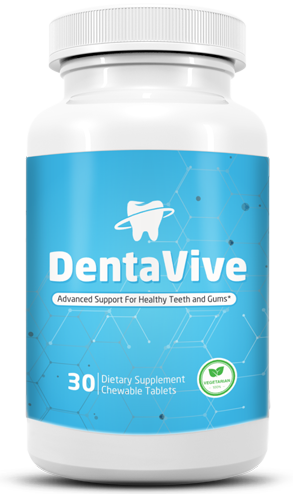
The archived DentaVive marketing describes multiple probiotic species, including L. reuteri, L. paracasei, L. salivarius and Bifidobacterium lactis. That makes the product relevant to a research-informed buying discussion. But the archive is merchant evidence for what was advertised, not independent verification of the current label, exact strains, viable counts or clinical efficacy. The current formula must be checked before any stronger claim is made.
Readers should ask whether the exact intervention studied in a cited human trial matches the sold formula. If the answer is unknown, the evidence should be described as indirect. The DentaVive master review gives the broader formula and offer assessment; the forthcoming ingredient-specific analysis will examine the marketed components in more detail.
How to make a reasonable gum-care decision
Prioritize plaque control and professional advice for persistent symptoms. Brush with fluoride toothpaste, clean between teeth using a method appropriate for your mouth and follow dental recommendations. If gums bleed, look swollen or hurt, arrange an assessment rather than attempting to identify the cause from supplement advertising. People who have periodontitis may need individualized professional treatment and follow-up; probiotics have principally been studied as additions in some such settings, not as substitutes.
If you are still interested in an oral probiotic, define what you want to evaluate. Is it breath freshness, plaque-related markers, a clinician-recommended adjunct, or general curiosity about the microbiome? The endpoints and supporting trials differ. Consider known sensitivities, immune status and the product's documented composition. A supplement's presence in a merchant catalog does not demonstrate safety for every individual.
Frequently asked questions
Do oral probiotics prevent gum disease?
Some studies suggest potentially useful changes in selected periodontal measures, but prevention of gum disease by a particular commercial supplement is not established by the cited reviews. The effect depends on the strain, intervention and population. Routine hygiene and dental care remain foundational.
Will a probiotic stop my gums from bleeding?
No reliable general promise can be made. Bleeding may indicate plaque-associated inflammation or another issue requiring assessment. It is safer to determine the cause with a dental professional than to rely on a supplement or an online testimonial.
Are all Lactobacillus reuteri products equivalent?
No. Studies often identify specific strains and delivery methods. Sharing a species name is not sufficient to transfer an observed benefit from one intervention to another.
Does DentaVive have finished-product trial evidence?
The sources reviewed here do not establish a clinical trial on the finished DentaVive formula. Ingredient discussions should remain separate from the question of independently demonstrated DentaVive outcomes.
Related reading: DentaVive formula and overview · Gingivitis-specific evidence · Oral microbiome mechanisms.
References: [1] Inchingolo F et al. Pharmaceuticals 2023;16:1313. https://doi.org/10.3390/ph16091313. [2] Benavides-Reyes C et al. BMC Oral Health 2025;25:490. https://doi.org/10.1186/s12903-025-05888-5. [3] American Dental Association, Periodontitis: https://www.ada.org/resources/ada-library/oral-health-topics/periodontitis.
Editorial note: Independent desk research; no personal product testing. This material is educational and does not provide diagnosis or treatment.