Oral probiotics can influence some bacteria associated with tooth decay, but a lower bacterial count is not the same as fewer cavities. Research findings vary by strain, age group, delivery format and how long participants are followed. This guide separates changes in salivary Streptococcus mutans from the outcomes people care about most: preventing new lesions and limiting progression.
Affiliate disclosure: We may earn a commission if you follow a DentaVive purchase link. Product claims and pricing are separate from independent clinical evidence.
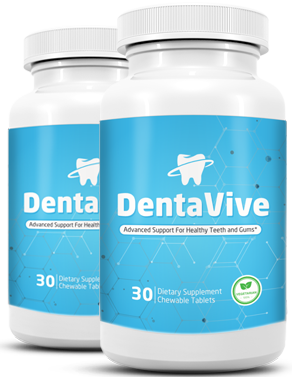
Review the seller’s current package options, shipping eligibility, returns and final checkout charge. The purchase graphic is a seller-provided offer illustration; prices and guarantees require verification against current checkout terms.
How tooth decay develops
Dental caries is a dynamic process driven by interactions among fermentable carbohydrates, plaque organisms, saliva, acid production and the tooth surface. Frequent acid exposure promotes mineral loss; protective factors help balance that process. Streptococcus mutans is a frequently studied organism associated with caries, but decay is not determined by one bacterial species alone. Consequently, removing or reducing one salivary organism is not a complete prevention strategy. Established care addresses the wider environment through fluoride, plaque control, diet and individual risk management. ADA fluoride evidence.
Why bacterial counts attract research
Trials often measure salivary S. mutans because it can be sampled more conveniently than waiting for clinically meaningful cavity outcomes. Counts can reveal biological activity, but salivary findings do not necessarily reflect plaque at every tooth surface. A statistically significant microbial change may be temporary and might not alter lesion incidence. Good research distinguishes a surrogate marker from actual dental outcomes. This is especially important for promotional claims about “cavity protection” based entirely on bacterial testing.
What a 2025 review reported
A systematic review published in Frontiers in Oral Health identified 21 randomized controlled trials. Fifteen reported a statistically significant decrease in salivary S. mutans, while nine documented a decrease in caries incidence or progression. These counts show why both positive signals and limitations matter: favorable microbial results appeared more often than favorable clinical lesion outcomes. The studies differed in strains, delivery, ages and follow-up. The authors called for additional standardized long-term research. 2025 clinical evidence review.
What the newer quantitative synthesis adds
A 2026 network meta-analysis evaluated 20 trials with quantitative S. mutans outcomes. It found that average differences from placebo were generally small and not consistently statistically significant across intervals, with transient, strain-dependent effects and low-to-moderate certainty. This does not simply negate every positive earlier trial: it asks a stricter pooled comparative question. Together, the reviews support cautious interpretation rather than a generic “probiotics prevent cavities” conclusion. Chaple Gil et al..
Evidence matrix: markers versus outcomes
In-vitro bacterial inhibition: a mechanistic experiment, not proof of fewer cavities. Salivary S. mutans reduction: a human microbiological endpoint, but an indirect proxy for clinical decay. Plaque or salivary pH: contextual intermediate measures that may be relevant yet not sufficient alone. New cavitated lesions or caries progression: patient-relevant outcomes, ideally evaluated over meaningful follow-up intervals. Finished-product trials: direct evidence for an identified formula, if conducted. A buyer should look for this endpoint ladder in scientific claims and avoid treating all results as interchangeable.
Why childhood studies require careful interpretation
Many probiotic-caries trials have focused on children, with different dietary habits, dentition and baseline risk than adult shoppers. The 2025 review of 34 randomized trials also found that most included younger participants, and reported inconsistent results for plaque index, gingival status, salivary pH and buffering. Childhood data can advance scientific understanding without serving as direct adult efficacy evidence. 2025 risk-of-bias review.
Evaluating DentaVive and routine prevention
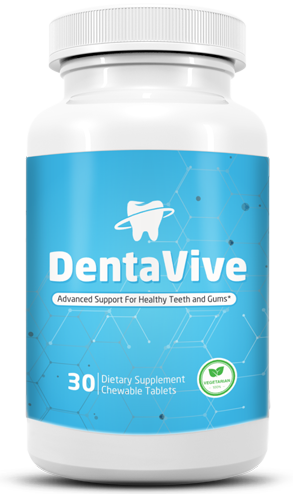
The archived DentaVive promotion lists probiotic species, but does not establish a trial of the finished formula demonstrating fewer cavities. Neither a bacterial species name nor a promotional description substitutes for clinical comparison. Prioritize fluoride toothpaste used as directed, appropriate interdental cleaning, sugar-exposure management and risk-based dental evaluation. A probiotic purchase is a separate optional consumer decision. If the exact label and regimen are unavailable, the clinical applicability of ingredient studies cannot be verified.
Evaluating real-world trial applicability
When a trial reports a reduction in caries, check whether participants had primary or permanent teeth, their age and baseline decay risk, whether all groups received fluoride, and how lesions were diagnosed. Consider the number of new lesions rather than relying only on a relative percentage. A trial that takes place in schoolchildren receiving probiotic milk may not predict an adult consumer's experience using a different capsule. Likewise, a statistically favorable result over a short interval may not establish durable protection. Reporting the specific intervention and denominator makes comparisons more meaningful. These questions help distinguish an interesting scientific finding from an outcome claim suitable for retail advertising.
The DentaVive formulation should be considered alongside the evidence and limitations above. If you want to inspect the offer, compare total checkout cost, disclosed formula, serving directions and seller policies rather than relying on promotional graphics alone.
View Current DentaVive Options
Practical questions before choosing a supplement
Do oral probiotics prevent cavities?
Some trials suggest benefits in selected populations, but findings are inconsistent and formulation-specific. Reviews do not support treating every product as a proven caries-prevention method.
Is reducing Streptococcus mutans enough?
No. It is one research marker among several factors. Clinical cavities depend on the entire oral environment and must be assessed independently.
Can DentaVive reverse a cavity?
No direct clinical evidence supplied here supports that claim. A dentist can distinguish early non-cavitated lesions from decay requiring restorative treatment.
Are the studies mainly in adults?
Many trials included children. Evidence should not be transferred from pediatric populations to adult users without justification.
What prevention methods have the strongest support?
Fluoride, oral hygiene, dietary risk management and dental care remain central. Supplements should not displace them.
Further reading and buying decision
Start with the DentaVive MPS evidence review for the formula-level assessment. The other cluster pages address distinct questions about gum-health probiotics, bad-breath probiotics, oral microbial ecology, and gingivitis evidence. Pages in the present Batch 2 remain proposed until deployed; publishing will ensure all navigation targets are live.
If DentaVive remains relevant after reviewing its label and the clinical evidence, inspect the seller’s current terms. A supplement is not a substitute for brushing with fluoride toothpaste, interdental cleaning or professional dentistry.
References
- Frontiers in Oral Health (2025), systematic review of 21 trials. https://doi.org/10.3389/froh.2025.1720036
- Chaple Gil et al. (2026), network meta-analysis. https://doi.org/10.1111/adj.70036
- The Saudi Dental Journal (2025), 34-trial systematic review. https://pubmed.ncbi.nlm.nih.gov/41331162/
- American Dental Association, fluoride overview. https://www.ada.org/resources/ada-library/oral-health-topics/fluoride-topical-and-systemic-supplements
Methodology: Desk research only; DentaVive has not been personally tested. Outcomes seen with specific strains or dental interventions cannot be attributed to the finished DentaVive formula without suitable direct evidence.