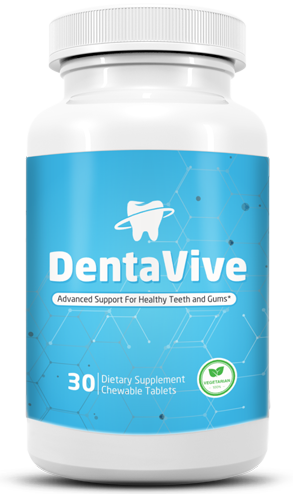
Some probiotic strains have been investigated for halitosis, particularly breath odor associated with volatile sulfur compounds produced by oral microorganisms. Several small randomized trials report favorable results, but not every intervention worked equally well and long-term effects remain uncertain. Before choosing an oral probiotic such as DentaVive, it helps to understand what causes bad breath, what the studies measured, and how to tell a promising ingredient from a clinically validated finished formula.
Affiliate disclosure: Purchasing through the DentaVive merchant links on this page may generate a commission. Research statements distinguish independent studies from seller claims.
Why does breath become unpleasant?
Halitosis can have several origins. Bacteria on the tongue and within the mouth may metabolize proteins and produce volatile sulfur compounds (VSCs) linked to characteristic odors. Plaque accumulation, gum inflammation and dry mouth can contribute, while certain foods, tobacco, medications and health conditions may also be relevant. Not all unpleasant breath is caused by the same process, so there is no single solution that fits everyone.
If odor persists despite routine care, dental or medical assessment can help identify underlying causes. Marketing language that frames all breath problems as a shortage of “good bacteria” oversimplifies the evidence. An oral probiotic is best evaluated as a possible additional strategy for particular circumstances, not a replacement for tongue cleaning, oral hygiene or treatment of dental disease.
How do researchers measure bad breath?
Trials use different methods. Instrumental readings can estimate VSC concentrations, sometimes with a device known as a halimeter. Organoleptic assessment relies on trained human evaluation of odor. Questionnaires capture a participant's perceived breath quality or its impact on confidence. These measures answer related but distinct questions: a lower VSC reading does not necessarily mean a comparable long-term change in perceived odor, social confidence or the causes of halitosis.
| Measure |
Main question |
Interpretation limit |
| VSC concentration |
Did selected odor-related compounds change? |
Other odor sources may remain |
| Organoleptic score |
Did evaluated odor change? |
Assessment procedures vary |
| Self-reported breath |
Did the participant notice improvement? |
Expectation and other factors may influence responses |
| Follow-up after stopping |
Did any effect persist? |
Often not adequately studied |
What does the clinical evidence show?
Passadakis and colleagues published a 2025 systematic review of six randomized controlled trials with a combined 360 participants. Five studies reported reductions in VSC-related measures, though the included interventions, assessment methods and follow-up schedules varied [1]. The review was encouraging for further research, but it did not establish that probiotics reliably remove every form of bad breath or that results endure after supplementation stops.
The 2023 oral-health review by Inchingolo and colleagues included a randomized placebo-controlled study evaluating Weissella cibaria CMU in relation to subjective halitosis and oral-health-related quality of life [2]. That evidence illustrates how a named strain and a defined study duration can be investigated. It does not automatically validate a different strain or an untested commercial combination.
A practical rule is to ask what exactly was administered, how long it was used and which outcome changed. Positive language about “fresh breath” should be tied to that answer. Research describing changes in odor-related markers is not the same as research demonstrating that a named product cures an underlying disease.
Which probiotic strains deserve a closer look?
Streptococcus salivarius K12 is of interest in oral-health and breath research. Its identity is more specific than a generic “probiotic blend” claim. Weissella cibaria preparations also appear in studies examining halitosis. Different strains and delivery formats cannot be assumed interchangeable, even when marketed under the same broad category.
Consumers should look for complete strain nomenclature, viable count or other appropriate identity information, delivery format and directions. A lozenge designed for prolonged contact with oral surfaces may not produce the same exposure as a capsule swallowed quickly. That does not prove one is better, but it highlights a meaningful comparison factor.
The broader oral microbiome guide describes bacterial ecology and the limits of mechanism-based assumptions. It is useful background for interpreting breath-related microbial changes.
Does DentaVive match the published studies?
The supplied DentaVive archive advertises Streptococcus salivarius K12 among several probiotics. This creates a legitimate reason to review K12 research, but the archive alone does not verify today's sold formula, quantities, delivery conditions or finished-product performance. No cited trial can be characterized as a DentaVive clinical study unless its tested intervention can be independently identified as that product.
Before purchase, verify current Supplement Facts and compare the named organisms against the trials being quoted. If exact exposure or formula details are unavailable, present the match as unresolved rather than inserting a confident benefit claim. The DentaVive master evidence review explains the full product evaluation.
When is a different approach more appropriate?
A dental examination is especially important when breath problems accompany gum bleeding, loose teeth, pain or other persistent symptoms. Routine dental hygiene and management of the actual cause may be more appropriate than purchasing a supplement. If dry mouth is prominent, the causes and relevant medicines may also deserve professional review. Avoid self-diagnosing a dental infection based on odor alone.
For occasional breath concerns, focus on a consistent oral-care routine and realistic expectations. Do not interpret a one-time subjective improvement as long-term clinical validation. The most credible product pages acknowledge the difference between a possible adjunct and an established intervention.
Frequently asked questions
Can probiotics eliminate bad breath permanently?
Current trial evidence does not support a universal permanent-elimination claim. Some specific strains have shown encouraging short-term results, and causes of halitosis vary. A lasting solution depends on identifying and addressing the underlying factors.
Does S. salivarius K12 prove DentaVive works?
No. Research concerning a named strain does not by itself establish the outcome of a marketed multi-ingredient formula. Dose, viability, mode of delivery and completed-product evidence remain important.
How long should a probiotic take to affect breath?
Study periods differ. The literature does not establish one reliable response timeline for DentaVive. Seller timelines should be treated as marketing representations unless independently substantiated.
Are probiotics a replacement for mouthwash or dental cleaning?
No. Hygiene and professional evaluation address important causes of breath odor. Probiotic research generally investigates potential additional effects rather than replacement of established care.
Related reading: DentaVive master review · Oral microbiome balance · Gum health research.
References: [1] Passadakis E et al. J Int Soc Prev Community Dent 2025;15:301–312. https://doi.org/10.4103/jispcd.jispcd_19_25. [2] Inchingolo F et al. Pharmaceuticals 2023;16:1313. https://doi.org/10.3390/ph16091313. [3] American Dental Association, MouthHealthy: https://www.mouthhealthy.org/.
Editorial note: Desk research only; no personal product testing. Persistent symptoms should be discussed with an appropriately qualified professional.