
Independent evidence review
Lactobacillus & Postbiotics in DentaBiome: What the Evidence Shows
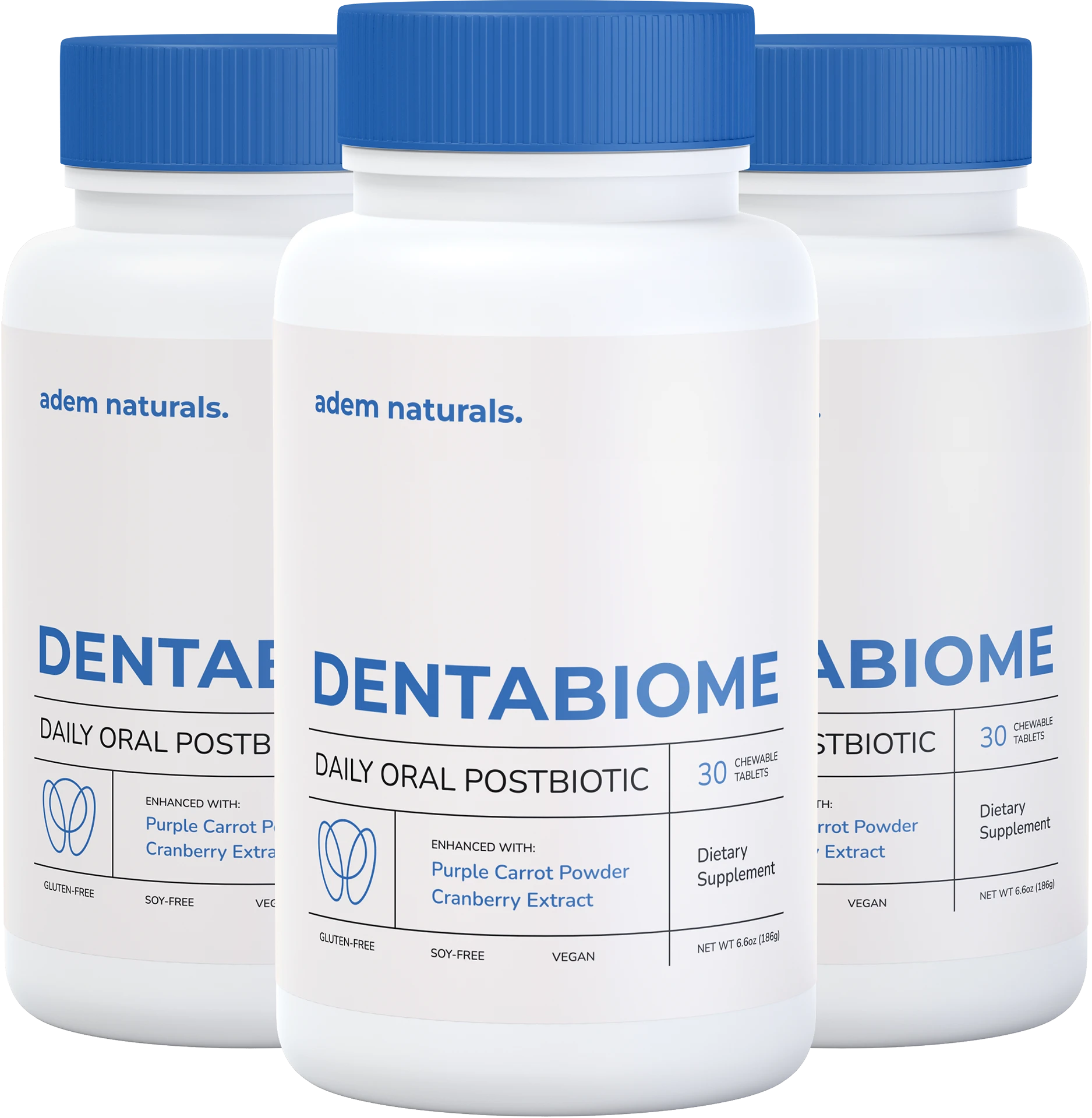
DentaBiome includes several Lactobacillus-related components, but the useful scientific question is whether the exact strain, preparation and dose match the human studies often cited for oral health. This page separates strain-level evidence from finished-product proof.
Save or follow this source
Add Male Performance Supplements to Google Preferred Sources or open this page in your preferred AI tool.
Evidence-firstIndependent desk research
Current merchant offer
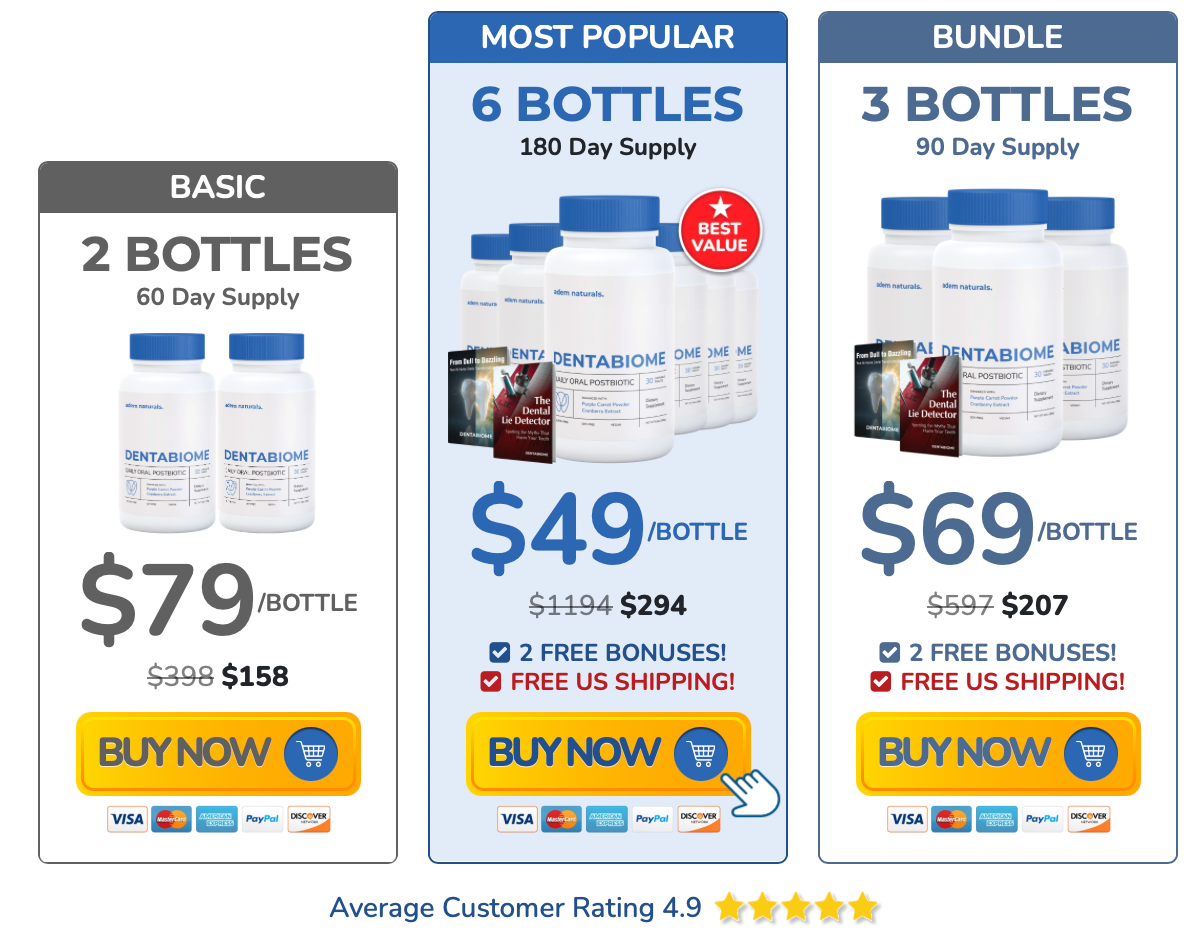
Check the Current DentaBiome Offer
Review the merchant package options after reading the evidence and limitations on this page.
Check Current DentaBiome Offer →Affiliate link. Merchant pricing, bonuses and shipping terms can change; verify them at the destination before purchase.
Published Products
Explore all current MPS evidence-led product reviews.


Direct answer
What does Lactobacillus evidence tell us about DentaBiome?
Specific Lactobacillus strains have shown useful signals in human oral-health trials, including changes in volatile sulfur compounds, probing depth and some periodontal measures. But those results are strain-, dose- and preparation-specific. They cannot be transferred automatically to DentaBiome unless the marketed formula matches the tested strain and preparation.
Why strain specificity matters
“Lactobacillus” is not a single intervention. Different species and strains can behave differently, and oral outcomes depend on the exact organism, viability or inactivation method, daily exposure and delivery format. DentaBiome promotional materials reference L. salivarius, L. rhamnosus and a dual-strain L. plantarum complex, but public materials do not consistently provide the same strain-level detail used in clinical papers.
That gap does not make the formula implausible. It means the correct scientific statement is narrower: the product contains bacterial species with relevant oral-health research, while product-specific efficacy remains a separate question.
What has been studied with L. salivarius?
A double-blind randomized crossover trial evaluated Lactobacillus salivarius WB21 in people with oral malodor. Volatile sulfur compounds and average probing pocket depth fell more during the probiotic period than during placebo, although the organoleptic malodor score improved in both periods and did not differ significantly between them.
An earlier double-blind randomized study also found improvements in some periodontal measures after WB21 tablets, particularly among smokers. These results support biological and clinical interest in this specific strain, not a universal effect for every L. salivarius preparation.
What about mixtures of Lactobacillus strains?
A randomized clinical trial in severe periodontitis used a combination of L. reuteri, L. salivarius and L. acidophilus alongside periodontal therapy. The intervention group showed greater improvements in several periodontal parameters than placebo. This is useful evidence that Lactobacillus-based adjunctive approaches can influence oral outcomes in a treatment context.
However, the trial does not test DentaBiome, and the study population, strains, treatment setting and formulation differ. It therefore supports the broader concept rather than the finished product.
Current merchant offer
If the Lactobacillus Evidence Fits Your Goals, Review the Offer
The ingredient rationale is stronger when you understand exactly what was studied and what remains unverified in the finished product.
Check Current DentaBiome Offer →Affiliate link. Merchant pricing, bonuses and shipping terms can change; verify them at the destination before purchase.
How do postbiotics change the interpretation?
Postbiotics are not simply “dead probiotics.” The scientific definition focuses on preparations of inanimate microorganisms and/or their components that confer a health benefit. Their composition can depend on strain, growth conditions, inactivation method and downstream processing.
A 2025 systematic review of postbiotics and dental caries included 21 studies, of which 18 were in vitro and three were randomized controlled trials. The review reported inhibitory effects on Streptococcus mutans growth, biofilm formation and virulence-related processes, but the heavy laboratory weighting means the clinical evidence base remains early.
Evidence ladder for DentaBiome's Lactobacillus components
| Level | Assessment |
|---|---|
| Mechanistic plausibility | Supported by probiotic and postbiotic microbiology research. |
| Human strain evidence | Available for specific strains such as L. salivarius WB21. |
| DentaBiome strain/preparation match | Incomplete from public product information reviewed. |
| Finished-product clinical proof | Not established by the cited Lactobacillus studies alone. |
What should buyers verify?
The most useful questions are whether the current label identifies the exact strains or postbiotic preparations, whether amounts are disclosed, whether the organisms are live or inactivated, and whether finished-product human trials exist. Those details determine how closely the product can be mapped to published research.
Practical takeaway: Lactobacillus research gives DentaBiome a plausible evidence foundation, but strain-level evidence should not be rewritten as proof that the exact product will reproduce the same clinical outcomes.
Related DentaBiome research
Compare the postbiotics vs probiotics guide, the oral microbiome evidence, the clinical evidence review, and the finished-product assessment.
Current merchant offer
Final Check: Current DentaBiome Offer
Use the merchant destination to verify today’s price, package, bonus, shipping and guarantee terms before purchase.
Check Current DentaBiome Offer →Affiliate link. Merchant pricing, bonuses and shipping terms can change; verify them at the destination before purchase.