
Ingredients & formula evidence
DentaBiome Ingredients: Formula, Facts & Evidence Review
DentaBiome combines several oral-microbiome and oral-care ingredients, but ingredient names alone do not show whether the exact strains, preparations and amounts match published research. This page maps the disclosed formula to the evidence questions that matter before buying.
Save or follow this source
Evidence-firstNo claimed personal testing
Current merchant offer
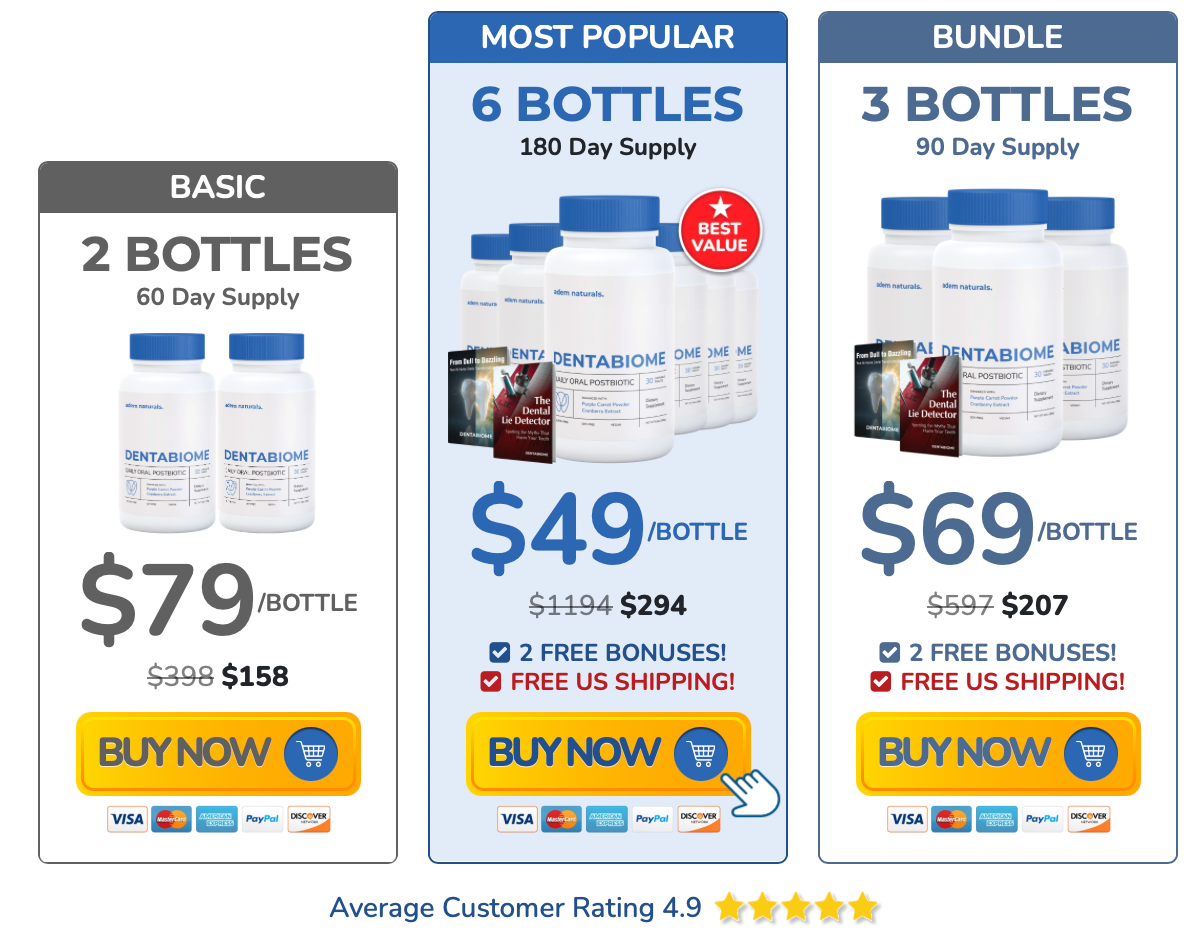
Check the Current DentaBiome Packages and Official Offer
If you are already comparing DentaBiome, review the current merchant package options and terms while keeping the evidence qualifications on this page in mind.
Check Current DentaBiome Offer →Affiliate link. Merchant pricing, bonuses and shipping terms can change; verify them at the destination before purchase.
Published Products
Explore all current MPS evidence-led product reviews.
Direct answer
What is in DentaBiome?
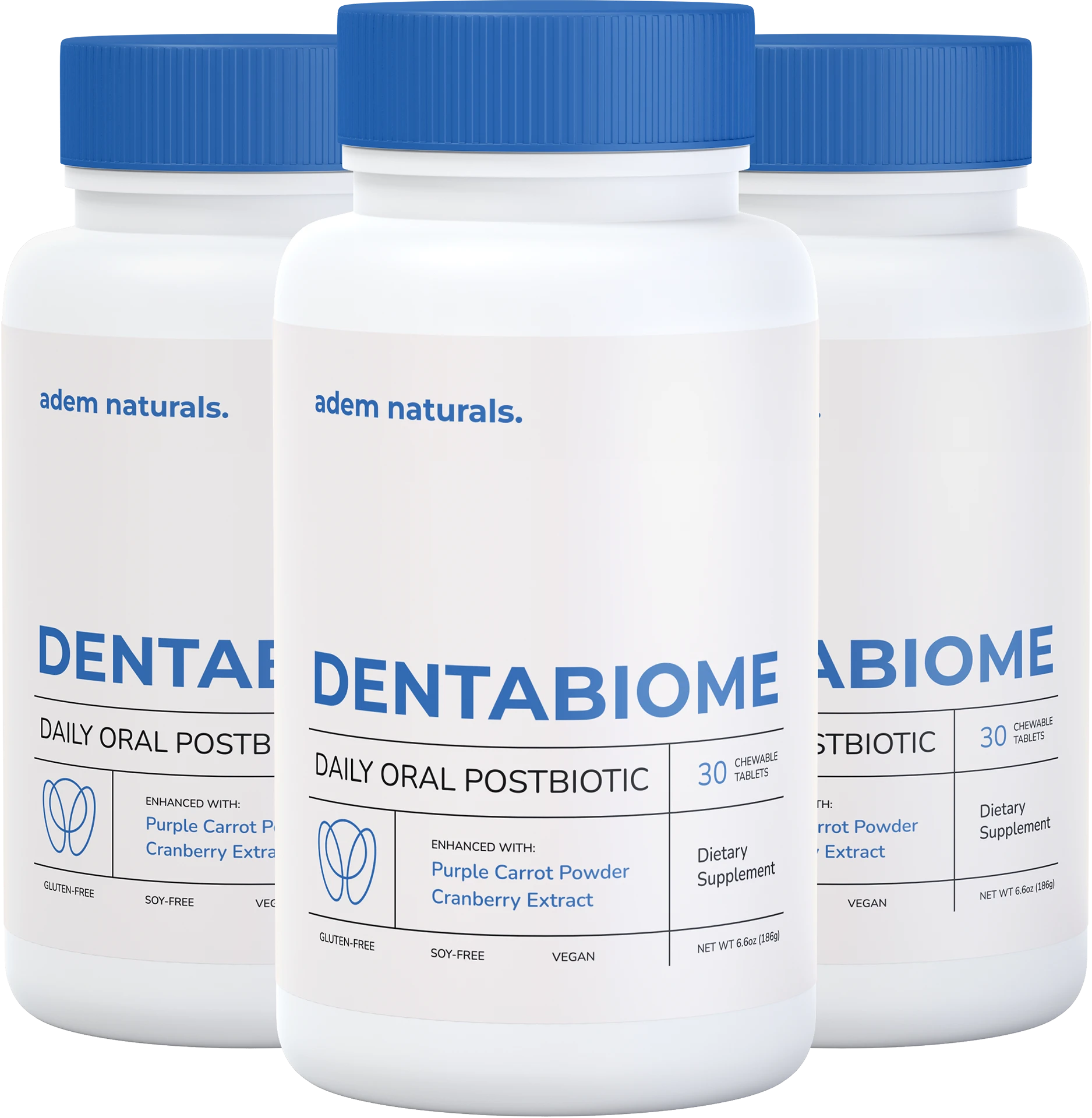
Public merchant materials describe DentaBiome as a chewable oral-wellness formula built around a dual-strain Lactiplantibacillus plantarum complex, Lactobacillus salivarius, Lactobacillus rhamnosus, BioFresh Clean Complex, xylitol, purple carrot powder and cranberry extract. The key research issue is not merely whether those names appear in scientific literature, but whether the exact strain, preparation and amount used in the marketed product match the interventions that produced study results.
Evidence rule: ingredient identity and merchant label facts can establish what the product contains; they do not by themselves establish that the finished DentaBiome formula produces a clinical outcome.
Formula map
Ingredient-by-ingredient research questions
| Component | Why it is relevant | Main evidence question |
|---|---|---|
| Dual-strain L. plantarum complex | Microbiome/postbiotic positioning | Which strains and what postbiotic preparation are actually used? |
| L. salivarius | Specific strains have human oral-health research | Does DentaBiome use the studied strain, preparation and dose? |
| L. rhamnosus | Frequently studied in probiotic literature | Can live-strain evidence be transferred to the marketed preparation? |
| BioFresh Clean Complex | Merchant-described enzyme/biofilm rationale | Are composition and amounts sufficiently disclosed for independent comparison? |
| Xylitol | Established oral-care research background | Is the delivered amount comparable with studied exposures? |
| Purple carrot powder | Anthocyanin/plant-compound rationale | Is there direct human oral-health evidence for the specific preparation? |
| Cranberry extract | Polyphenol and bacterial-adhesion research | Does the product match the extracts and exposures used in studies? |
Why strain identity and preparation matter
Microbial ingredients are unusually sensitive to specification. Two products can list the same species while differing in strain, viability, inactivation method, fermentation products and delivered amount. A trial on a live probiotic strain cannot automatically prove an effect for a postbiotic preparation made from the same species.
A randomized crossover trial of tablets containing L. salivarius WB21 used 2.0 × 10⁹ CFU per day for 14 days in people with oral malodor. Volatile sulfur compounds and average probing pocket depth decreased more during the probiotic period than placebo, while the organoleptic malodor score did not differ between periods. That makes the study relevant to a specific strain and live-tablet intervention, not direct proof for DentaBiome. PubMed.
How strong is the xylitol evidence?
Xylitol has a long oral-care history, but recent evidence remains more cautious than many marketing claims. A 2024 systematic review of nine human clinical trials concluded that the preventive effect of xylitol against dental caries could not be confirmed conclusively because protocols, populations and doses differed considerably. PubMed.
For DentaBiome, the scientifically useful question is therefore not simply “does it contain xylitol?” but “how much xylitol is delivered per daily serving, and is that exposure comparable with the forms and doses evaluated in human dental research?” If the current label does not provide that information, confidence in research matching should remain limited.
What about cranberry and purple carrot?
Cranberry polyphenols and anthocyanin-rich plant materials can support plausible laboratory mechanisms involving bacterial adhesion, oxidative processes or biofilm behavior. Mechanistic plausibility is not the same as a clinically meaningful outcome in people, and evidence from a concentrated research extract should not be transferred automatically to a different commercial powder or extract.
These ingredients are therefore best described as supportive botanical components unless exact preparation, amount and human oral-health evidence are available.
What should a buyer verify on the current label?
Species and strain
Look for strain-level detail rather than species name alone where research matching matters.
Live vs postbiotic preparation
A non-live preparation should not inherit efficacy claims from a live probiotic trial without evidence.
Amount per serving
Dose or preparation quantity is needed to compare the marketed product with published studies.
Proprietary blends
A blend name can describe a product concept while leaving important independent verification questions unresolved.
Ingredient-page conclusion
DentaBiome contains several components with a plausible oral-health rationale, but the strongest scientific interpretation depends on details that ingredient names alone cannot answer. The evidence is most credible when the exact strain, form, amount and intervention tested in humans align closely with the marketed product.
Continue to DentaBiome Clinical Evidence for the finished-product evidence ladder, or DentaBiome Side Effects & Safety for risk and tolerance considerations.
References
Research used on this page
- Suzuki et al. — randomized crossover trial of L. salivarius WB21 and oral malodor-related outcomes
- Ortiz-Sáez et al. — 2024 systematic review of xylitol and dental caries prevention
- Heidari et al. — 2025 systematic review of postbiotics and dental caries
- Current DentaBiome merchant materials — formula/offer facts only, not independent efficacy evidence
Current merchant offer
Review the Current DentaBiome Offer After the Evidence
Use the merchant destination to confirm the current package, shipping and guarantee terms before deciding.
Check Current DentaBiome Offer →Affiliate link. Merchant pricing, bonuses and shipping terms can change; verify them at the destination before purchase.
Current merchant offer
Final Check: Current DentaBiome Offer
If the formula, evidence limits and safety considerations fit what you are looking for, review the merchant offer directly.
Check Current DentaBiome Offer →Affiliate link. Merchant pricing, bonuses and shipping terms can change; verify them at the destination before purchase.