
Clinical evidence
DentaBiome Clinical Evidence: What Research Supports
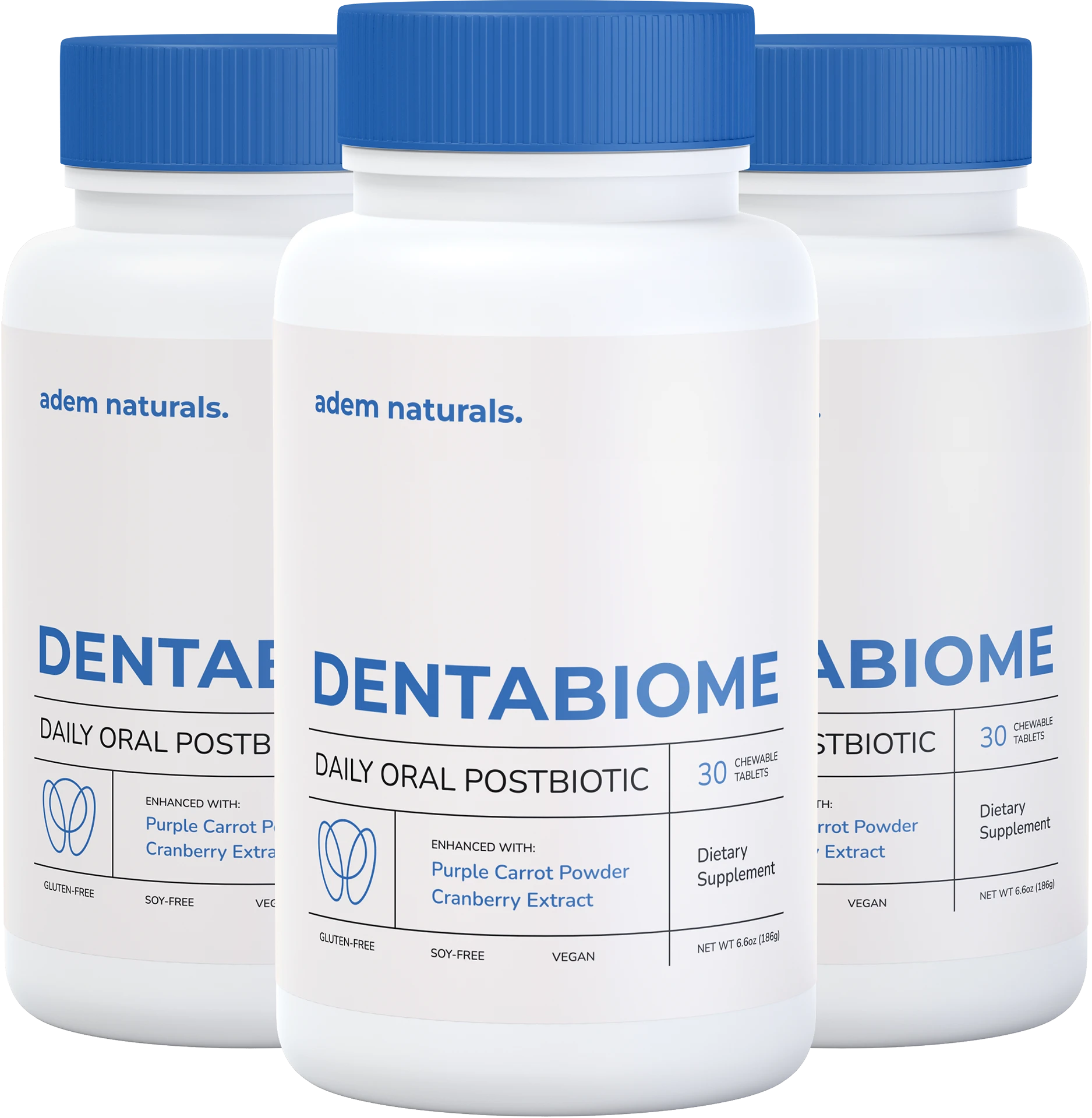
DentaBiome has a plausible oral-microbiome evidence story, but the strongest published support currently applies to intervention classes and specific ingredients or strains rather than automatically to the exact finished product. This page shows where that evidence is strong, indirect or still missing.
Save or follow this source
Evidence-firstNo claimed personal testing
Current merchant offer
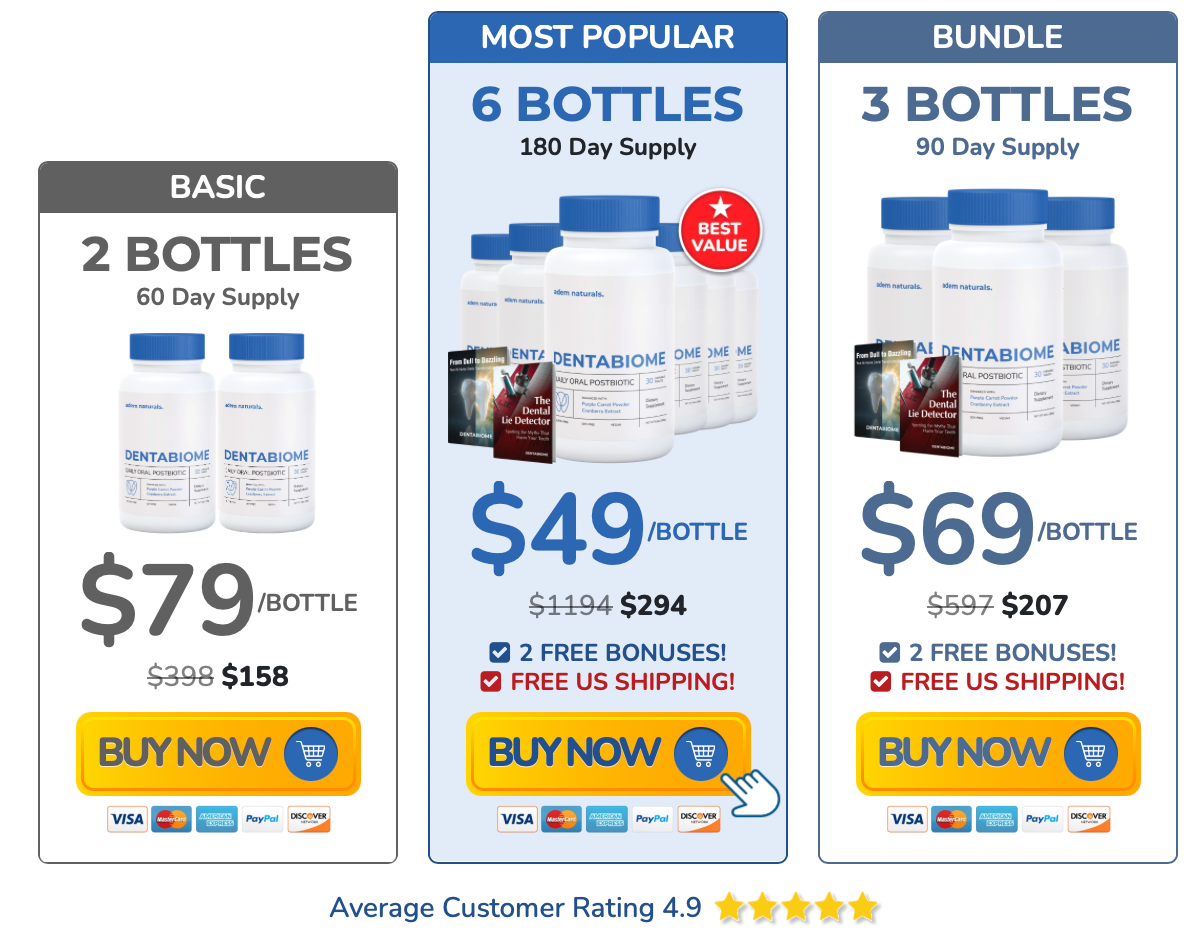
Check the Current DentaBiome Packages and Official Offer
If you are already comparing DentaBiome, review the current merchant package options and terms while keeping the evidence qualifications on this page in mind.
Check Current DentaBiome Offer →Affiliate link. Merchant pricing, bonuses and shipping terms can change; verify them at the destination before purchase.
Published Products
Explore all current MPS evidence-led product reviews.


Direct answer
What clinical evidence supports DentaBiome?
The current evidence is stronger for selected ingredients and for the broader oral probiotic/postbiotic concept than for the exact finished DentaBiome product. Based on the sources reviewed for this batch, DentaBiome should not be described as clinically proven unless a human study on the exact marketed formulation, preparation and dose is located and verified.
Evidence ladder: mechanism → ingredient human evidence → formula match → finished-product proof. Each step requires separate support; evidence does not automatically carry forward to the next level.
DentaBiome evidence ladder
| Level | What exists | What it can support |
|---|---|---|
| 1. Mechanism | Laboratory and biological rationale involving oral microbiome, bacterial adhesion, pH and biofilm processes | Plausibility only; mechanism is not an outcome. |
| 2. Ingredient/strain human evidence | Human trials exist for specific oral probiotic strains and xylitol interventions | Qualified statements about those exact interventions. |
| 3. Formula match | Requires strain, preparation, dose and delivery correspondence | Determines how transferable ingredient studies are. |
| 4. Finished-product proof | No verified exact-formula trial identified in the sources used for this batch | Without this step, strong DentaBiome-specific clinical outcome claims should be avoided. |
What does the 2025 postbiotic systematic review show?
A 2025 systematic review on postbiotics and dental caries included 21 studies. Eighteen were in vitro and three were randomized controlled trials. Across the included literature, Lactobacillus-derived postbiotics showed inhibitory effects on Streptococcus mutans growth, biofilm formation and virulence-related processes; human trials reported reductions in salivary S. mutans counts and increases in salivary pH after postbiotic interventions.
The authors described postbiotics as promising for caries prevention, but the evidence base was heterogeneous and dominated by laboratory studies. That makes the review useful for the intervention concept while leaving uncertainty about the exact DentaBiome formulation. PubMed.
What human evidence exists for Lactobacillus salivarius?
A double-blind randomized crossover trial evaluated tablets containing L. salivarius WB21 at 2.0 × 10⁹ CFU per day for 14 days in participants with oral malodor. Volatile sulfur compounds and average probing pocket depth declined more during the probiotic period than placebo, while organoleptic test scores improved in both periods without a significant between-period difference.
This is meaningful human evidence for a particular live strain and dose. It does not demonstrate that a different strain, inactivated postbiotic preparation or undisclosed amount in DentaBiome produces the same result. PubMed.
What does recent xylitol evidence show?
A 2024 systematic review assessed nine human clinical trials and concluded that xylitol's preventive effect against dental caries could not be confirmed conclusively because studies varied in population, dose, follow-up and protocol. This is a useful example of why a familiar oral-care ingredient should not automatically be turned into a finished-product prevention claim. PubMed.
Why formula matching changes the conclusion
Even high-quality ingredient research may have limited relevance when a commercial product does not disclose the same strain, amount, preparation or delivery exposure. For microbial ingredients, live versus inactivated status can materially change what evidence is transferable. For xylitol, the amount and frequency of exposure matter. For botanicals, extract specification and dose matter.
Accordingly, a DentaBiome evidence assessment should give more weight to transparent product specifications and exact finished-product research than to a long list of loosely related studies.
What claims are supportable today?
Supportable with qualification
DentaBiome contains ingredients from categories with oral-health research; the postbiotic concept is scientifically plausible and under active study.
Needs exact product evidence
Claims that DentaBiome itself prevents cavities, treats periodontal disease, repairs enamel or permanently eliminates bad breath.
Merchant facts
Current package options, formula descriptions and guarantee terms can be reported as merchant-supplied facts when verified.
Not clinical evidence
Testimonials, star ratings, popularity statements and package badges do not establish efficacy.
What evidence would materially strengthen the case?
- A registered randomized human trial using the exact marketed DentaBiome formula.
- Clear strain and postbiotic-preparation identification.
- Complete per-serving amounts for active components.
- Predefined clinically meaningful endpoints such as caries incidence, validated gingival measures or validated malodor outcomes.
- A suitable comparator, adequate follow-up and transparent adverse-event reporting.
Clinical-evidence conclusion
DentaBiome has a plausible evidence story, but the strongest support currently sits at the ingredient and intervention-class levels rather than at the finished-product level. That is enough to justify further consideration as an oral-wellness supplement; it is not enough to justify describing the product itself as clinically proven for disease outcomes.
For formula mapping see DentaBiome Ingredients. For risk and tolerance see DentaBiome Side Effects & Safety. Return to the DentaBiome master review for the complete buying decision framework.
References
Key scientific sources
- Heidari et al. — 2025 systematic review, Postbiotics and Dental Caries
- Suzuki et al. — randomized crossover trial, L. salivarius WB21 and oral malodor-related factors
- Ortiz-Sáez et al. — 2024 systematic review of xylitol and dental caries
- DentaBiome merchant materials — product facts and offer terms only
Current merchant offer
Review the Current DentaBiome Offer After the Evidence
Use the merchant destination to confirm the current package, shipping and guarantee terms before deciding.
Check Current DentaBiome Offer →Affiliate link. Merchant pricing, bonuses and shipping terms can change; verify them at the destination before purchase.
Current merchant offer
Final Check: Current DentaBiome Offer
If the formula, evidence limits and safety considerations fit what you are looking for, review the merchant offer directly.
Check Current DentaBiome Offer →Affiliate link. Merchant pricing, bonuses and shipping terms can change; verify them at the destination before purchase.