
Independent evidence review
Cranberry Extract in DentaBiome: What Oral-Health Research Supports
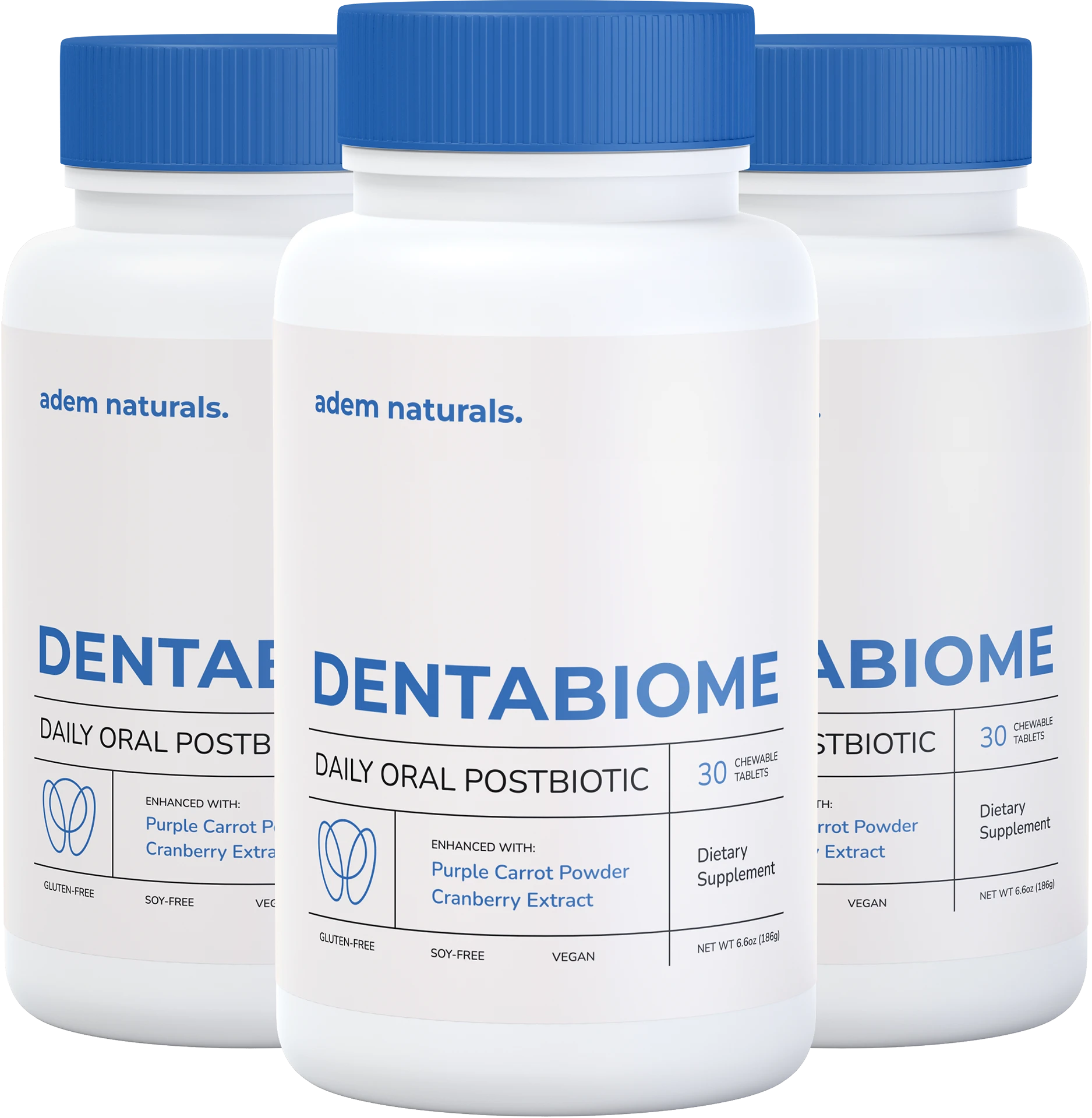
Cranberry polyphenols are studied for anti-adhesion and biofilm-related effects in oral microbiology. This page examines what that evidence means for DentaBiome and why laboratory findings should not be presented as finished-product clinical proof.
Save or follow this source
Add Male Performance Supplements to Google Preferred Sources or open this page in your preferred AI tool.
Evidence-firstIndependent desk research
Current merchant offer
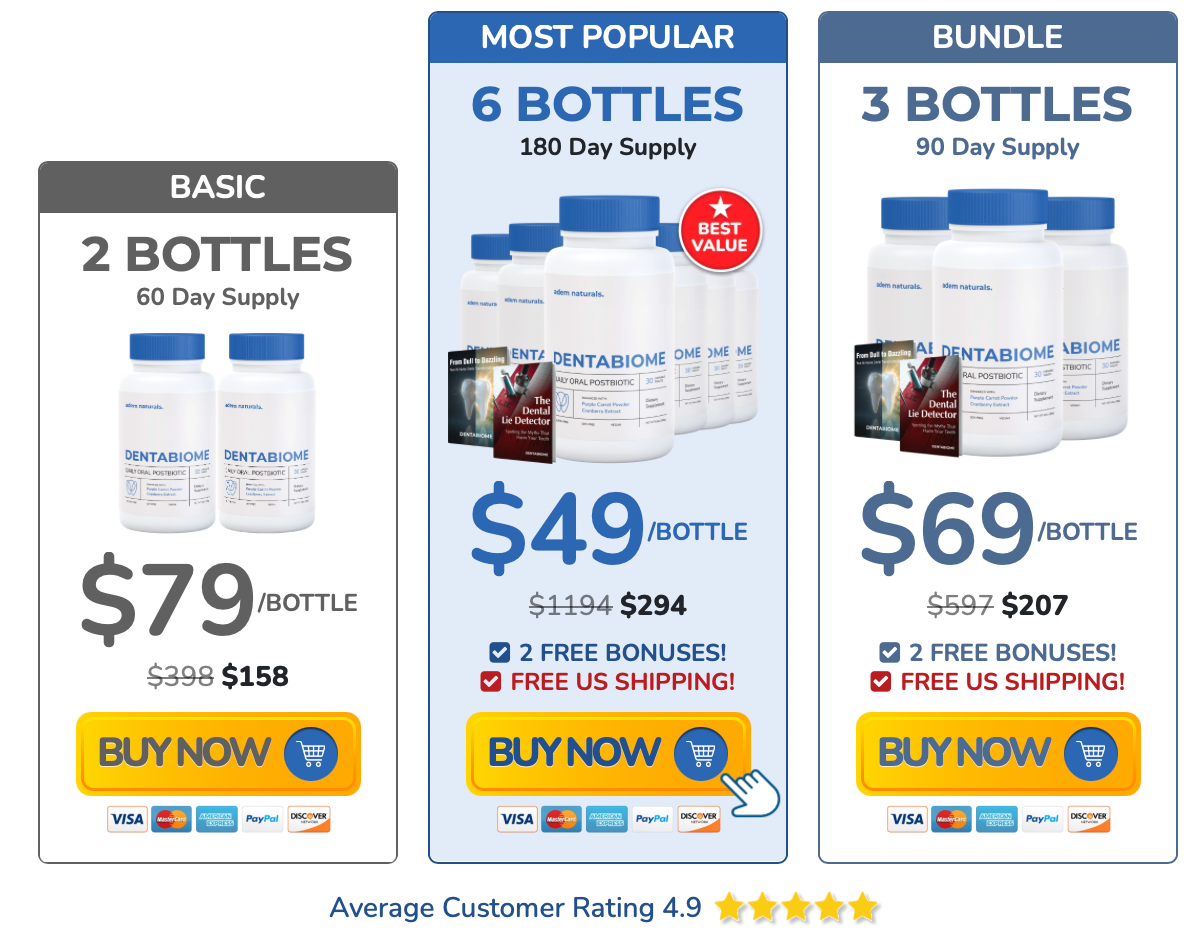
Check the Current DentaBiome Offer
Review the merchant package options after reading the evidence and limitations on this page.
Check Current DentaBiome Offer →Affiliate link. Merchant pricing, bonuses and shipping terms can change; verify them at the destination before purchase.
Published Products
Explore all current MPS evidence-led product reviews.


Direct answer
What does cranberry evidence contribute to DentaBiome?
Cranberry polyphenols have shown anti-adhesion and biofilm-related effects against several oral pathogens in laboratory research. The evidence is scientifically interesting but has historically been dominated by in vitro work, so cranberry extract should be treated as a supportive formulation rationale rather than as clinical proof that DentaBiome treats periodontal disease or prevents cavities.
Why is cranberry studied in oral health?
Cranberry contains polyphenolic compounds, including proanthocyanidins, that have been investigated for their ability to interfere with bacterial adhesion and biofilm development. Oral disease is strongly connected to biofilm ecology, so an ingredient that modifies adhesion or virulence pathways can be mechanistically relevant.
The important distinction is that a mechanistic effect measured in a laboratory does not automatically predict a clinically meaningful outcome in a person using a finished supplement.
What does the periodontal biofilm literature show?
An integrative review identified eight studies evaluating cranberry extract against periodontopathogenic bacteria and periodontal biofilm. The review reported inhibitory effects on biofilm formation involving organisms such as Porphyromonas gingivalis and Fusobacterium nucleatum at certain concentrations.
However, the same review found no human studies and noted methodological limitations. It also reported that cranberry did not consistently inhibit bacterial growth or break down already formed biofilm. This is exactly why the evidence supports a cautious anti-adhesion/biofilm rationale rather than a treatment claim.
Can cranberry findings be transferred to DentaBiome?
Only partially. To transfer evidence convincingly, the DentaBiome cranberry extract would need enough information about species, standardization, active polyphenol content and dose to compare it with the research intervention. Public product materials identify cranberry extract but do not consistently provide the detail needed for that type of evidence matching.
That leaves a common affiliate-marketing gap: the ingredient name is real and the mechanism is plausible, but the product-specific bridge is incomplete.
Current merchant offer
If the Ingredient Rationale Fits Your Goals, Review the Offer
Cranberry adds plausible anti-adhesion and biofilm context, but the finished-product decision should also consider dose transparency and overall evidence.
Check Current DentaBiome Offer →Affiliate link. Merchant pricing, bonuses and shipping terms can change; verify them at the destination before purchase.
Evidence ladder for cranberry in DentaBiome
| Evidence level | Assessment |
|---|---|
| Mechanism | Anti-adhesion and biofilm-related activity is plausible. |
| Laboratory evidence | Supportive across multiple oral-pathogen models. |
| Human oral evidence | Historically limited relative to the laboratory literature. |
| DentaBiome formulation match | Unclear without standardized extract and dose information. |
| Finished-product proof | Not established by cranberry evidence alone. |
What claims would be too strong?
Cranberry evidence does not justify saying that DentaBiome cures gum disease, removes established periodontal biofilm, heals cavities or prevents tooth loss. Those would be disease or clinical-outcome claims that require direct human evidence on the relevant intervention.
A defensible formulation statement is narrower: cranberry extract is included as a botanical component with plausible anti-adhesion and biofilm-related research, while the clinical significance of the exact DentaBiome ingredient remains uncertain.
How does cranberry fit with the rest of the formula?
Within DentaBiome, cranberry is best viewed as one supporting component in a broader oral-microbiome formulation rather than as the central evidence anchor. Xylitol has a larger human dental-research history, and specific Lactobacillus strains have direct human oral-health trials. Combining ingredients can make a formula conceptually coherent, but it does not remove the need for finished-product testing.
Related DentaBiome research
See the complete ingredient review, xylitol evidence, Lactobacillus evidence, and the finished-product assessment.
Current merchant offer
Final Check: Current DentaBiome Offer
Use the merchant destination to verify today’s price, package, bonus, shipping and guarantee terms before purchase.
Check Current DentaBiome Offer →Affiliate link. Merchant pricing, bonuses and shipping terms can change; verify them at the destination before purchase.