
Prostate supplement evidence
Prostate Health Supplements: What’s Actually Evidenced
A practical guide to which prostate-support ingredients have human evidence, where that evidence is limited, and how to avoid confusing a supplement claim with diagnosis or treatment.
Save or follow this source
Add Male Performance Supplements to Google Preferred Sources or open this page in your preferred AI tool.
Evidence-ledNo fabricated ratingsSource-linked
Affiliate disclosure: this page may link to commercial products. MPS may receive compensation from qualifying purchases, but evidence conclusions are based on the cited research.
Evidence-led guide
Prostate evidence, organized
The category makes more sense when you separate BPH/LUTS research, general nutrition and commercial product claims.
Published Products
Explore all current MPS evidence-led product reviews.
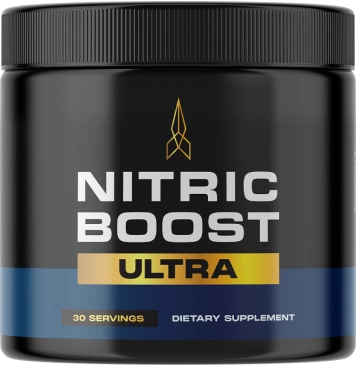
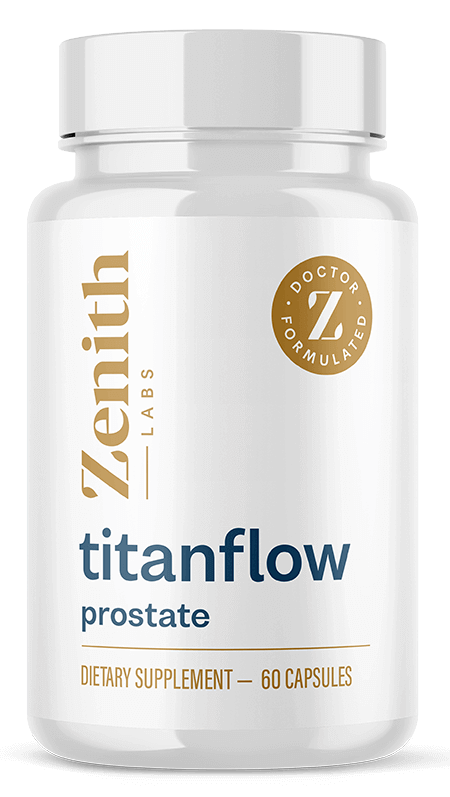

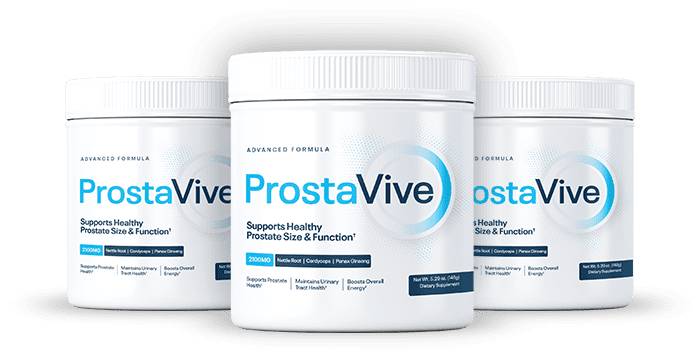
Best-supported questionWhich ingredient and extract was actually studied?
Evidence variesSaw palmetto is not one uniform preparation
Safety firstUrinary symptoms have multiple possible causes
Commercial bridgeProduct reviews should link back to ingredient evidence
Prostate-support evidence pathway: symptom relief, prostate size and prevention are different claims
Prostate-support research often measures urinary symptoms rather than long-term disease prevention. That distinction matters because an improvement in symptom scores should not be converted into a broader claim that a supplement prevents prostate disease or shrinks the prostate.
| Outcome | What evidence may address | What should not be inferred automatically |
|---|---|---|
| Lower-urinary-tract symptoms | Changes in symptom scores or related patient-reported outcomes. | That the prostate itself has become smaller. |
| Urinary flow | Objective or semi-objective flow measurements in a defined population. | That the ingredient prevents progression of prostate disease. |
| Prostate size | Imaging or measured volume when specifically studied. | That symptom improvement necessarily reflects a size change. |
| Disease prevention | Would require a different evidence base and longer-term clinical outcomes. | Short supplement trials should not be used to make prevention claims. |
Interpretation: match the supplement claim to the actual endpoint studied before deciding how relevant the evidence is.
What “prostate health supplements” actually means
Prostate-support supplements are marketed to men who want help with urinary comfort, nighttime urination, flow, or general prostate wellness. The first evidence problem is that these are not interchangeable outcomes. Benign prostatic hyperplasia (BPH) is a noncancerous enlargement of the prostate, but urinary symptoms can also arise from bladder problems, infection, prostatitis, medicines, neurologic conditions or prostate cancer. NIDDK therefore recommends discussing urinary symptoms with a health professional rather than assuming the prostate is the cause.
For supplement research, the useful question is not “does a prostate supplement work?” but “which ingredient, extract, dose and outcome has actually been studied?” That distinction matters because the evidence ranges from relatively encouraging older trials to large negative trials and updated systematic reviews.
Ingredients with direct BPH or lower-urinary-tract research
Beta-sitosterol
A systematic review of four randomized trials involving 519 men found improvements in urinary symptom scores and urinary-flow measures compared with placebo. It did not show a reduction in prostate size, and the authors emphasized that the studies were short and used non-standardized preparations. This makes beta-sitosterol interesting for symptom-focused research, but not evidence that it shrinks the prostate or prevents BPH complications.
Pygeum africanum
Older randomized-trial evidence and a meta-analysis suggest that standardized pygeum preparations may improve some urinary symptoms and flow measures. NCCIH characterizes the evidence as limited because many trials were small, short and used varied preparations. That is an important qualification when evaluating modern formulas that contain unspecified amounts or different extracts.
Stinging nettle root
Urtica dioica root has been studied in men with BPH-associated lower urinary tract symptoms. A 620-participant randomized trial reported improvement in symptom score and urinary-flow measures versus placebo over six months, while more recent smaller research has also reported symptom-score changes. The evidence is still ingredient- and preparation-specific.
Saw palmetto
Saw palmetto is the best-known prostate supplement ingredient, but the evidence is mixed and strongly dependent on the preparation studied. A 2023 Cochrane review found little to no difference in urinary symptoms or quality of life for Serenoa repens overall. European guidance separately notes that extracts from the same plant are not necessarily equivalent and discusses hexane-extracted preparations as a distinct phytotherapy category. Consumers should therefore avoid treating “saw palmetto” as one uniform intervention.
Evidence map: what the main prostate-support ingredients actually show
| Ingredient | Evidence focus | Overall interpretation | Main limitation |
|---|---|---|---|
| Beta-sitosterol | Urinary symptoms and flow | Older randomized evidence shows a symptom/flow signal | Short studies; no evidence of prostate shrinkage |
| Pygeum | LUTS/BPH symptoms and flow | Possible modest benefit in older evidence | Small, short and heterogeneous trials |
| Stinging nettle root | Urinary symptoms | Limited positive trial evidence | Preparation-specific and smaller evidence base |
| Saw palmetto | LUTS/BPH symptoms | Overall evidence is inconsistent; average benefit is limited | Extract and preparation variability |
Ingredients often included without strong prostate-specific evidence
Zinc, vitamin D, selenium, lycopene, pumpkin seed, herbal mixtures and broader “male vitality” ingredients frequently appear in prostate formulas. Some are important nutrients or have plausible biological mechanisms, but plausibility is not the same as demonstrated improvement in BPH-related symptoms. NCCIH states that evidence is insufficient for lycopene for prevention or treatment of BPH. Nutrients can also create unnecessary overlap when users already take a multivitamin or other supplements.
How to compare a prostate formula
- Read the complete Supplement Facts panel rather than the front label.
- Look for disclosed amounts and standardized extracts where relevant.
- Separate symptom evidence from claims about prostate size, testosterone or sexual function.
- Check whether studies used the same form and dose as the product.
- Consider medication interactions and duplicate nutrient intake.
- Confirm whether urinary symptoms have been professionally assessed.
When supplements should not be the first step
NIDDK lists inability to urinate, blood in urine, fever with painful or urgent urination, and significant lower abdominal or urinary-tract pain as reasons to seek prompt medical care. Even less urgent symptoms deserve evaluation when persistent because BPH is not diagnosed from symptoms alone. Depending on the case, assessment may involve history, examination, urinalysis, PSA testing or other urologic testing.
Bottom line
The prostate-supplement category contains ingredients with different evidence profiles. Beta-sitosterol, pygeum and nettle have signals of benefit in older or limited trials; saw palmetto has a much larger evidence base but overall results are inconsistent, with high-quality reviews finding little or no average benefit for many preparations. The strongest buying framework is therefore evidence by ingredient and extract, not marketing by category.
Next-step navigation
Use the Evidence to Narrow the Decision
MPS keeps broad health research, ingredient interpretation and product-review content connected without treating sales claims as clinical findings.
Selected sources