
Evidence-based comparison
Best Prostate Supplements: Ranked by Evidence Quality, Not Hype
Instead of a fake star ranking, this guide compares evidence quality, extract transparency and safety relevance.
Save or follow this source
Add Male Performance Supplements to Google Preferred Sources or open this page in your preferred AI tool.
Evidence-ledNo fabricated ratingsSource-linked
Affiliate disclosure: this page may link to commercial products. MPS may receive compensation from qualifying purchases, but evidence conclusions are based on the cited research.
Evidence-led guide
Ranking without fake scores
The strongest list is a hierarchy of evidence and transparency, not a fabricated product score.
Published Products
Explore all current MPS evidence-led product reviews.

Ranking methodHuman evidence before marketing
Top evidence signalsBeta-sitosterol, nettle, pygeum
Saw palmettoPreparation matters
Product comparisonLabel transparency is essential
Best prostate supplement decision map: rank the evidence, not just the formula
A useful comparison should distinguish ingredient relevance from formulation quality and from finished-product proof. A formula can look strong on paper yet remain difficult to evaluate if doses, extract identities or safety information are unclear.
| Criterion | Stronger signal | Weaker signal |
|---|---|---|
| Ingredient evidence | Direct human evidence for prostate-related or urinary outcomes. | Broad male-health ingredients with little prostate-specific evidence. |
| Dose transparency | Individual amounts disclosed clearly enough to compare with research. | Opaque blends or incomplete quantitative labeling. |
| Extract identity | Preparation or standardization can be matched to the studied material. | Generic botanical names without enough detail for evidence matching. |
| Finished-product proof | Direct testing of the exact commercial formula. | Assuming ingredient-level evidence automatically validates the product. |
Interpretation: “best” should mean the product is easiest to evaluate against relevant evidence and safety criteria, not that it has the longest ingredient list.
How we define “best” for a prostate supplement
There is no defensible evidence-based ranking that can name one universal “best prostate supplement” for every man. The more useful approach is to compare ingredients by the quality and relevance of human research, then compare products by whether their labels disclose the forms and amounts needed to interpret that research. A product with more ingredients is not automatically better.
Comparison criterion 1: start with ingredients that have direct human evidence
A prostate-support formula is easier to justify when its core ingredients have human research tied to urinary symptoms or flow rather than only general nutrition or “male vitality” positioning. Beta-sitosterol, stinging nettle root and pygeum each have direct symptom-oriented research, although the studies have important age, preparation and duration limitations. Saw palmetto requires more caution because high-quality reviews find little to no average benefit across many preparations.
Comparison criterion 2: prefer disclosed individual amounts
A label that states the amount of each active ingredient allows the formula to be compared with the preparation and dose used in research. A proprietary blend can disclose total blend weight while hiding the amount of each ingredient, which makes evidence-based dose interpretation much harder. More ingredients do not compensate for missing dose information.
Comparison criterion 3: check extract identity and standardization
Botanical evidence often belongs to a particular extract, not to every powder or extract made from the same plant. A stronger commercial formula identifies the plant part, extract type and standardization where those details matter to the evidence. A weaker label may list only the plant name, leaving the buyer unable to determine whether the marketed ingredient resembles the preparation studied.
Comparison criterion 4: separate prostate evidence from broad male-health ingredients
Zinc, vitamin D, selenium, lycopene, pumpkin seed and broader vitality ingredients may have nutritional or other health relevance, but they should not automatically receive the same weight as ingredients with direct urinary-symptom research. The comparison should ask what each ingredient contributes to the prostate-specific decision rather than rewarding a longer Supplement Facts panel.
Comparison criterion 5: require interpretable safety information
A useful comparison includes relevant interaction warnings, duplicate nutrient exposure, medication considerations and the limits of self-management. A commercial ranking cannot diagnose BPH, and persistent or concerning urinary symptoms require clinical assessment regardless of which supplement appears strongest on paper.
Decision matrix: stronger versus weaker formula signals
| Comparison criterion | Stronger signal | Weaker signal |
|---|---|---|
| Ingredient evidence | Human research relevant to urinary symptoms or flow | Only generic “male vitality” positioning |
| Dose transparency | Individual active amounts disclosed | Proprietary blend total only |
| Extract identity | Plant part/extract/standardization identified where relevant | Plant name alone |
| Formula interpretation | Evidence can be mapped to stated form and amount | Long ingredient list without usable dosing context |
| Safety transparency | Relevant cautions and interactions are visible | Minimal safety information |
Where ProstaVive fits
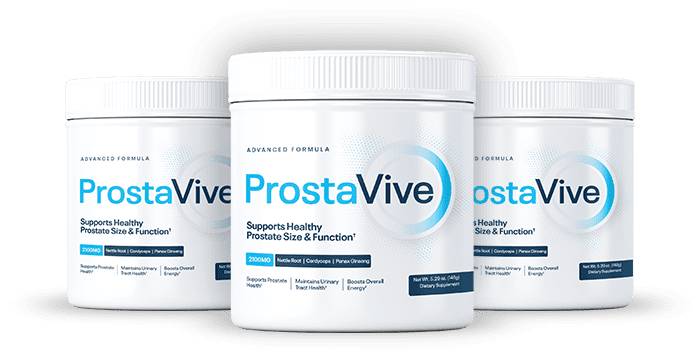
ProstaVive includes nettle root alongside several male-health ingredients. Its commercial appeal should be evaluated separately from its evidence. The MPS review therefore treats the finished product as a formula to assess, not as a clinical study. The dedicated ingredient page and “does it work?” page explain which parts of the formula have direct human evidence and which claims remain extrapolations.
Who should not rely on a supplement ranking
A ranking page cannot diagnose BPH. Urinary symptoms can reflect BPH, infection, prostatitis, bladder dysfunction or other conditions. NIDDK advises prompt medical attention for inability to urinate, blood in urine, fever with urinary symptoms, or significant pain. Persistent symptoms should be assessed even when they are less urgent.
Bottom line
The most evidence-aware shortlist begins with beta-sitosterol, nettle root and pygeum as ingredients with direct symptom-oriented research, while saw palmetto needs preparation-specific interpretation because average results across studies are inconsistent. The “best” commercial product is the one whose label, dose, safety profile and evidence fit can actually be evaluated—not the one with the longest ingredient list.
Next-step navigation
Use the Evidence to Narrow the Decision
MPS keeps broad health research, ingredient interpretation and product-review content connected without treating sales claims as clinical findings.