
Ingredient Guide
Proprietary Blends Explained: Why Hidden Doses Matter
A proprietary blend can be legally labeled while still making it difficult to judge whether the individual ingredients match the doses used in research.
Save or follow this source
Add Male Performance Supplements to Google Preferred Sources or open this page in your preferred AI tool.
Direct answer: FDA rules allow the total weight of a proprietary blend to be disclosed while individual quantities of certain ingredients inside the blend remain undisclosed. That does not make the blend illegal or ineffective, but it reduces dose transparency.
Learn how to read a Supplement Facts label
Published Products
Explore all current MPS evidence-led product reviews.

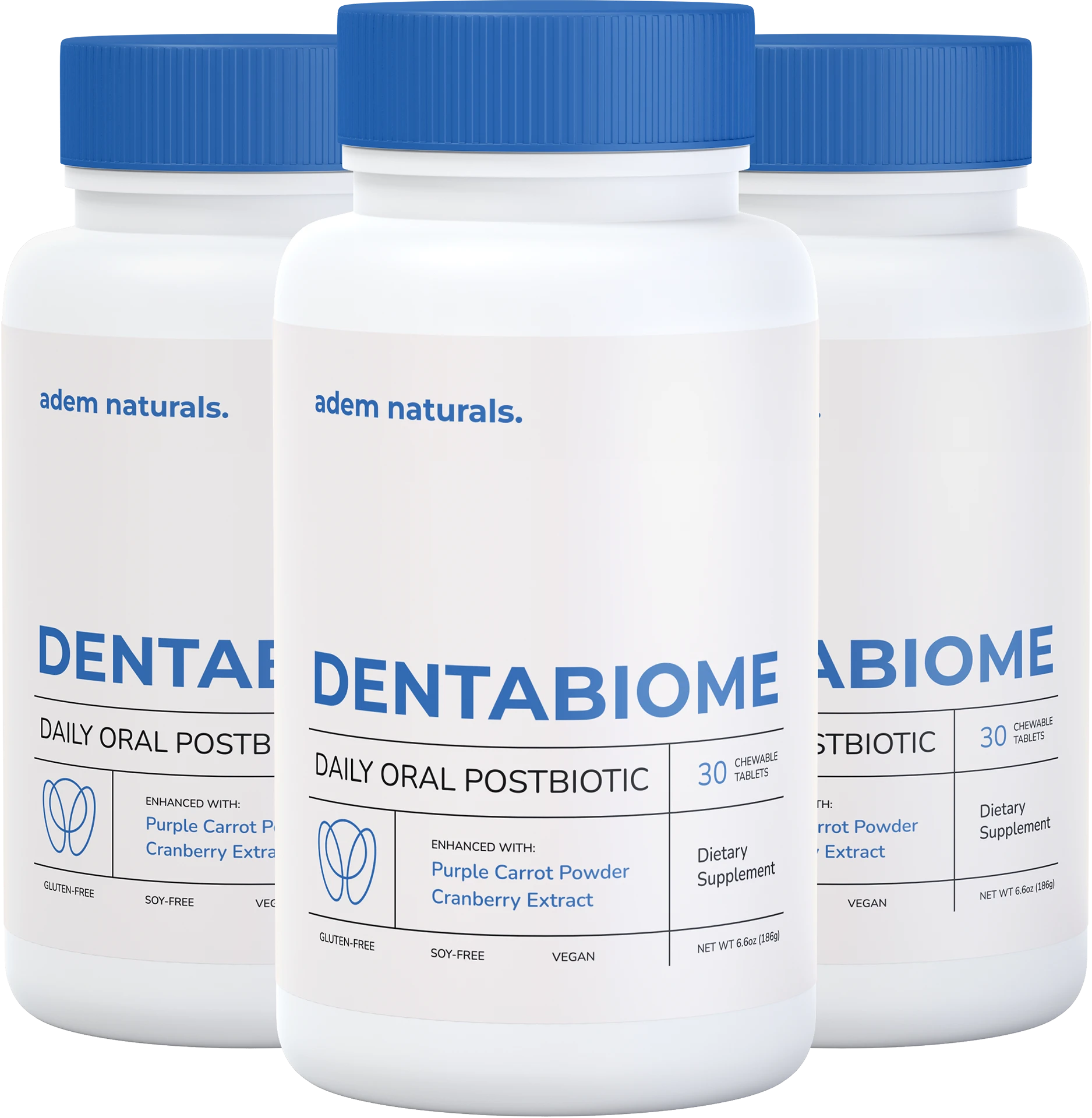
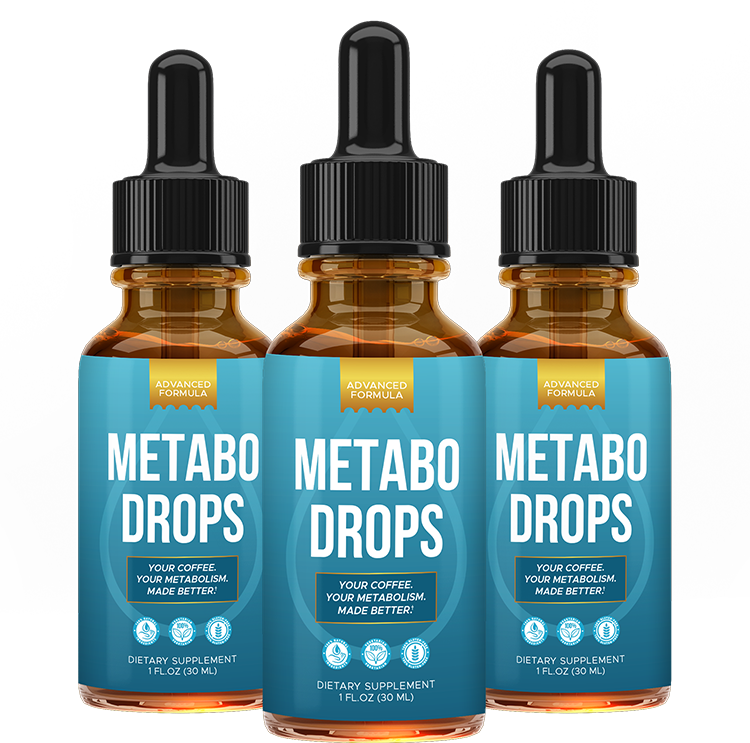
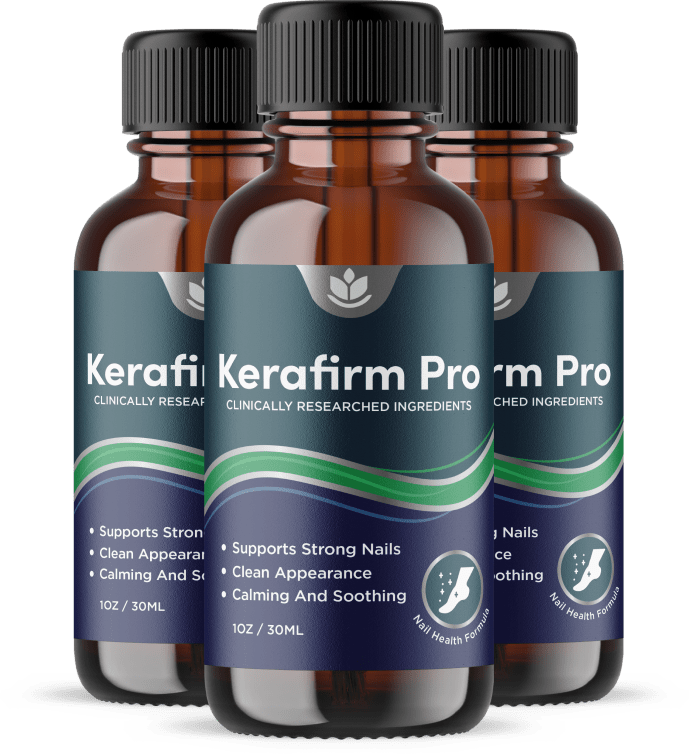
A proprietary blend can comply with FDA labeling rules without listing every individual ingredient amount.
The total blend weight is shown, and ingredients are generally listed in descending order by weight.
Without individual amounts, it may be impossible to know whether key ingredients resemble evidence-matched doses.
Transparency is not efficacy
A fully disclosed formula is easier to evaluate, but transparent dosing alone does not prove the product works.
Ingredient order has limits
Descending order can show relative predominance, but it cannot reveal the exact hidden amount of each ingredient.
What a proprietary blend is
A proprietary blend is a labeling format used for a mixture of dietary ingredients. Under FDA's supplement-labeling framework, the blend is identified by the term 'Proprietary Blend' or an appropriately descriptive or fanciful name. This is a permitted format; the existence of a proprietary blend does not by itself mean that a product is unlawful.
What FDA requires on the label
FDA's current labeling guide explains that the total weight of the 'other dietary ingredients' in the blend must be shown. Ingredients within the blend are listed beneath the blend name in descending order of predominance by weight. Dietary ingredients with established RDIs or DRVs are handled separately under the applicable rules. These requirements describe label disclosure, not product efficacy.
What ingredient order can tell you
Descending order by weight tells you which listed ingredient is present in a greater amount than the ingredients that follow it, subject to the labeling rules. It does not reveal the exact dose. If a five-ingredient blend weighs 1,000 mg, the first ingredient could account for most of that weight or only somewhat more than the second. Reverse-engineering precise doses from the list would therefore be speculation.
A proprietary blend is not automatically ineffective
Lack of dose transparency and lack of efficacy are different claims. A proprietary formula could theoretically contain useful amounts of several ingredients. The problem is that an external reviewer cannot confirm that from the label alone. Likewise, a fully transparent formula can disclose ineffective doses. Transparency improves evaluability; it does not guarantee a benefit.
A proprietary blend is not automatically unsafe
The same distinction applies to safety. Hidden individual amounts can make total exposure harder to assess, especially when a user takes several products, but the label format itself does not prove that the product is unsafe. Safety depends on the ingredients, amounts, interactions, product quality and user context.
How to compare a blend with a transparent formula
First compare the total serving size and total proprietary-blend weight. Then identify the ingredients most relevant to the advertised claim. Ask whether the product provides an individual amount for those ingredients or leaves them inside the blend. If the amount is hidden, compare the formula qualitatively rather than pretending it is evidence-matched. Transparent competitors are easier to evaluate when the underlying research depends on defined doses.
Why 'clinically studied ingredients' can still be misleading
A blend may contain ingredients that have appeared in clinical trials while the finished formula has never been tested and the individual amounts remain unknown. The technically accurate statement is that particular ingredients have research, not that the product necessarily reproduces the studied intervention. This distinction is especially important for testosterone-support and multi-ingredient performance products.
Proprietary blend evidence check: what can be verified before purchase?
A proprietary blend should be judged by what can actually be checked. A legally compliant label may still leave a reviewer unable to match individual ingredient amounts with the doses used in human research.
| Question | What the label may establish | What may remain unknown |
|---|---|---|
| Which ingredients are present? | The blend lists its included dietary ingredients. | The exact amount of each ingredient may not be disclosed. |
| How large is the blend? | The total blend weight provides a ceiling for all ingredients combined. | It does not reveal how that total is divided among the ingredients. |
| Can the formula be compared with research? | A reviewer can compare ingredient identity and the total blend size with published evidence. | Evidence-matched dosing may remain impossible to confirm for individual ingredients. |
| Does transparency prove efficacy? | Full disclosure makes evidence comparison easier. | Transparent dosing alone does not prove that the formula works. |
Interpretation: use proprietary-blend disclosure as a transparency signal, then evaluate ingredient evidence, safety and product-specific proof separately.
Practical pre-purchase questions
How much does the entire blend weigh? Which ingredients drive the main product claim? Are their individual amounts disclosed? Is the botanical form or standardization identified? Does the product rely on the evidence of one recognizable ingredient to support a much larger blend? Are overlapping ingredients present in other supplements being used? If the label cannot answer these questions, the uncertainty should be included in the buying decision.
Why blend size can create a simple plausibility check
The total blend weight can sometimes show that every marketed ingredient cannot be present at a large dose simultaneously. That observation can identify a transparency problem, but it still does not reveal which ingredient is under-dosed. Reviews should therefore avoid assigning guessed individual amounts even when the total blend appears small relative to several commonly studied doses.
Why front-label ingredient counts can be misleading
A long ingredient list can create the appearance of a comprehensive formula even when most of the blend weight is concentrated in the first few ingredients. Because exact amounts may be undisclosed, the number of ingredients should not be treated as a proxy for value. More ingredients can also increase interaction and tolerability complexity without increasing evidence strength.
What evidence-matched transparency looks like
The most evaluable product provides a clear serving size, identifies relevant ingredient forms or standardization, and discloses individual amounts that can be compared with human research. That still does not guarantee efficacy, but it allows the reviewer to explain why the formulation does or does not resemble the evidence instead of relying on brand claims.
Frequently asked questions
Are proprietary blends illegal?
No. FDA permits proprietary blends when the applicable labeling requirements are followed.
Does the label have to disclose the total blend weight?
Yes, for the relevant 'other dietary ingredients' in the proprietary blend.
Can I calculate exact ingredient doses from the ingredient order?
No. The order does not reveal exact individual amounts.
Does a transparent label prove a supplement works?
No. Transparency makes evidence comparison easier but does not establish efficacy.
Sources
Authoritative sources and operational records supporting the page.
Related research and policies
Product transparency
Use dose transparency as a product-comparison filter
Understanding proprietary blends explains why disclosed amounts matter. MenPS lets users continue from that evidence question into product discovery using transparency and other catalog attributes.